





Here at lifespan.io we are working to overcome age-related diseases such as Alzheimer’s, cancer, and heart disease, by raising funds and awareness for credible research that addresses the root causes of the aging process. By using the Tabs for Life Chrome extension you are helping to support our mission, as revenue from the banner ads on this page will support our 501(c)(3) charity organization LEAF. Please feel free to learn more by browsing this website, and see the latest scientific news on biotechnology aimed at extending healthy human lifespan below.
STAY INFORMED WITH TABS FOR LIFE

José Pedro Castro on Inflammation and Aging
For the last several years, Dr. José Pedro Castro, a Gladyshev Lab alumnus, who is now Assistant Researcher and Project Principal Investigator at the Institute for Research and Innovation
Short-Term Stresses May Undermine Clock Results
A team of researchers has concluded that while methylation-based epigenetic clocks generally give reliable outputs when given the same inputs, short-term biological fluctuations can drastically change their results. Technical
Montana’s Right-to-Try Law Enters a New Phase
Montana’s first experimental treatment review board has brought three longevity heavyweights into the state’s effort to expand access to experimental therapies. How much regulation is too much? Many people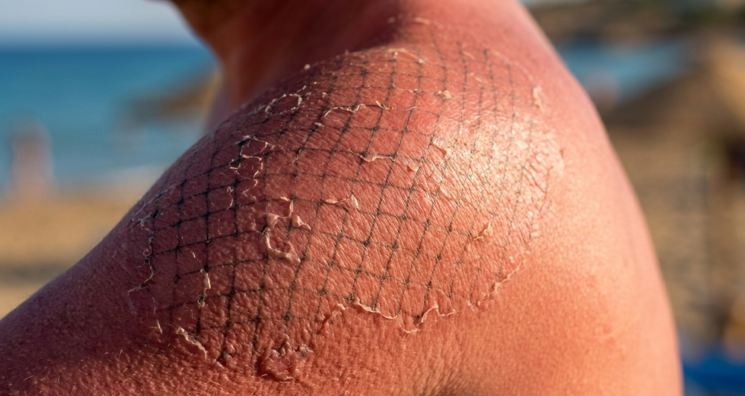
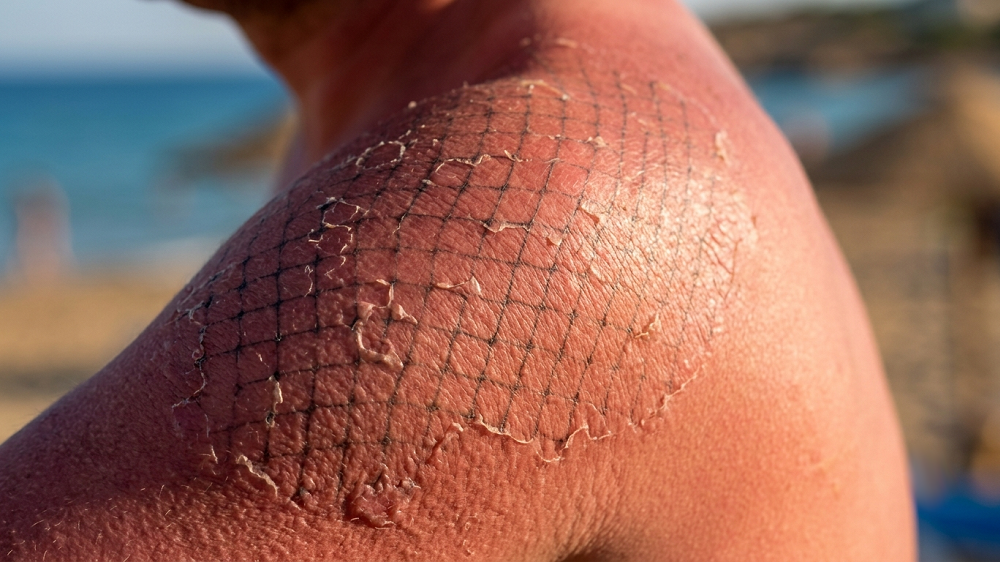
How the Immune System Makes Sun Damage Worse
In Aging Cell, researchers have published an explanation of how neutrophil extracellular traps (NETs) worsen UVB damage and how inhibiting them alleviated this damage in a mouse model. When
NYC Woman Dead After Receiving a “Longevity Infusion”
According to the experts that we spoke to, the death, which followed an intravenous NAD⁺ infusion that went catastrophically wrong, underscores the risks of unproven treatments and the need
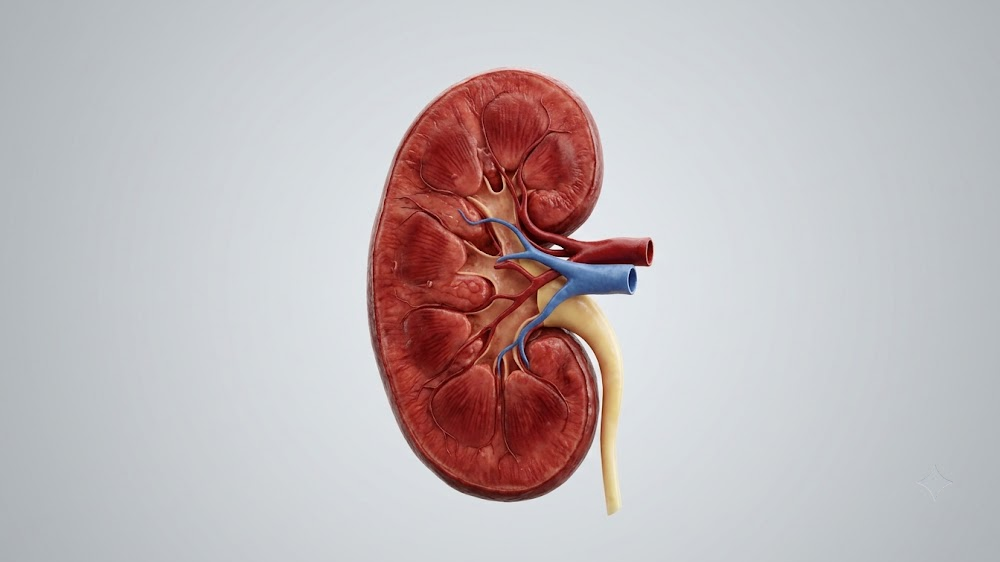
More Autophagy Reduces Toxin-Induced Kidney Failure in Mice
Autophagy, which increases in younger mice under toxic stress, does not increase in older mice and leaves them susceptible to acute kidney injury (AKI). Increasing autophagic flux by targeting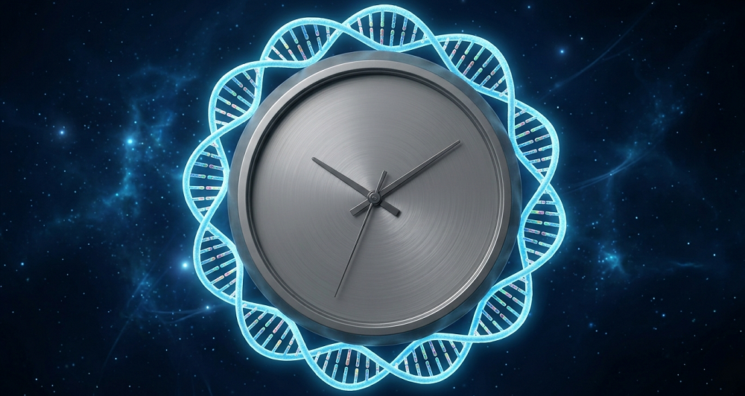
The Progress and Future of Biological Aging Clocks
A recent review discusses the development of biological aging clocks, their capabilities and limitations, the discoveries they enabled, and possible future developments in this area [1]. How do we
Regular Training Erases Parts of Muscle Aging Signature
A new study suggests that regular planned exercise, not just being generally active, protects against certain aspects of muscle aging [1]. Are trained muscles younger? With age, skeletal muscles
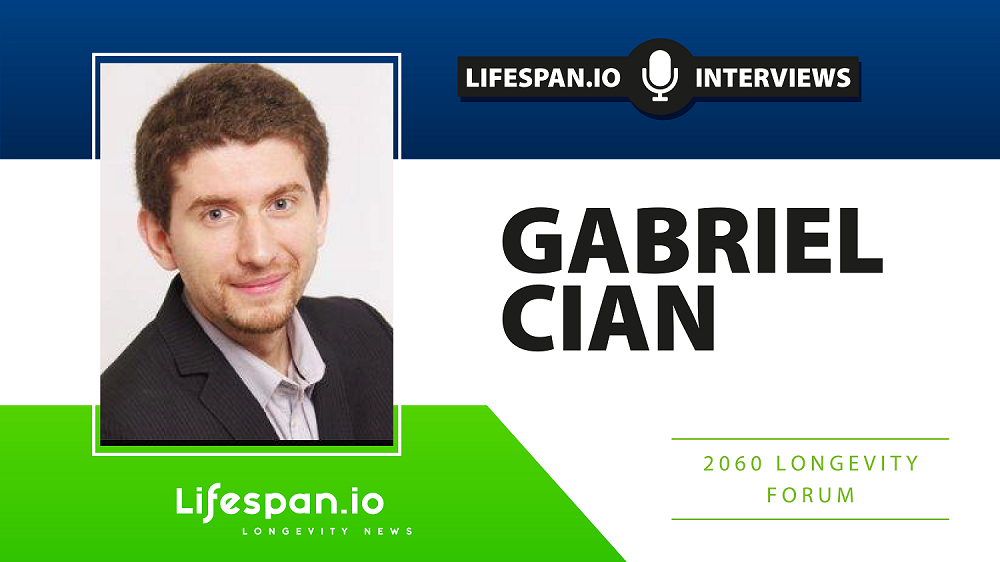
Gabriel Cian on Building the 2060 Longevity Ecosystem
In this follow-up interview, we speak with Gabriel Cian about how the 2060 ecosystem has evolved since last year’s Forum, what he learned from the first edition, and how
Exosomes From Stem Cells Fight Liver Disease in Mice
Researchers have described a method of using exosomes derived from mesenchymal stem cells (MSCs) to fight harmful metabolic changes in the liver. Another look at exosomes This is far
Engineered Enzyme Reverses Age-Related Protein Damage
Scientists have engineered an enzyme that removes an advanced glycation end product (AGE) from proteins. This type of age-related modification, which affects protein function and can trigger inflammation, has
Activating a Key Receptor Fights Thymic Involution in Mice
Publishing in Aging Cell, researchers have devised a way to delay the aging of the thymus by targeting GPR40, a key receptor in its epithelial cells. The organ that
Forever Healthy Launches Evipedia AI Integration
Today, Forever Healthy announces the launch of a set of new tools to make it easier than ever for AI agents, research pipelines, and AI environments to integrate Evipedia.
Peripheral Inflammation May Drive Parkinson’s
A new study suggests that aging or Parkinson’s-triggering mutations create inflammation in peripheral tissues, and then circulating extracellular vesicles spread it to the brain, which might contribute to the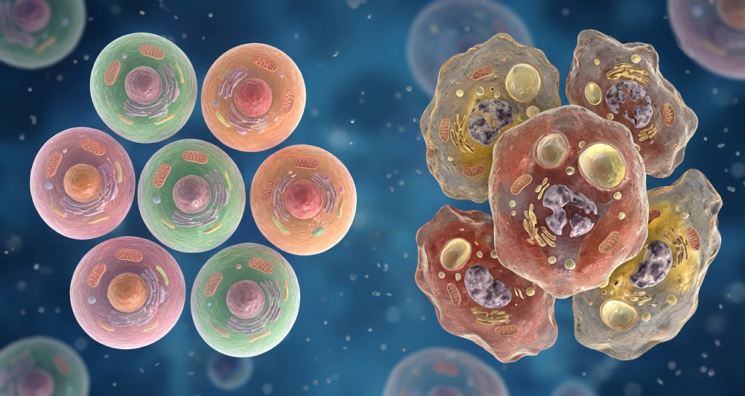
Combining Senolytics and Stem Cells Shows Promise in Mice
A new study associated with Immorta Bio suggests that combining a senolytic vaccine with mesenchymal stem cells might create a synergistic impact. However, the findings rest on acute, artificially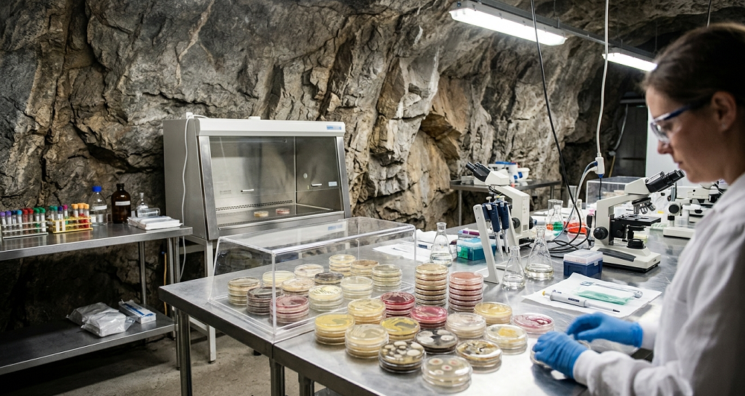
An Experimental Proposal for Blocking Ambient Radiation
A perspective published in Aging and Disease has recommended the use of underground laboratory space in order to remove the effects of surface radiation on biological clocks. A question
Optimizing Guidelines Toward Optimal Health Outcomes
In a recently published perspective paper, the author argues that the UK’s official health guidelines on physical activity and protein intake should be revised to recommend levels necessary to
Rescuing Calcium Ion Homeostasis Extends Mouse Lifespan
Scientists have linked disrupted Ca²⁺ homeostasis to aging in both progeroid and naturally aging mice. Rescuing it with a well-known antidepressant significantly increased the animals’ median and maximum lifespan
How Muscle Loss and Bone Loss Are Related
Researchers have elucidated some of the links between the age-related loss of muscle (sarcopenia) and the age-related loss of bone (osteoporosis). Related in multiple ways Substantial previous research has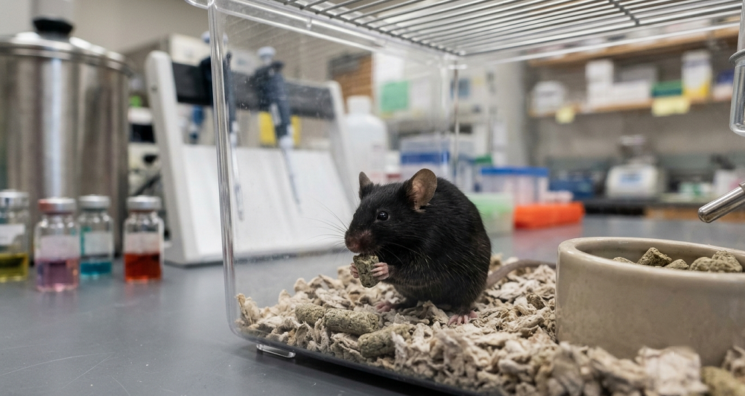
Intermittent Fasting Increases Lifespan in Male Mice
Restricting food access to an 8-hour window increased median lifespan in male mice by 12%. However, that might be due to voluntary caloric restriction induced by the regimen [1].
Rejuvenation Roundup June 2026
Doing something about aging seems to require action at the most basic genomic level. Here’s what’s been done there and in other areas in June. Interviews The Thalion Initiative:
Study Maps Existing Drugs to the Hallmarks of Aging
A new study suggests a way to predict whether existing drugs can extend human lifespan. This method uses a network approach that detects longevity signals in protein interactions [1].
How a Primate-Specific RNA Strand Worsens Senescence
Researchers have discovered a primate-specific piece of non-coding RNA that is linked to aging and makes senescence worse. The packing matters While non-coding RNA strands (ncRNAs) do not themselves
Cell Type-Specific Aging Predicts Disease Onset
A new study has used aging trajectories of various cell types to predict diseases such as Alzheimer’s and lung cancer [1]. This expands on previous research into organ-specific aging.
Upregulating a Key Cartilage Factor Leads to Osteoarthritis
Researchers have found that sustained expression of excess hypoxia-inducible factor (HIF)-1α leads to unwanted formation of blood vessels (angiogenesis) that destroys cartilage and causes osteoarthritis. A necessary but destructive
NeuroAge Therapeutics Launches Younger 2027
NeuroAge Therapeutics announced Younger 2027, a six-month biological aging contest in which competitors are measured on a clinical-grade aging panel and retested six months later. Baseline testing kits begin
Glycosylation’s Role in Alzheimer’s Disease
A recent study suggests that hyperglycosylation in brain tissue can be a hallmark of Alzheimer’s disease [1]. Lesser-known Alzheimer’s molecular features Pathological deposits of amyloid-β plaques and tau tangles
Biological Aging May Be Driving Increased Early-Onset Cancer
A new study links accelerated aging to early-onset solid cancers, while showing that this gap is becoming wider with each new generation [1]. Why do more young people get
A Transcriptional Failure Leads to Systemic Inflammation
Researchers have found that bound pieces of RNA and DNA in the cytoplasm of senescent cells encourage these cells to secrete inflammatory factors. When transcription gets sticky As part
Epigenetic Drug Targets Fat, Improving Blood Vessel Health
Scientists have targeted the thin fat layer around blood vessels with a transcription inhibitor, reducing symptoms of cardiometabolic disease [1]. When vessels can’t “just relax” Cardiometabolic disease (CMD) –