
July 09, 2026
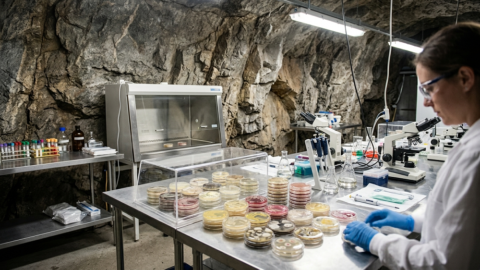
A perspective published in Aging and Disease has recommended the use of underground laboratory space in order to remove the effects of surface radiation on biological clocks. A question of entropy The cascading failure of bodily systems, leading to the loss of organ function, sits downstream of fundamental damage to genomics and epigenomics. However, how...

April 20, 2026
A paper in Cell Genomics has described how age-related systemic inflammation (inflammaging) is related to epigenetic aging as measured by four established clocks. Tying together two well-known aspects of aging Chronic InflammationChronic inflammation refers to a persistent, low-grade buzz of immune activity that settles into the body without the drama of an infection or obvious...

March 23, 2026
Imagine this pitch: a simple cheek swab or blood spot mailed from home tells you not your birthday but your “true” biological age - the number that supposedly reflects your real health trajectory. Patients increasingly walk into clinics clutching these reports, convinced they’ve discovered the secret to their future. It’s an appealing idea. Aging is...
February 26, 2026
Researchers publishing in the Nature journal Cell Discovery have described how the age-related attenuation of a key metabolic axis causes human adipose-derived stem cells (hASCs) to lose functional capabilities. Pinpointing the loss of function This paper begins by highlighting a core problem of using self-derived (autologous) stem cells for treatments in older people: the cells...
October 13, 2025
In Aging Cell, researchers have described core genes that apply to a wide variety of species and appear to be causal drivers of aging. Looking for signals in the noise Introducing their study, the researchers note that gene expression changes are difficult to interpret because they occur across a panoply of genes and the strongest...
August 28, 2025
In Aging Cell, researchers have reported that chromatin demethylation allows SASP compounds to be more easily expressed. Chromatin and gene expression Cellular SenescenceAs your body ages, more of your cells become senescent. Senescent cells do not divide or support the tissues of which they are part; instead, they emit potentially harmful chemical signals, collectively known...