

Related Organizations
Articles from this author
October 27, 2026
One of the oldest and biggest longevity conferences moved this year across the Atlantic, from Copenhagen to Boston. The new location brought ARDD close to several important longevity hubs and might have contributed to this edition’s practical, entrepreneurial, and forward-oriented spirit. We have already reported on the unprecedented panel where FDA named longevity a priority....

October 23, 2026
Laura Minquini is not a scientist, but that hasn’t stopped her from joining the front lines of the war on aging: specifically, female reproductive aging. Several years ago, after a successful stint in consumer technology, Laura discovered the longevity field when decentralized science was all the rage. Inspired by VitaDAO’s success, she founded AthenaDAO, a...

October 20, 2026
A new study suggests that CT scans can provide information about a wide range of conditions, including some not typically diagnosed through imaging. Direct comparison with human radiologists is the next step [1]. Getting more from a scan A CT scan’s goal is usually to answer a concrete clinical question, such as what is causing...
October 16, 2026
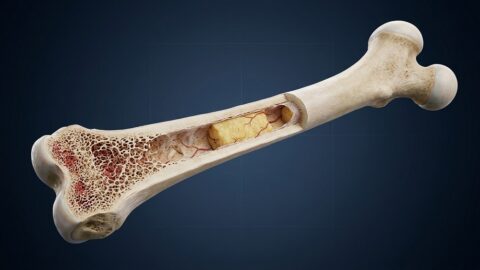
A new study links STING-mediated signals from marrow fat cells to inflammation and declining NAD⁺ levels in bone-forming cells. Interrupting this pathway helped preserve aging bone [1]. Making old bones Our bones live a complex life, as they are constantly remodeled: cells called osteoclasts break down existing bone, while osteoblasts build new bone. Osteoblasts arise...

October 13, 2026
A human trial found that even without caloric restriction, a low-fat, plant-based diet improved blood sugar control, reduced liver fat, and lowered the quantity of advanced glycation end products (AGEs) in the skin [1]. An all-you-can-eat vegan buffet Type 2 diabetes is an age-related metabolic disorder in which the body becomes less able to regulate...
October 09, 2026
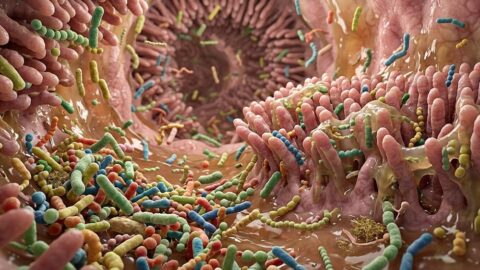
A new study highlights a fatty acid produced by a particular genus of bacteria as a “natural statin,” suggesting a new way of treating atherosclerosis [1]. Bacteria and cholesterol Atherosclerosis develops when cholesterol-rich particles accumulate in arterial walls, driving inflammation and plaque buildup. The liver helps mitigate this process by removing low-density lipoprotein (LDL), which...