



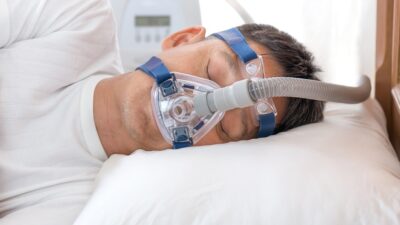
How Sleep Apnea Accelerates Biological Aging
Alarmingly common yet routinely ignored, severe untreated obstructive sleep apnea can steal 7 to 8 years of life, second only to cigarette smoking (~10 years lost) and far exceeding the
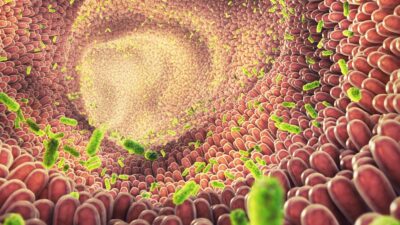
Dysbiosis
Humans have 23,000 genes that control the basic functions of our cells. These genes manage everything from heartbeats to hormone levels. However, there is another collection of genes all over

Chronic Inflammation
Chronic inflammation refers to a persistent, low-grade buzz of immune activity that settles into the body without the drama of an infection or obvious injury. In the world of aging,
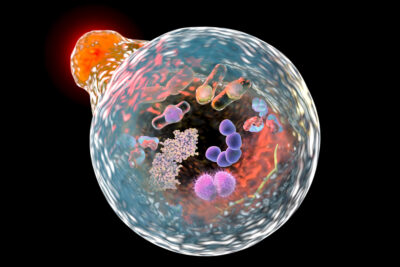
Disabled Macroautophagy
Every human cell can be seen as a tightly run metropolis. To keep things humming, it relies on macroautophagy, a process akin to a high-tech recycling system [1]. Here’s how

Cellular Senescence
Cells, the building blocks of life, meet a variety of fates. Some succumb to necrosis, a chaotic and uncontrolled structural collapse that spills cellular contents and is usually caused by

Menopause: Causes and Health Consequences
Menopause is associated with the cessation of the female reproductive span. While this is true, it has far more consequences for the female body. The hormonal changes accompanying menopause are
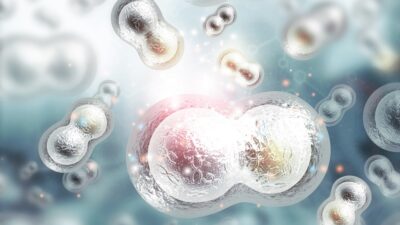
Stem Cell Exhaustion
Today we will take a look at one of the reasons we are thought to age: Stem Cell Exhaustion. What do stem cells do? Stem cells are essential for maintaining
The Reasons We Age And The Hallmarks of Aging
Normal metabolism is an intricate network of biochemical processes, and the byproducts of these processes chronically damage our cells and essential biomolecules. Biological aging results from the accumulation of this
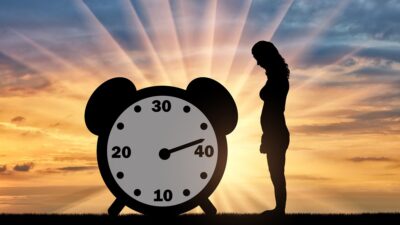
Female Reproductive Aging
In recent years, female reproductive aging has gained much attention due to the increase in women who delay childbearing beyond the age of 35 [1]. At that age, female fertility
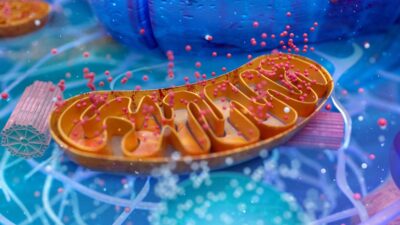
Mitochondrial Dysfunction
Mitochondrial dysfunction is one of the major components of aging as described in the Hallmarks of Aging [1]. As they age, mitochondria lose their ability to provide cellular energy, and
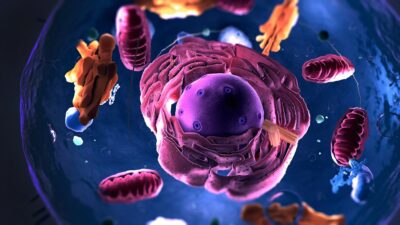
Deregulated Nutrient Sensing
Aging is a combination of complex processes influenced by various biological pathways, one of which is the regulation of nutrient sensing. The “Hallmarks of Aging” framework identifies deregulated nutrient sensing
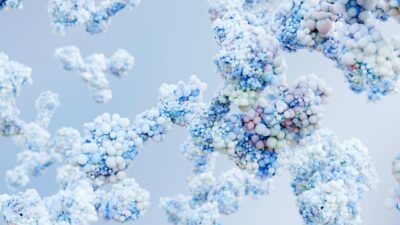
Loss of Proteostasis
A member of the Hallmarks of Aging [1], the loss of proteostasis is a crucial factor underlying many of the pathological manifestations of aging, particularly neurodegenerative diseases [2]. Recent research
Epigenetic Alterations
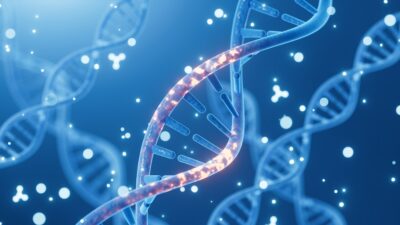
Think of DNA as the master recipe book for your body, with every cell containing a nucleus also containing a copy of this book. Interestingly, not all cells use every
Telomere Attrition
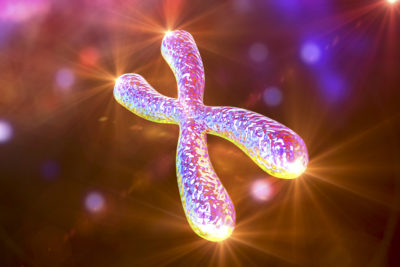
Today we will review one of the reasons we are thought to age: Telomere attrition. Telomeres are an often misunderstood topic but do seem to play an important role in

Genomic Instability
In this article, we explore DNA damage, its consequences, and how researchers are developing potential ways to repair it. What is genomic instability? Genomic instability is caused by DNA damage
How Sleep Apnea Accelerates Biological Aging
Alarmingly common yet routinely ignored, severe untreated obstructive sleep apnea can steal 7 to 8 years of life, second only to cigarette smoking (~10 years lost) and far exceeding the losses linked to lifelong physical inactivity (~3 years) or persistently high mid-life cholesterol (~1 to 2
Dysbiosis
Humans have 23,000 genes that control the basic functions of our cells. These genes manage everything from heartbeats to hormone levels. However, there is another collection of genes all over and inside our bodies. These genes number around 3 million strong, but they are not us.
Chronic Inflammation
Chronic inflammation refers to a persistent, low-grade buzz of immune activity that settles into the body without the drama of an infection or obvious injury. In the world of aging, this slow, smoldering fire is often called inflammaging, a term coined by Claudio Franceschi to capture
Disabled Macroautophagy
Every human cell can be seen as a tightly run metropolis. To keep things humming, it relies on macroautophagy, a process akin to a high-tech recycling system [1]. Here’s how it works: damaged proteins and organelles are wrapped in a double-membraned autophagosome structure. These sacs then
Cellular Senescence
Cells, the building blocks of life, meet a variety of fates. Some succumb to necrosis, a chaotic and uncontrolled structural collapse that spills cellular contents and is usually caused by traumatic injury. Others follow the path of apoptosis, a more orderly, self-imposed demise. Imagine a cell
Menopause: Causes and Health Consequences
Menopause is associated with the cessation of the female reproductive span. While this is true, it has far more consequences for the female body. The hormonal changes accompanying menopause are associated with declines in cognition, cardiovascular health, and other aspects of life. Definitions The World Health
Stem Cell Exhaustion
Today we will take a look at one of the reasons we are thought to age: Stem Cell Exhaustion. What do stem cells do? Stem cells are essential for maintaining the body’s ability to repair and regenerate tissues. These unique cells can divide and produce specialized
The Reasons We Age And The Hallmarks of Aging
Normal metabolism is an intricate network of biochemical processes, and the byproducts of these processes chronically damage our cells and essential biomolecules. Biological aging results from the accumulation of this cellular and molecular damage, which leads to the progressive loss of function and resilience in the
Female Reproductive Aging
In recent years, female reproductive aging has gained much attention due to the increase in women who delay childbearing beyond the age of 35 [1]. At that age, female fertility already starts to decline, and getting pregnant is difficult for many women and carries many risks.
Mitochondrial Dysfunction
Mitochondrial dysfunction is one of the major components of aging as described in the Hallmarks of Aging [1]. As they age, mitochondria lose their ability to provide cellular energy, and they release reactive oxygen species that harm cells. What are mitochondria? Mitochondria, which are often called
Deregulated Nutrient Sensing
Aging is a combination of complex processes influenced by various biological pathways, one of which is the regulation of nutrient sensing. The “Hallmarks of Aging” framework identifies deregulated nutrient sensing as a key contributor to aging [1]. Four primary nutrient-sensing pathways regulate metabolism and impact aging:
Loss of Proteostasis
A member of the Hallmarks of Aging [1], the loss of proteostasis is a crucial factor underlying many of the pathological manifestations of aging, particularly neurodegenerative diseases [2]. Recent research has shown that interventions to restore proteostasis, such as through pharmacological agents, genetic modifications, and lifestyle
Epigenetic Alterations
Think of DNA as the master recipe book for your body, with every cell containing a nucleus also containing a copy of this book. Interestingly, not all cells use every recipe and the same cell can change which recipes it follows over time. How is it
Telomere Attrition
Today we will review one of the reasons we are thought to age: Telomere attrition. Telomeres are an often misunderstood topic but do seem to play an important role in aging and age-related diseases. Telomere attrition is a double edged sword Human physiology contains numerous functional
Genomic Instability
In this article, we explore DNA damage, its consequences, and how researchers are developing potential ways to repair it. What is genomic instability? Genomic instability is caused by DNA damage that isn’t repaired, as explained in the Hallmarks of Aging [1]. Our cells rely on a