
September 15, 2026
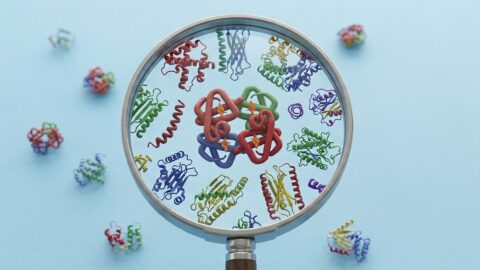
Researchers have established how a protein that is nearly absent in the literature, PTCHD4, is linked to cellular senescence. Very little previous work In most papers, after a customary discussion of the mechanics of cellular senescence and current methods of handling it and its repercussions, the researchers go on to discuss previous work relating to...
August 27, 2026
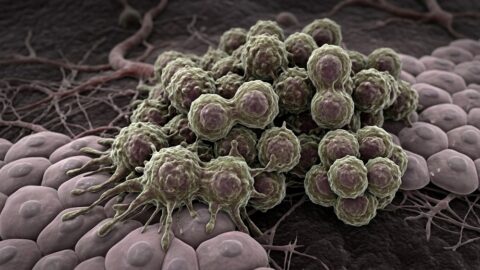
A recent study has examined whether senescence might allow cancer cells to survive oncogene withdrawal and become even more dangerous [1]. Some blocking techniques are temporary Many cancers depend heavily on a particular oncogenic signal to maintain their growth. Drugs that block these drivers can, therefore, produce dramatic tumor shrinkage. A major clinical problem, however,...
August 20, 2026
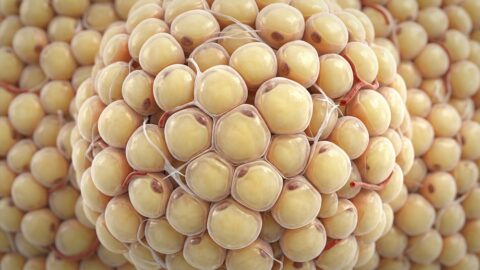
Using cohort studies and a mouse model, researchers have found that the circulating factor ANGPTL8, which is produced by senescent fat cells, is related to age-related diseases and mortality in mice and people. Too much of a regulator leads to dysregulation Chronic InflammationChronic inflammation refers to a persistent, low-grade buzz of immune activity that settles...
August 17, 2026
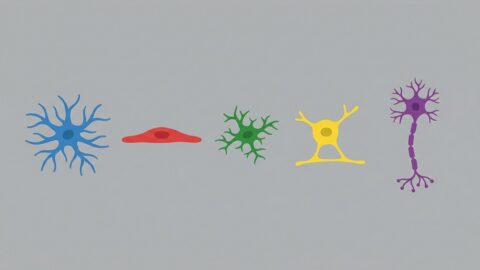
Researchers have gone into deep detail regarding how each of five senescent brain cell types expresses and receives factors that encourage other cells to become senescent. The contagion of age Cellular SenescenceAs your body ages, more of your cells become senescent. Senescent cells do not divide or support the tissues of which they are part;...
August 13, 2026
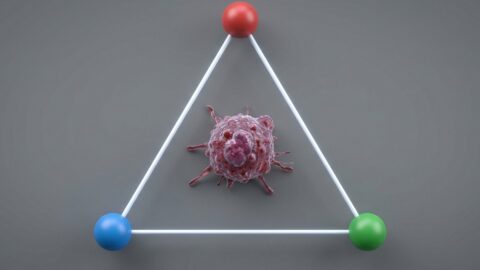
In Aging, the Conboys and their team have described how a combination treatment kills both senescent and cancer cells and lengthens the lives of old mice. Of senescence and cancer Cellular SenescenceAs your body ages, more of your cells become senescent. Senescent cells do not divide or support the tissues of which they are part;...
July 23, 2026
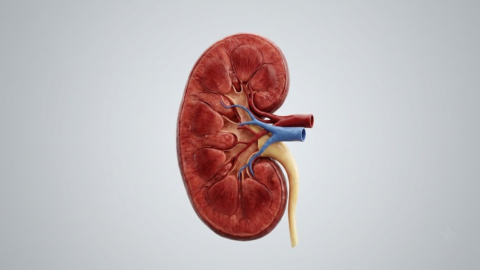
Autophagy, which increases in younger mice under toxic stress, does not increase in older mice and leaves them susceptible to acute kidney injury (AKI). Increasing autophagic flux by targeting a key molecule, transcription factor EB (TFEB), alleviates some of this damage. An acute disease with lasting effects AKI is a rapidly developing condition that causes...