

June 24, 2026
A recent study suggests that hyperglycosylation in brain tissue can be a hallmark of Alzheimer’s disease [1]. Lesser-known Alzheimer’s molecular features Pathological deposits of amyloid-β plaques and tau tangles in the brain are probably the most well-known features of Alzheimer’s disease. However, Alzheimer’s also involves various metabolism-related pathologies, such as alterations in glucose metabolism [2],...

June 05, 2026
According to a new study, a special protein disposal system, currently found only in neurons, is linked to central hallmarks of Alzheimer’s disease [1]. The membranal proteasome Loss of ProteostasisThe loss of proteostasis is the failure of the protein-building machinery of the cell and the accumulation of misfolded proteins, which is one of the root...

May 26, 2026
Scientists have uncovered an unexpected function of the tau protein, which is mostly known for its role in Alzheimer’s and related disorders: helping encode long-term memory. This can inform novel approaches that target tau [1]. In sickness and in health Tau is a protein found mainly in neurons, where its textbook job is to bind...

May 13, 2026
This month, a group of researchers published an annual report on the clinical trials that are testing drugs for Alzheimer’s disease. Overall, they reported an increase in the number of trials, with 158 drugs investigated across 192 trials [1]. A growing problem The projections regarding the prevalence of Alzheimer’s disease are merciless. While in 2017,...
April 10, 2026
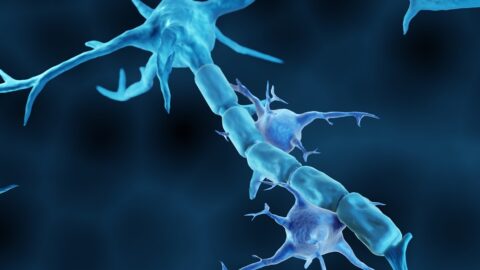
A new study shows that the overexpression of somatostatin (SST), a neuropeptide produced in neurons and acting mostly on microglia, lowers inflammation and amyloid β burden, improving cognitive abilities in a mouse model of Alzheimer’s. Drugs affecting this pathway are already available [1]. The unusual suspect In Alzheimer’s disease, many signaling pathways in the brain...
April 07, 2026
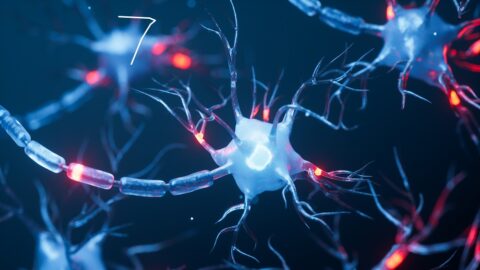
The pro-Alzheimer's allele APOE4 makes hippocampal neurons in mice smaller and hyperexcitable. This effect, which resembles epilepsy and accelerated aging, can be mitigated by manipulating a neuronal protein [1]. Before symptoms arise Alzheimer's disease begins long before symptoms appear, building silently for decades. The single strongest genetic risk factor for the common, late-onset form of...