
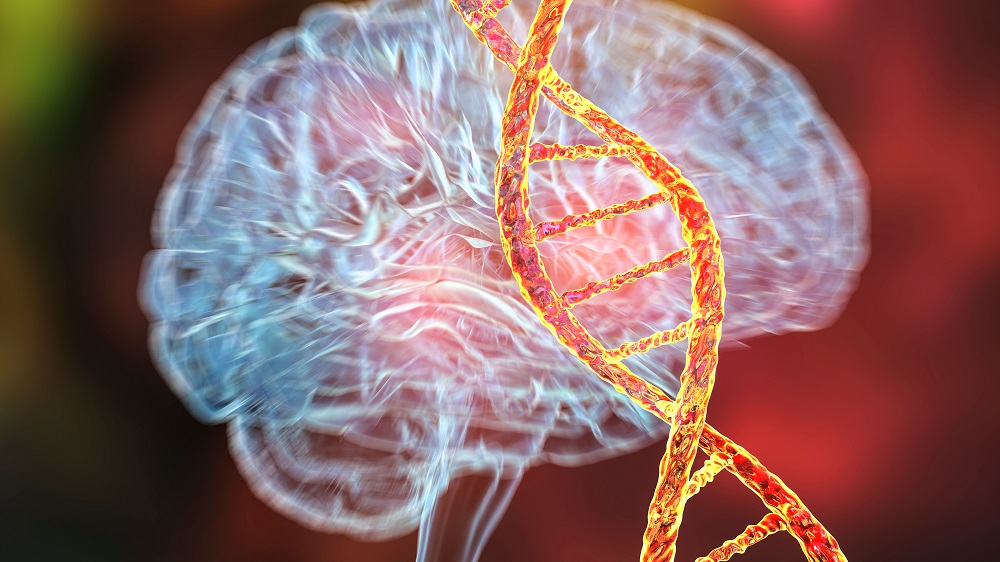
Researchers have developed a transcription-based clock that estimates brain age and used it to identify potential interventions against age-related neurodegeneration.
Deciding which -omic to use
While neurodegeneration and brain aging are not precisely the same [1], the two are tightly linked [2]. Substantial previous work has found that directly addressing brain aging in multiple forms, including the use of Yamanaka factors to facilitate epigenetic rejuvenation, leads to better outcomes in models [3]. However, finding the right approaches, particularly approaches that can be safely and effectively administered to human beings, has proven difficult.
These researchers note the distinctions between transcriptomic and proteomic approaches, which measure RNA and protein expression in a cell, to epigenetic approaches that measure DNA methylation. While they acknowledge that epigenetics are more stable and better for estimating age, this transcriptomic clock’s focus is on identifying changes in cellular function, which are directly altered by interventions and are far easier to interpret. Previously, this team created a similar clock for skin [4], but this is their first foray into creating something for the brain.
Large datasets for an accurate clock
To generate their clock, the researchers used bulk data from multiple major datasets, including an Alzheimer’s-related database, a tissue expression project, a study on traumatic brain injury and dementia, and a brain-specific gene expression study. In total, there were 778 unique people (all healthy, age range 20 to 97), 2,458 samples, and 43,840 transcriptional profiles of both neuronal progenitor cells (NPCs) and neurons. With this data, this team created a clock that uses the transcriptions of 365 genes to judge how well interventions might impact the brain.
Despite not being an epigenetic clock, it was found to be highly accurate for estimating chronological age. While their test set yielded an average error of 2.55 years, an external validation set found the average deviation to be approximately 6 years. Despite being based on bulk sequencing data, it was still found to be predictive of age when used on data derived from single-cell sequencing.
Of the 365 genes, 91 were found to be specific to brain processes. Synapse functionality was a common finding, but the strongest connection between aging and transcriptomics was found to be related to the development of the helper cells known as microglia. DNA processing was very commonly associated as well, and sterol metabolism was also noted. Interestingly, genes that had been specifically marked as relating to neuropathology had less representation than the researchers had expected.
There was, however, a significant link between neuropathology and transcriptomic brain aging. The researchers derived other samples from unhealthy donors and found that people with neurodegenerative disorders, such as Alzheimer’s and Parkinson’s, had older brains according to this clock, with extremely small p-values. There was also a highly significant correlation between disease severity and transcriptional age; people with more severe symptoms were likely to have even older brains.
Beneficial perturbations
These researchers then used both chemical and genetic perturbation datasets to identify how they impacted the transcriptome of their clock, finding 4,047 perturbations that affect neurons and 5,770 that affect NPCs. Of course, it is easier to cause accelerated aging than to rejuvenate, but the researchers found 971 perturbations that led to their clock signaling rejuvenation in NPCs and 68 in neurons.
Two of the strongest transcriptomic rejuvenators in NPCs were found to be BGT-226 and WYE-354, which inhibit mTOR and were tried but not approved as cancer drugs. Both of them have a similar mechanism of action as rapamycin and related drugs. Other rejuvenators include alvocivid, an approved leukemia drug; iloprost, an approved hypertension drug that has never been investigated for age-related benefits; and an entirely experimental compound, BRD-K48950795. In neurons, a variety of potential cancer drugs along with the approved cancer drug ponatinib were found to be rejuvenators.
Some of the beneficial perturbations were found to be directly related to known hallmarks of aging. For example, anti-inflammatory compounds were predicted to reduce transcriptomic age, and a compound that inhibits hypermethylation and thus slows epigenetic aging was also noted. A total of 23 of the identified compounds were found to extend lifespan in animal models of aging, and many of them were chemically similar to rapamycin.

Effects in mice
The researchers then selected a potentially therapeutic combination of three of these compounds: 5-azacytidine, a rejuvenating drug according to the DrugAge database; tranylcypromine, which is similar to rapamycin; and JNK-IN-5A, which influences epigenetics. Administering this combination to 18-month-old mice appeared to reduce their anxiety in an open field test, and there appeared to be a trend towards exploring a novel object.
This combination caused more profound changes at the transcriptomic level. Mice given this combination had gene expression that was more similar to that of younger animals, suggesting functional rejuvenation.
However, this combination has not been evaluated for human use, and it is unclear if stronger combinations can be found using this clock or other transcriptomic clocks. A more in-depth examination will have to be done to determine if this line of inquiry will result in the discovery of new drugs or the repurposing of existing ones to slow or reverse some aspects of brain aging.
Literature
[1] Nelson, P. T., Head, E., Schmitt, F. A., Davis, P. R., Neltner, J. H., Jicha, G. A., … & Scheff, S. W. (2011). Alzheimer’s disease is not “brain aging”: neuropathological, genetic, and epidemiological human studies. Acta neuropathologica, 121(5), 571-587.
[2] Podtelezhnikov, A. A., Tanis, K. Q., Nebozhyn, M., Ray, W. J., Stone, D. J., & Loboda, A. P. (2011). Molecular insights into the pathogenesis of Alzheimer’s disease and its relationship to normal aging. PloS one, 6(12), e29610.
[3] Shen, Y. R., Zaballa, S., Bech, X., Sancho-Balsells, A., Rodríguez-Navarro, I., Cifuentes-Díaz, C., … & Del Toro, D. (2024). Expansion of the neocortex and protection from neurodegeneration by in vivo transient reprogramming. Cell Stem Cell, 31(12), 1741-1759.
[4] Plesa, A. M., Jung, S., Wang, H. H., Omar, F., Shadpour, M., Buentello, D. C., … & Church, G. M. (2023). Transcriptomic reprogramming screen identifies SRSF1 as rejuvenation factor. bioRxiv, 2023-11.