The Blog

Building a Future Free of Age-Related Disease

Public Longevity Group

Lifespan Research Institute Launches Public Longevity Group

[Mountain View, September 17, 2025]Lifespan Research Institute (LRI) today announced the launch of the Public Longevity Group (PLG), a new initiative focused on bridging the cultural gap between scientific breakthroughs in aging and their public acceptance. To kickstart its work, PLG has opened a crowdfunding campaign to develop tools that measure and strengthen public trust in longevity science.

While the science of longevity biotechnology continues to advance, skepticism and cultural resistance limit progress, with some studies showing that more than half of Americans would reject a safe, proven therapy to extend life. This hesitation poses risks of raising costs, delaying health-promoting regulation, and slowing the delivery of treatments that could combat age-related diseases and extend healthy lifespan.

“The breakthrough that unlocks all other breakthroughs is public trust,” said Sho Joseph Ozaki Tan, Founder of PLG. “Without it, even the most promising therapies may never reach the people they’re meant to help. PLG exists to change that.”

“Persuasion is a science too,” said Keith Comito, CEO of Lifespan Research Institute. “To bring health-extending technologies to the public as quickly as possible, we must approach advocacy with the same rigor as our research. With PLG, we’ll be able to systematically measure and increase social receptivity, making the public’s appetite for credible longevity therapies unmistakable to policymakers, investors, and the public itself.”

PLG is developing the first data-driven cultural intelligence system for longevity—a platform designed to track real-time sentiment, test narratives, and identify which messages resonate and which backfire. Early tools include:

  • The Longevity Cultural Clock: a cultural barometer mapping readiness and resistance across demographics and regions.
  • Sentiment Dashboards: real-time monitoring of public, investor, and policymaker perceptions.
  • Narrative Testing Tools: data-driven analysis that will enable robust pathways to public support.

The crowdfunding campaign will provide the initial $100,000 needed to launch these tools, creating the cultural foundation required for healthier, longer lives.

With a lean, data-driven team, the group aims to provide open-access cultural insights for advocates and policymakers while offering advanced analytics to mission-aligned partners.

Campaign Timeline:

  • Campaign completion: November 2, 2025
  • Dashboard development: Dec 2025 – Feb 2026
  • First survey deployment: Feb – Apr 2026
  • Beta dashboard launch: May 2026
  • First public insight report: June 2026

Supporters can contribute directly at: https://lifespan.io/campaigns/public-longevity-group/

The PLG campaign is sponsored by the members of LRI’s Lifespan Alliance, a consortium of mission-aligned organizations that believe in the promise of extending healthy human lifespan. Newly-joined members include OpenCures, AgelessRx, and Lento Bio.

About Lifespan Research Institute

Lifespan Research Institute accelerates the science and systems needed for longer, healthier lives by uniting researchers, investors, and the public to drive lasting impact. LRI advances breakthrough science, builds high-impact ecosystems, and connects the global longevity community.

Media Contact:

Christie Sacco

Marketing Director

Lifespan Research Institute

christie.sacco@lifespan.io

(650) 336-1780

We would like to ask you a small favor. We are a non-profit foundation, and unlike some other organizations, we have no shareholders and no products to sell you. All our news and educational content is free for everyone to read, but it does mean that we rely on the help of people like you. Every contribution, no matter if it’s big or small, supports independent journalism and sustains our future.

Firing neurons

Inducing NREM-Like Neuronal Patterns Mimics Sleep Benefits

Scientists have “faked” sleep in mice by artificially creating the on/off neuronal firing pattern similar to that seen in non-REM sleep. This produced sleep-like effects, including improved learning memory [1].

Can sleep be emulated?

Getting proper amounts and quality of sleep is one of the best things for health and longevity [2], but in modern living, this is not always possible. Sleep deprivation has become a global health issue, and scientists are trying to find ways to emulate sleep and its benefits.

The dominant sleep stage, non-REM (NREM) sleep, which makes up about 80%, is defined by a particular pattern of cortical activity in which neurons alternate between on periods (the whole local population fires together) and off periods (the population falls briefly silent). This slow-wave activity (SWA), concentrated mostly at the deep sleep stage, creates the synchronized waves seen on an EEG. A commonly used readout of “sleep pressure,” it spikes after sleep deprivation and decays as you sleep.

The authors of a new study from University of Wisconsin-Madison, published in Nature Neuroscience, have previously proposed the synaptic homeostasis hypothesis: the idea that being awake and learning strengthens cortical synapses, and sleep’s core job is to renormalize (globally weaken) those synapses, preventing saturation, restoring learning capacity, and consolidating memory [3].

A long-standing question within this framework is whether the on/off pattern is merely a symptom or is itself the mechanism that does the renormalizing. If it’s the latter, then sleep benefits might be recapitulated by artificially inducing SWA. In this new study, the team tested their idea by “faking” sleep in mice. Nature itself offers proofs of concept: in dolphins, fur seals, and some birds, one hemisphere sleeps at a time while the other stays wide awake.

Brain on, brain off

Mice were implanted with two recording probes at mirror-image locations in the two hemispheres. One probe carried an optic fiber, so its local network could be manipulated optogenetically. This means that a light-sensitive protein (an opsin, in this case) has been genetically installed in a specific population of neurons, allowing the researchers to impose a chosen activity pattern on it with millisecond timing. The other rode served as the within-animal “contralateral control.”

The researchers used two mouse models to induce off periods, thus creating the on/off pattern (the neurons themselves do the “on” part). In one model (SOM+ mice), the brain’s own off-switch is triggered, which then inhibits surrounding neurons. In the other (ACR mice), the light triggers the excitatory neurons (the brain’s main “chatters”) directly. The two models produce different SWA patterns but showed similar results across the experiments.

In the first experiment, the mice were sleep-deprived for five hours. During the last 30 minutes of sleep deprivation, light pulses induced NREM-like off periods on the optogenetic rode (optrode) side. During the induction, SWA on the stimulated side rose to NREM-like levels. Then, in the first hour of the actual NREM sleep that followed, SWA was reduced on the optrode side relative to its mirror, showing decreased “sleep pressure,” as if optogenetic stimulation diminished the need for sleep.

“What we’re essentially doing is forcing sleep in a local region of the brain. While that part is solidifying memories and restoring learning capacity, other parts stay aware/vigilant and connected to the environment,” said corresponding author Chiara Cirelli, M.D., Ph.D., a professor of psychiatry at the University of Wisconsin-Madison.

The researchers then tried something different: they lowered the overall firing rate, but without creating the rhythmic on/off pattern. This produced no “less need for sleep” effect. Apparently, it is this NREM-like pattern – not a simple reduction in how much neurons fire – that lowers sleep pressure.

Soon after the induction, synaptic terminals from each hemisphere were probed for excitatory strength. It was lower on the optrode side, and the magnitude matched what 6–7 hours of natural sleep produces. Because no sleep followed the induction, the synaptic weakening could only have been caused by the induction itself, providing evidence that on/off activity leads to – not just accompanies – synaptic renormalization.

Let’s not sleep on it

Finally, the mice were given a floor-texture recognition task, a memory test known to depend on the sensorimotor cortex, which the researchers had stimulated. After learning, the animals were split into three groups: allowed to sleep, sleep-deprived for one hour (the amount of sleep deprivation previously shown to affect learning in mice), or sleep-deprived for one hour with concurrent bilateral off-period induction over the relevant cortical areas. Memory was tested 24 hours later.

Sleepers outperformed the sleep-deprived group, but the off-induction group was rescued back to the sleepers’ level. The amount of sleep a mouse got before the task did not predict performance, ruling out that confounding factor..

“This research further decodes why we sleep and how we learn, which brings us a step closer to understanding how to better prevent and treat cognitive decline,” said Amy Bany Adams, Ph.D., acting director of the NIH’s National Institute of Neurological Disorders and Stroke (NINDS).

We would like to ask you a small favor. We are a non-profit foundation, and unlike some other organizations, we have no shareholders and no products to sell you. All our news and educational content is free for everyone to read, but it does mean that we rely on the help of people like you. Every contribution, no matter if it’s big or small, supports independent journalism and sustains our future.


Literature

[1] Driessen, K., Squarcio, F., Tononi, G., & Cirelli, C. (2026). Induction of cortical ON/OFF periods in awake mice fulfills sleep functions. Nature Neuroscience, 1-12.

[2] Mazzotti, D. R., Guindalini, C., Moraes, W. A. D. S., Andersen, M. L., Cendoroglo, M. S., Ramos, L. R., & Tufik, S. (2014). Human longevity is associated with regular sleep patterns, maintenance of slow wave sleep, and favorable lipid profile. Frontiers in aging neuroscience, 6, 134.

[3] Cirelli, C., & Tononi, G. (2022, May). The why and how of sleep-dependent synaptic down-selection. In Seminars in cell & developmental biology (Vol. 125, pp. 91-100). Academic Press.

The Immune System Maintains the Microbiome

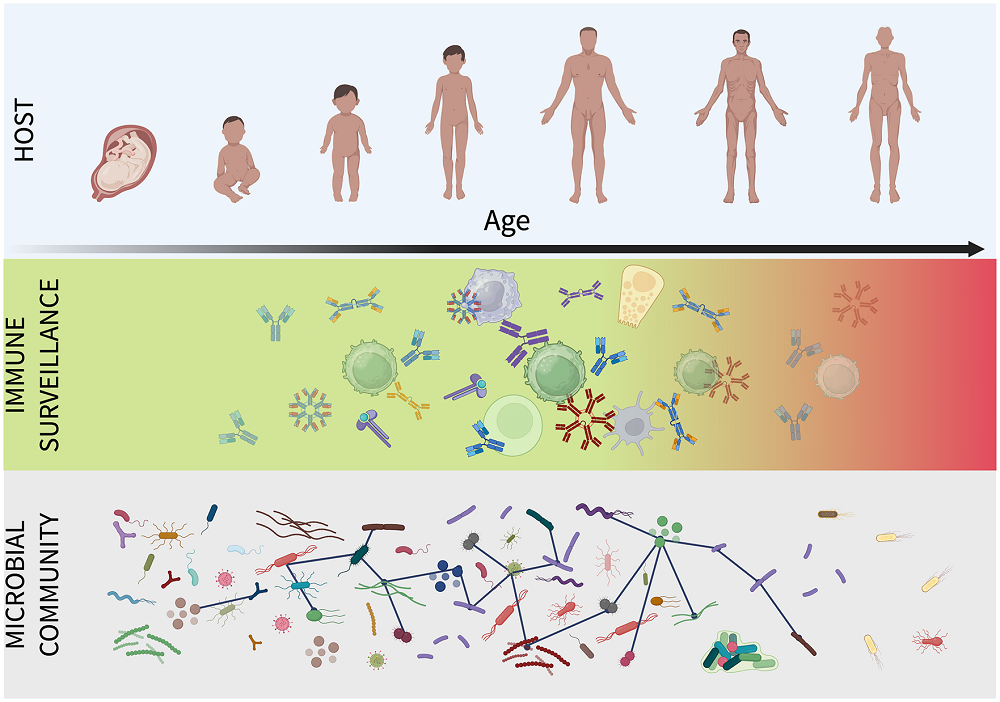
In a recent paper, researchers have proposed that the immune system and immune surveillance play a central role in maintaining microbial composition throughout life by suppressing microbial proliferation and that aging weakens these processes [1].

Lifelong companions

Aging leads to the deterioration of the organs and systems in the human body, while also altering the composition of our lifelong companions: microbes that live in and on the human body (the microbiota). Throughout life, these microbes play essential roles in the proper functioning of their hosts’ biology [2]; thus, unsurprisingly, alterations in their composition, known as dysbiosis, are associated with metabolic dysfunction and disease and can affect lifespan [2, 3].

The authors of a recent paper published in PLOS Biology as part of the “Unsolved Mystery” series delve into the drivers of aging-related dysbiosis.

Active control of the microbiome

Following the initial assembly of the adult microbial community and its stabilization, it is maintained faithfully through adulthood until it begins to deteriorate in old age. However, the mechanisms behind this maintenance and later deterioration have remained poorly understood.

Immunosurveillance 1

The authors of this paper propose that the process that keeps the microbial ecosystem on a “leash” is immune surveillance, which actively controls, rather than passively tolerates, microbial communities. They discuss how, as we age, this control is weakened by the decline in immune defenses (immunosenescence).

This concept is not new; it has been described in cancer biology, where it refers to the immune system’s continuous scanning of cells and tissues for aberrant cells that can be eliminated immediately before a tumor develops [4]. However, in the case of host-microbiota interactions, a modification to this idea is necessary, since applying this concept in the same way would imply that the gut is sterile (all bacteria would be killed by the immune system), which is not true. Therefore, these researchers propose that immune surveillance of the microbiome is based on activity rather than cell identity. That means the immune system primarily checks not whether the organism is a pathogen, but whether it is increasing in number.

They propose that the immune system’s response is activated by an increase in microbial load. When a bacterial subtype begins to proliferate and threatens to disproportionately dominate the ecosystem, resulting in the loss of the current balance and diversity of microbes, it triggers immune suppression mechanisms. The immune system’s suppression doesn’t eliminate the microbe but calibrates its numbers to maintain balance. In the authors’ model, when such a suppression rule is removed, one or two bacterial species begin to dominate the ecosystem, leading to a loss of diversity.

“We argue that the immune system does not primarily distinguish between ‘good’ and ‘bad’ microbes, but rather continuously monitors which organisms are beginning to dominate the community,” explained Prof. Dr. Dario Riccardo Valenzano, head of the Evolutionary Biology / Microbiome-Host Interactions in Aging research group at the Fritz Lipmann Institute. “This creates a dynamic equilibrium that ensures the long-term stability of the microbiome.”

A different point of view

The authors point out that their model shows microbiome diversity not as a fixed property but as a dynamic balance resulting from constant immune surveillance. This has implications for the age-related changes in microbiome composition. According to the authors, the observed changes to the microbial community result from immunosenescence.

As the aging immune system loses some of its functionality, the resulting changes often lead to constitutive, low-grade inflammation, known as ‘inflammaging,’ which reduces precision and responsiveness. Under this model, such reduced immune surveillance leads a failure to balance microbial species, so certain microbial subtypes, often pathogenic, divide more than others and dominate the community. However, further experimental testing is necessary to confirm this hypothesis.

This immune surveillance failure reveals an underlying weakness in the microbial ecosystem. Microbial diversity is beneficial for the host when surveillance works properly; a diverse microbial community ensures broad metabolic capacity for synthesizing vitamins, producing short-chain fatty acids, and other metabolites across a broad range of conditions and from various substrates. However, those benefits come with a price: the risk of harboring microbes that can become pathogenic under certain conditions, such as when immune surveillance is reduced.

“In our model, the immune system keeps the microbiome in balance by continuously limiting particularly dominant microorganisms,” explains Valenzano. “With age, this control function loses precision. As a result, more persistent bacteria can spread more widely and reduce the diversity of the community. Age-related dysbiosis would then not mean that the microbes turn against their host—rather, the host increasingly loses control over its microbial ecosystem. This is a hypothesis that research must now test.”

A different therapeutic approach

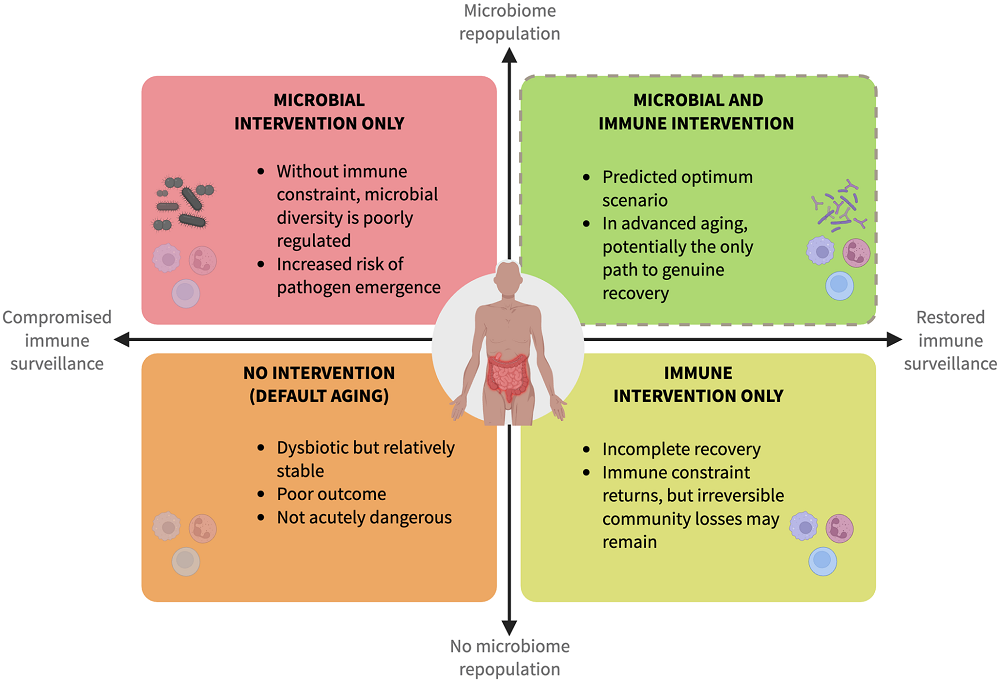
Overall, this framework changes a common interpretation of how aging impacts gut microbial composition. The authors suggest that the aging immune system and loss of immune surveillance might be the upstream processes that precede changes in microbial composition. Such a hypothesis has further implications. It suggests that aging-related changes in microbial composition are not passive but rather “a failure of active host-mediated control.” It also suggests a different view of interventions meant to restore microbial composition. Such interventions should include both restoration of immune system surveillance and microbiome management rather than isolated attempts to replenish beneficial microbes.

“The study points to a potentially important principle for future microbiome therapies: a stable and resilient gut ecosystem likely requires cooperation between microbial communities and the aging immune system. Understanding that interaction could help improve interventions aimed at promoting healthy aging,” explained Dr. Flávio Silva Costa, co-author of the study.

The authors also discussed several unresolved questions, such as which immune processes are most impactful in causing the decline in immune surveillance and whether there is a window of opportunity for intervention to restore immune surveillance and reverse or slow down microbial imbalance. They suggest that experiments in short-lived model organisms with defined microbiomes can help to answer some of those questions.

  Immunosurveillance 2
We would like to ask you a small favor. We are a non-profit foundation, and unlike some other organizations, we have no shareholders and no products to sell you. All our news and educational content is free for everyone to read, but it does mean that we rely on the help of people like you. Every contribution, no matter if it’s big or small, supports independent journalism and sustains our future.
Literature

[1] Liu, S., Costa, F. S., & Valenzano, D. R. (2026). Immune surveillance and microbial escape in the aging host: Why does the microbiome lose its balance?. PLoS biology, 24(5), e3003815.

[2] Popkes, M., & Valenzano, D. R. (2020). Microbiota-host interactions shape ageing dynamics. Philosophical transactions of the Royal Society of London. Series B, Biological sciences, 375(1808), 20190596.

[3] Tseng, C. H., & Wu, C. Y. (2025). From dysbiosis to longevity: a narrative review into the gut microbiome’s impact on aging. Journal of biomedical science, 32(1), 93.

[4] Dunn, G. P., Bruce, A. T., Ikeda, H., Old, L. J., & Schreiber, R. D. (2002). Cancer immunoediting: from immunosurveillance to tumor escape. Nature immunology, 3(11), 991–998.

Lungs affected

How Gut Bacteria Affect Lung Fibrosis

In Aging Cell, researchers have described how a strain of Lactobacillus gut bacteria sends chemical signals that enter the bloodstream and decrease fibrosis in the lungs.

The gut-lung axis

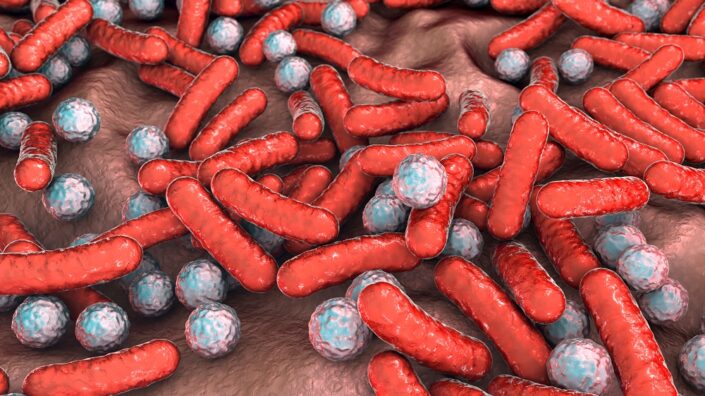
The gut-brain axis, the term for how the intestines and nervous system interact, is well-known to many longevity enthusiasts, and substantial previous research has explained its workings. There is a similar relationship between the gut and the lungs; gut metabolites have been found to directly impact lung diseases through inflammation [1]. Lactobacillus has been found to have benefits against multiple lung diseases [2], and one particular strain found in centenarians, L9, has been found to alleviate allergies in mice [3] by rebalancing immune responses [4].

This study, however, focuses on a different condition: pulmonary fibrosis. Fibrosis is fairly well-explained in the literature; it is caused by repeated injuries to lung tissue that overactivate the secretion of extracellular matrix (ECM) material by myofibroblasts [5]. This is tightly linked to the dysregulation of collagen synthesis and degradation, which is increased with aging [6].

Fighting against age-related collagen increases

In their first investigation, the researchers used bulk RNA sequencing data and physical samples to analyze the relationship between aging and pulmonary fibrosis. In older people, there was more collagen deposition and more protein markers of fibrosis, even though these were considered to be normal lung samples. This collagen had filled alveolar areas, with visual evidence of fibrosis. Genes related to the expression of ECM-related proteins were upregulated in the older group. Similar results were found in data from wild-type mice.

The researchers then utilized their own mice, which were aged from 15 months to 24 months. Normally, mice at 15 months have few markers of pulmonary fibrosis, but at 24 months, their lungs had become intensely fibrotic, first beginning at the lungs’ peripheral areas and continuing into the center.

In a group of mice that were given L9 between those ages, however, there were considerably fewer markers of fibrosis, with a total lung fibrosis score that was only 70% that of the control group. Collagen fibers were decreased by 40%. Collagen deposition in fibrosis is due to Col-I and Col-III proteins; the researchers found that while Col-III was unaffected by L9 introduction, Col-I was reduced by a a full 59%.

This was found to be due to a 61% reduction in the collagen precursor PINP, which was accompanied by a 27% to 37% reduction in the LOX cross-linking enzyme, depending on measurement type and location. This was entirely due to a reduction in collagen synthesis; degradation enzymes were not significantly affected.

A long causal chain of biochemistry

The researchers then took a closer look at PINP and other collagen precursors. Three enzymes involved in the collagen synthesis process, 5CS, PSAT-1, and PHGDH, and found that all three were not significantly affected by L9. Propeptides involved in collagen formation were similarly unaffected. However, the molecular chaperone HSP47 was, like PINP, reduced by 61%, and the number of fibroblasts that expressed HSP47 was reduced by 88%. HSF1 is the key transcription factor of SERPIN H1, the gene that encodes HSP47, and HSF1 was reduced by 27%. HSF1, itself, is controlled by the JNK pathway, which was reduced by 85%. Looking even farther upstream, the researchers found that two key factors that regulate JNK’s entry into the nucleus, MKK4 and MKK7, were reduced by 43% and 22%, respectively; the factors that regulate the MKK proteins, ASK1, TAK1, and HPK1, were reduced by 31%, 50%, and 41%, respectively.

The researchers were able to link this long molecular cause-and-effect chain to the senescence-associated secretory phenotype (SASP). Four inflammatory cytokines involved in the SASP, IL-17A, IL-6, IL-1β, and TGFβ1, are upstream of ASK1 and HPK1, and they were also significantly reduced by the introduction of L9 into these mice. The 32% decrease in IL-17A was found to be the most significant of these, and it was linked to a decrease in the number of immune cells that have the Th17 phenotype.

Why some bacteria are beneficial

This decrease in immune cell phenotype was linked to the increase in short-chain fatty acids (SCFAs) in mice that had received L9. The treated mice had substantial decreases in bacterial types that were likely to be harmful, such as Clostridia; meanwhile, as expected, there were substantial increases in Lactobacillus and other beneficial bacterial types that produce SCFAs. This was reflected in metabolites taken from treated mice, which had substantial increases in butyric acid and propionic acid in both feces and blood.

Interestingly, these SCFAs were not, themselves, delivered to the lungs. Instead, their effects on immune cells were found to be responsible for the reduction in fibrosis; due to the increases in butyric and propionic acids, the lung tissues of these mice simply recruited fewer immune cells of the Th17 phenotype that encourages fibrosis. Further investigation involving the interruption of the causal chain found that IL-17A, which these cells secrete, was indeed responsible.

These results confirm that the secretions of gut bacteria have real and measurable effects on the rest of the body, including organs that do not directly experience these secretions themselves. The researchers hold that “future investigations should subsequently evaluate the safety and efficacy of L9 as an adjuvant to existing therapeutics in PF patients stratified by gut microbiota profiles.” If these results can be confirmed in clinical trials, it may be possible to at least partially mitigate lung fibrosis and similar issues by introducing beneficial bacteria into the gut flora of older people.

We would like to ask you a small favor. We are a non-profit foundation, and unlike some other organizations, we have no shareholders and no products to sell you. All our news and educational content is free for everyone to read, but it does mean that we rely on the help of people like you. Every contribution, no matter if it’s big or small, supports independent journalism and sustains our future.
Literature

[1] Zhang, D., Li, S., Wang, N., Tan, H. Y., Zhang, Z., & Feng, Y. (2020). The cross-talk between gut microbiota and lungs in common lung diseases. Front Microbiol 11: 301.

[2] Du, T., Lei, A., Zhang, N., & Zhu, C. (2022). The beneficial role of probiotic Lactobacillus in respiratory diseases. Frontiers in immunology, 13, 908010.

[3] Yang, J., Ren, F., Zhang, H., Jiang, L., Hao, Y., & Luo, X. (2015). Induction of regulatory dendritic cells by Lactobacillus paracasei L9 prevents allergic sensitization to bovine β-lactoglobulin in mice. Journal of microbiology and biotechnology, 25(10), 1687-1696.

[4] Wang, X., Hui, Y., Zhao, L., Hao, Y., Guo, H., & Ren, F. (2017). Oral administration of Lactobacillus paracasei L9 attenuates PM2. 5-induced enhancement of airway hyperresponsiveness and allergic airway response in murine model of asthma. PloS one, 12(2), e0171721.

[5] Henderson, N. C., Rieder, F., & Wynn, T. A. (2020). Fibrosis: from mechanisms to medicines. Nature, 587(7835), 555-566.

[6] Moss, B. J., Ryter, S. W., & Rosas, I. O. (2022). Pathogenic mechanisms underlying idiopathic pulmonary fibrosis. Annual Review of Pathology: Mechanisms of Disease, 17, 515-546.

Lewy bodies

Fighting Parkinson’s by Restoring Protein Degradation

Researchers have explained how a protein found in both yeast and humans facilitates the destruction of the core protein responsible for Parkinson’s disease.

An aggregate that impairs clearance

The loss of proteostasis involves the growing inability of cells’ lysosomes to clear toxic, misfolded proteins, which gradually worsens due to various processes of aging [1]. However, α-synuclein (α-syn), the protein responsible for Parkinson’s and Lewy body dementia [2], has itself been documented to impair lysosomal machinery and thus make things worse [3].

Proteins are often modified after they are created by cells, and α-syn is susceptible to being phosphorylated at serine 129. This alteration makes this protein much more prone to aggregation [4], and α-syn with this modification is commonly found in Lewy bodies [5].

Under normal circumstances, soluble α-syn is elimated through two methods. The 26S proteasome, which uses ATP energy and ubiquitin, is the primary method [6]; however, 20S requires neither to destroy unfolded α-syn [7].

Yeast and humans are surprisingly similar

In α-syn studies, mammalian cells aren’t required to understand proteosomal function; instead, these researchers previously conducted a yeast study that provided insight into α-syn’s effects on 26S [8]. At the time, they had noted that the protein Blm10, a proteosome activator with a human ortholog of PA200, was stabilized when α-syn was introduced; this protein had been previously noted to promote 20S-related protein degradation as well [9].

The researchers began this study by confirming their previous findings. Using two distinct fluorescent reporters, one that forms quickly and another that forms slowly, the researchers confirmed that Blm10 stability increases in the presence of α-syn; this stabilization is decreased when the researchers used a variant that cannot be phosphorylated at serine 129 (S129A) and is increased with a variant that is always phosphorylated there (S129D). Using a human kinase, GRK5, phosphorylated α-syn with similar results.

However, no direct interactions between Blm10 and α-syn were found, so Blm10 must have become stabilized through an indirect process instead. Further work found that this process was autophagy, the process by which cells normally consume their own components; Blm10 is normally consumed by autophagy, but autophagy is inhibited by α-syn, particularly phosphorylated α-syn.

A protein that helps destroy proteins

Further work found that Blm10 is protective against α-syn when expressed at very high levels. Yeast cells that expressed α-syn or S129A grew more quickly when this protein was substantially overexpressed, but lower levels, or even complete deletion of the protein, did not seem to have any effect on growth. Similarly, substantial Blm10 overexpression was found to remove most of the α-syn in these cells.

These findings were confirmed in human neuroglioma cells. The researchers caused these cells to express α-syn aggregates, and they caused some of the cells to express high levels of PA200 as well. The cells that expressed more PA200 had fewer α-syn aggregate inclusions than the cells that expressed less. Further work found that this was indeed due to accelerated destruction of α-syn aggregates.

Interestingly, the way that Blm10 benefited cells against α-syn was found to be dependent on its serine 129 phosphorylation. Ordinary α-syn was found to diminish the S26 pathway’s expression and could not be degraded by it, but Blm10 caused yeast cells to compensate by greatly increasing S20, which was able to destroy the unfolded protein. However, against S129A, which did not significantly impair S26, Blm10 increased S26 and did not affect S20.

The researchers also found out that α-syn harms the S20 pathway as well, inhibiting its function. However, when Blm10 was introduced into these proteasomes, it formed a protective cap that restored its activity and allowed it to destroy the α-syn. While the similar effect of PA200 appeared to be slightly less pronounced in human proteasomes, it was still significantly present.

The authors hold that their results “provide a new promising perspective, which points to novel therapeutics with potential uses against neurodegenerative diseases including PD as well as other aggregopathies.” If PA200 can be harnessed to benefit the proteasome in living human neurons, restoring cells’ ability to destroy α-syn, this could allow for an entirely new class of therapies against Parkinson’s disease and Lewy body dementia.

We would like to ask you a small favor. We are a non-profit foundation, and unlike some other organizations, we have no shareholders and no products to sell you. All our news and educational content is free for everyone to read, but it does mean that we rely on the help of people like you. Every contribution, no matter if it’s big or small, supports independent journalism and sustains our future.
Literature

[1] Hipp, M. S., Kasturi, P., & Hartl, F. U. (2019). The proteostasis network and its decline in ageing. Nature reviews Molecular cell biology, 20(7), 421-435.

[2] Spillantini, M. G., Schmidt, M. L., Lee, V. M. Y., Trojanowski, J. Q., Jakes, R., & Goedert, M. (1997). α-Synuclein in Lewy bodies. Nature, 388(6645), 839-840.

[3] Lindersson, E., Beedholm, R., Højrup, P., Moos, T., Gai, W., Hendil, K. B., & Jensen, P. H. (2004). Proteasomal inhibition by α-synuclein filaments and oligomers. Journal of Biological Chemistry, 279(13), 12924-12934.

[4] Kleinknecht, A., Popova, B., Lázaro, D. F., Pinho, R., Valerius, O., Outeiro, T. F., & Braus, G. H. (2016). C-terminal tyrosine residue modifications modulate the protective phosphorylation of serine 129 of α-synuclein in a yeast model of Parkinson’s disease. PLoS genetics, 12(6), e1006098.

[5] Anderson, J. P., Walker, D. E., Goldstein, J. M., De Laat, R., Banducci, K., Caccavello, R. J., … & Chilcote, T. J. (2006). Phosphorylation of Ser-129 is the dominant pathological modification of α-synuclein in familial and sporadic Lewy body disease. Journal of Biological Chemistry, 281(40), 29739-29752.

[6] Bi, M., Du, X., Jiao, Q., Chen, X., & Jiang, H. (2021). Expanding the role of proteasome homeostasis in Parkinson’s disease: beyond protein breakdown. Cell death & disease, 12(2), 154.

[7] Tofaris, G. K., Layfield, R., & Spillantini, M. G. (2001). α-Synuclein metabolism and aggregation is linked to ubiquitin-independent degradation by the proteasome. FEBS letters, 509(1), 22-26.

[8] Galka, D., Ali, T. T., Bast, A., Niederleithinger, M., Gerhardt, E., Motosugi, R., … & Braus, G. H. (2024). Inhibition of 26S proteasome activity by α‐synuclein is mediated by the proteasomal chaperone Rpn14/PAAF1. Aging Cell, 23(5), e14128.

[9] Dange, T., Smith, D., Noy, T., Rommel, P. C., Jurzitza, L., Cordero, R. J., … & Schmidt, M. (2011). Blm10 protein promotes proteasomal substrate turnover by an active gating mechanism. Journal of Biological Chemistry, 286(50), 42830-42839.

Inside a cell

Neurons’ Protein Disposal Trick Offers Alzheimer’s Insights

According to a new study, a special protein disposal system, currently found only in neurons, is linked to central hallmarks of Alzheimer’s disease [1].

The membranal proteasome

Alzheimer’s disease is defined in part by two protein aggregates in the brain: amyloid-β plaques outside cells, and tangles of the protein tau inside neurons. In rare inherited tauopathies, the tau protein itself carries a mutation that makes it prone to clumping; however, in sporadic Alzheimer’s, which constitutes the vast majority of cases, tau has no mutation and is not overproduced [2]. What exactly nudges normal tau towards aggregation is not completely understood. A new study from Columbia University, published in Nature Neuroscience, tackles this question heads-on.

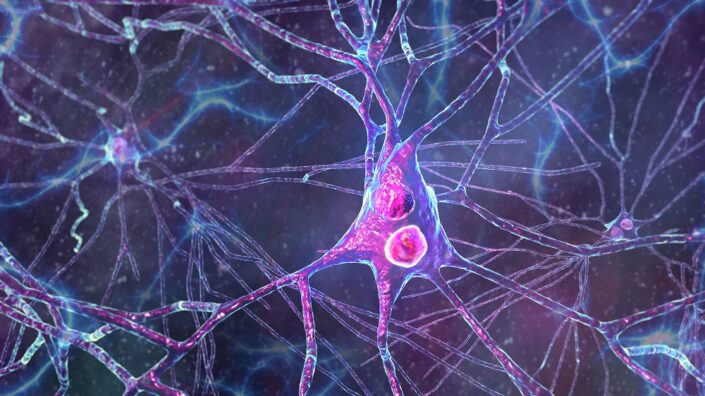
A cell has mechanisms to handle excess or misbehaving proteins. One such mechanism is the proteasome, a barrel-like protein complex that ingests such proteins and chops them up into small chunks (peptides). In most cells, proteasomes reside in the cytosol, but as the same team discovered a few years ago, neurons are different: they also have proteasomes that insert themselves into the cellular membrane, taking in proteins from the cytosol and spewing peptides from the other end into the intercellular space. The researchers called these “neuroproteasomes” and have been studying them ever since.

“Prior studies could not capture how tau misfolds in the first place in Alzheimer’s disease, but understanding how tau aggregation begins is critical if we want to create therapies that prevent neurodegeneration before it starts,” said the new study’s senior author, Kapil Ramachandran, assistant professor of neurological sciences.

Block the exits

In this new study, the team investigated the possible role of neuroproteasomes in tau aggregation. First, they had to devise a way to shut down these complexes without touching the cytosolic proteasomes. To do so, they developed compounds that can jam neuroproteasomes from the extracellular end but are too big to enter the cell.

The researchers then looked at what proteins become more prone to aggregation with neuroproteasomes shut down. Four proteins came up on top, including tau. This was confirmed in neurons from hTau-knock-in mice, a mouse model of endogenous human tau.

Interestingly, other inhibitors that work on all proteasomes – both cytosolic and membrane-bound – did not induce insoluble (aggregated) tau. This seems counterintuitive: why would tau be less prone to aggregation if all proteasomal machinery is blocked? Further experiments produced the following hypothesis: inhibiting the cytosolic proteasome triggers a compensatory cleanup response, which is based on autophagy and lysosomes that effectively clear the aggregates. However, the same compensatory mechanism doesn’t kick in when only neuroproteasomes are clogged. When both cleanup systems are shut down, aggregates reappear.

Morphological analysis confirmed that blocking neuroproteasomes produces tau filaments that looked exactly like those associated with Alzheimer’s. The insoluble tau in them had the same molecular weight and was phosphorylated at the same sites as in Alzheimer’s.

A genetic risk factor fits in

To connect this to genetic risk, the authors needed to know what the neuroproteasome interacts with at the membrane. The list of identified binding partners included ApoE, Alzheimer’s strongest genetic predictor. The ApoE4 isoform of this protein is strongly associated with Alzheimer’s, while ApoE2 is protective, and ApoE3, the most widespread type, is considered neutral.

Given that physical link, do the three ApoE isoforms regulate the neuroproteasome differently? In humanized ApoE knock-in mice, surface neuroproteasome levels were indeed strongly reduced in ApoE4 hippocampal tissue compared with the other two isoforms.

The same held in human postmortem brains: people who carry two copies (being homozygous) of this harmful allele were found to have significantly lower neuroproteasome levels than people who are homozygous for APOE3. Moreover, APOE3/3 brains from Alzheimer’s patients have lower neuroproteasome levels than APOE3/3 controls, showing the disease’s effect. These levels fell further in high-pathology regions, showing an inverse relationship between neuroproteasome abundance and tau burden.

Age is the strongest risk factor for Alzheimer’s. To test the relationship between aging and neuroproteasome levels, the researchers looked at wild-type mice and saw these levels decline beginning at around 12 months.

Using neurons from mice expressing human tau and ApoE, the researchers found that the amount of neuroproteasome inhibition needed to trigger aggregation depended sharply on genotype. ApoE4 neurons formed insoluble tau after losing only 20% of neuroproteasome activity; ApoE3 needed 60%, and ApoE2 needed 85%.

In the researchers’ proposed model, ApoE sets a neuron’s “proteostatic reserve.” ApoE4 neurons run close to the edge with less reserve, so an insult, such as aging, tips them into aggregation relatively easily. Conversely, ApoE2 neurons have double protection, both by higher baseline neuroproteasome levels and by greater tolerance to losing them, while ApoE3 sits in the middle, which resembles the correlation between these genotypes and Alzheimer’s.

In their previous paper, the authors suggested that the neuroproteasome may have certain signaling functions; however, this study still leaves many of its details unresolved, including its exact role and how it is affected by ApoE, so they plan to dig deeper. “The links between tau filament formation and ApoE variants and aging, Alzheimer’s greatest risk factors, suggest we may have found a mechanism to explain how an important aspect of the disease gets started,” Ramachandran said. “Our hope now is that our findings open a whole new area of research that eventually helps patients.”

We would like to ask you a small favor. We are a non-profit foundation, and unlike some other organizations, we have no shareholders and no products to sell you. All our news and educational content is free for everyone to read, but it does mean that we rely on the help of people like you. Every contribution, no matter if it’s big or small, supports independent journalism and sustains our future.
Literature

[1] Paradise, V., Konrad-Vicario, K. D., Nguyen, C., Sharif, N. A., Wang, X., Mukim, R. D., … & Ramachandran, K. V. (2026). Neuroproteasomes regulate endogenous tau paired helical filament formation in an APOE genotype-and age-dependent manner. Nature Neuroscience, 1-13.

[2] Gendron, T. F., & Petrucelli, L. (2009). The role of tau in neurodegeneration. Molecular neurodegeneration, 4(1), 13.

[3] Ramachandran, K. V., & Margolis, S. S. (2017). A mammalian nervous-system-specific plasma membrane proteasome complex that modulates neuronal function. Nature structural & molecular biology, 24(4), 419-430.

Repeated lifting

Preventing Load-Induced Arthritis at the Cellular Level

Researchers have discovered that the osteoarthritis-inducing effects of excessive mechanical stress can be mitigated by increasing miR-330, a key regulator in cartilage and bone cells.

Backbreaking labor is exactly that

It has been long-held conventional wisdom that a lifetime of heavy physical labor leads to the early development of arthritis. This has been backed up by scientific studies; even back in 1980, it was documented that heavy industry workers, on average, got lumbar arthritis a full decade earlier than other blue-collar workers [1].

Recent research has confirmed this in more detail. Abnormal mechanical loading, which is inevitable in such workplaces, causes oxidative stress, inflammation, senescence, and degeneration of cartilage and bone [2]. Some of the specific proteins involved in this progression have been identified, such as PIEZO1 [3] and TRPV4 [4], which are sensitive to environmental conditions. This team has found that even temporomandibular joint osteoarthritis (TMJOA), which affects the jaw, can be caused by abnormal mechanical loading [5].

A target implicated in other disorders

These researchers have chosen to go a step further by focusing on noncoding miRNAs, which do not directly serve functions but act on functional proteins. Previous work has found that miRNAs can be affected by mechanical stresses, including in bone [6]. While other research has identified individual miRNAs that regulate intravertebral disc degeneration [7] and bone building ability [8], the landscape is far from complete. This work focuses on a different miRNA, miR-330, which has been identified as causing muscle wasting during cancer [9] among other disorders.

The researchers singled out miR-330-3p and miR-330-5p as their most promising candidates after investigating 65 differentially expressed miRNAs from 96 TMJOA patients and 102 miRNAs derived from rat models of TMJOA. In an in vitro study, miR-330-3p was indeed found to be highly receptive to mechanical stimuli, and both miR-330-3p and miR-330-5p were significantly downregulated in TMJOA patients compared to controls. miR-330-3p was also downregulated in rat models of TMJOA and knee osteoarthritis.

Collectively, these findings demonstrate that mechanical stress significantly downregulates miR-330-3p expression, with progressive reduction occurring during OA advancement across patients and animal models.

Required for resilience

In a further experiment, the researchers created mice that did not produce miR-330. Compared to wild-type mice, these mice had significantly fewer stem cells that successfully differentiated into cartilage-generating cells (chondrocytes), and their chondrocytes were more likely to die by apoptosis. Their bones were smaller and weaker, and this was found to be due to an increase in bone destruction by osteoclasts; osteoblasts, the cells that build bone, were found to be unaffected by miR-330.

Mechanical load made things worse. Compared to wild-type controls, miR-330-deficient mice were far more prone to osteoarthritis under induced stress, including more rapid cartilage and bone degeneration, spurred by an increase in osteoclast activity along with apoptosis of chrondrocytes.

A gene expression analysis identified miR-330’s target genes. CTGF, FGFR1, and EPOR are all upregulated when miR-330 is downregulated under mechanical stress, and these researchers had previously found that this upregulates the inflammatory factors TNF-α and IL-1β as well. CTGF and FGFR1 were found to affect how chondrocytes behave, while EPOR, TNF-α, and IL-1β were found to be the reasons for the increased osteoclast activity.

Upregulation mitigates damage

Finally, the researchers attempted to determine if upregulating miR-330 can fight against stress-induced osteoarthritis. Injecting a rat model with an adeno-associated virus (AAV) that upregulates this miRNA found that it indeed could; the treated rats had less osteoclast activity, less inflammation, and more chondrocyte activity than the control group. miR-330’s downstream genes were all successfully downregulated, as were inflammatory pathways. While it did not completely remove the effects of mechanically induced osteoarthritis, there were significant benefits in this model.

While other experiments have identified other miRNAs as targets in this context, these researchers are the first to point to this specific miRNA as a key factor in osteoarthritis. They hold that miR-330 can serve as both as a diagnostic marker and a therapeutic target. Future work will be needed to determine if and how this research could possibly be translated to the clinic.

We would like to ask you a small favor. We are a non-profit foundation, and unlike some other organizations, we have no shareholders and no products to sell you. All our news and educational content is free for everyone to read, but it does mean that we rely on the help of people like you. Every contribution, no matter if it’s big or small, supports independent journalism and sustains our future.

Literature

[1] Fiorini, G. T. (1980). Degenerative Arthritis Of The Lumbar Spine In Laborers. Canadian Family Physician, 26, 243.

[2] Jiang, W., Chen, H., Lin, Y., Cheng, K., Zhou, D., Chen, R., … & Yu, H. (2023). Mechanical stress abnormalities promote chondrocyte senescence-The pathogenesis of knee osteoarthritis. Biomedicine & Pharmacotherapy, 167, 115552.

[3] Wang, S., Li, W., Zhang, P., Wang, Z., Ma, X., Liu, C., … & Zhao, Y. (2022). Mechanical overloading induces GPX4-regulated chondrocyte ferroptosis in osteoarthritis via Piezo1 channel facilitated calcium influx. Journal of advanced research, 41, 63-75.

[4] Agarwal, P., Lee, H. P., Smeriglio, P., Grandi, F., Goodman, S., Chaudhuri, O., & Bhutani, N. (2021). A dysfunctional TRPV4–GSK3β pathway prevents osteoarthritic chondrocytes from sensing changes in extracellular matrix viscoelasticity. Nature biomedical engineering, 5(12), 1472-1484.

[5] Zou, L., Yang, K., Yu, Y., Wang, C., Zhao, J., Lu, C., & He, D. (2024). Analysis of joint protein expression profile in anterior disc displacement of TMJ with or without OA. Oral Diseases, 30(7), 4463-4482.

[6] Yuan, Y., Zhang, L., Tong, X., Zhang, M., Zhao, Y., Guo, J., … & Zou, J. (2017). Mechanical stress regulates bone metabolism through micrornas. Journal of cellular physiology, 232(6), 1239-1245.

[7] Cazzanelli, P., Lamoca, M., Hasler, J., Hausmann, O. N., Mesfin, A., Puvanesarajah, V., … & Wuertz-Kozak, K. (2024). The role of miR-155-5p in inflammation and mechanical loading during intervertebral disc degeneration. Cell Communication and Signaling, 22(1), 419.

[8] Chen, Z., Zhao, F., Liang, C., Hu, L., Li, D., Zhang, Y., … & Qian, A. (2020). Silencing of miR-138-5p sensitizes bone anabolic action to mechanical stimuli. Theranostics, 10(26), 12263.

[9] Mubaid, S., Ma, J. F., Omer, A., Ashour, K., Lian, X. J., Sanchez, B. J., … & Gallouzi, I. E. (2019). HuR counteracts miR-330 to promote STAT3 translation during inflammation-induced muscle wasting. Proceedings of the National Academy of Sciences, 116(35), 17261-17270.

Forever Healthy Foundation

Forever Healthy Foundation Launches Evipedia.ai

The Forever Healthy Foundation today publicly launched evipedia.ai, an open online encyclopedia of in-depth evidence reviews covering more than 500 health and longevity interventions, including first-generation rejuvenation therapies, supplements, botanicals, lifestyle protocols, and more.

Evipedia was built to solve a problem familiar to anyone navigating the longevity field: the literature is vast, fragmented, fast-moving, and full of marketing posing as evidence. The encyclopedia distills the current state of evidence for each intervention into a structured, transparent, and continuously refreshed format — free for anyone to read.

“Evipedia is the tool we always wished we had when we started our journey in personal longevity. Our goal is to empower individuals with the knowledge to make informed decisions about their health and longevity.”

— Michael Greve, Founder, Forever Healthy Foundation

What’s in Evipedia

  • 500+ evidence reviews across categories including whole-body therapies (HBOT, PEMF, cryotherapy), brain health, skin rejuvenation, hormone optimization, medications, blood and plasma therapies, complementary cancer approaches, foundational habits, diets, foods, probiotics, botanicals, isolates, and more.
  • A dual structure for every entry Each intervention has a one-page Quick Reference Sheet for at-a-glance protocol, benefits, risks, contraindications, and monitoring, plus a Full Evidence Review for in-depth analysis.
  • Continuous updates Entries are refreshed every 4-6 weeks to reflect new research, keeping reviews current rather than freezing them in time.
  • Stable, shareable permalinks Every intervention has a fixed, short URL and a purpose-designed social sharing card — ideal for citing a compound in a supplement stack or anchoring a claim in an online discussion.

Built on AI4L — open-source, audit-based prompting

What sets Evipedia apart from other AI-assisted health content is the methodology behind it. Every review on Evipedia is produced using AI4L, Forever Healthy’s open-source framework for generating high-quality, well-structured, and hallucination-free evidence reviews, available on GitHub for anyone to use.

At AI4L’s core is a novel “Audit-Based Prompting” approach: each draft is iteratively audited against an extensive structured checklist and revised until it passes — making outputs more accurate, less prone to hallucination, and far more consistent than single-shot AI generation.

Full audit and quality transparency

Every “Quick Reference Sheet” and “Evidence Review” on Evipedia is accompanied by its audit report, which outlines the detailed audit criteria and the history of audits and fixes applied to the documents.

About the Forever Healthy Foundation

The Forever Healthy Foundation gGmbH is a German nonprofit with a single mission: to enable people to extend their healthy lifespan and benefit from the rapidly approaching breakthroughs in human rejuvenation. More at forever-healthy.org.

Resources

Press contact

hello@forever-heathy.org

Todd White Interview

The Thalion Initiative: A New Non-Profit With Big Ambitions

The longevity field remains small and starved for resources, especially the subfield devoted to the fundamental biology of aging, despite near-universal agreement that solving aging requires understanding it first. With VCs looking for clinical successes and state funding drying up for many projects, some enthusiasts are turning to a nonprofit model.

That path is anything but easy, particularly when you’re trying to secure donations in the hundreds of millions. Which is exactly what makes the Thalion Initiative so special: in the works for a good couple of years, it has now surfaced with strikingly ambitious plans.

Thalion has several top-tier names in geroscience as advisors, including Brian Kennedy, Vera Gorbunova, Vadim Gladyshev, Emma Teeling, Michael Levin, João Pedro de Magalhães, Steven Austad, Peter Fedichev, and many others. Max Unfried and Maria Marinova serve as Scientific Directors, while Todd White has taken on the role of Managing Director.

Thalion will fund research across five key areas: embryonic rejuvenation, comparative biology, synthetic biology, tooling, and modeling. This is far more than an eclectic collection of unrelated projects – it all feeds into a single plan spanning more than a decade. Intrigued and excited, I sat down with Todd White to discuss Thalion and its role in the longevity landscape, and this role promises to be considerable.

I know you from VitaDAO, but yours is one of the most unusual journeys into the longevity field. Let’s start there: describe how you got into this, and especially the last leg, from VitaDAO to Thallion.

It is unusual because I spent the first 25 years of my career in telecommunications. I’m an electrical engineer by training, not a biologist – which is interesting, because once I got involved in longevity, I noticed how many people in the field aren’t biologists either.

In 2018, a close family friend died suddenly from an autoimmune disorder. He was 52; I was 48. Processing that loss pulled me into reading about autoimmune disease and, more broadly, mortality.

In 2019, because of the telecom world, I was often around high-net-worth individuals, and longevity came up. Two themes emerged. First, most of them didn’t believe longevity scientists understood the science well enough to make real progress. Second, nobody had ever come to them with a fully fleshed-out plan for how you’d actually tackle aging. So, I foolishly put my hand up and said, “Let me get this straight – if someone came to you with a real plan, you’d be interested in pursuing it?” And the answer was generally yes.

That was November 2019. Then COVID shut everything down. Around 2021, VitaDAO came onto the scene, and like everyone else I was at home listening to Nathan Cheng talk about longevity – so I blame him. Between that and Aubrey de Grey’s book, those were the two things that got me going, and VitaDAO seemed like an interesting way to learn more about the space.

But, by the end of 2023, I’d realized that funding individual PIs in individual labs, which is what we were doing at VitaDAO, wasn’t going to move the needle. The science felt too small. In fairness to those PIs, they’re given a certain amount of money – rarely enough to do what they’d really like – so they run the experiments they can and hope for the next grant. Crypto, for all its easier access to capital, fell into the same small-pot, individual-project pattern.

The push toward translation worried me, too: if you’re not getting government grants, you go to private equity, and private equity needs a return. VCs back small biotechs hoping for a commercializable drug, but in many cases, a whole layer of fundamental research was still missing. Getting to a real therapeutic target takes far more money than most people in longevity ever see — it’s almost a lottery ticket.

So, I sat down with two colleagues I’d met through VitaDAO – Max Unfried and Maria Marinova – and said we needed to do something different. We set out to figure out what a real, solid plan would look like and flew ~30 aging researchers – all the usual suspects, Vera Gorbunova, Vadim Gladyshev, David Gems, that whole group – into Birmingham, England for a week. We told them, “We’re not here to talk about funding what you do in your labs. Our goal is to talk about what it will take to move the entire field forward.” We argued it out for a week, then met every week for the next nine months, including another week of in-person workshops in Boston.

I’d have loved to be a fly on the wall.

It was fascinating. Once you got past “this is what I do in my lab and what I need for my next paper and grant,” everyone became very open – a very different experience than a conference. We came away with about 170 questions that, if answered, would completely open up the field. João Pedro de Magalhães, from Birmingham, led turning that into a paper, published in GeroScience in November 2025 – the top 100 open questions.

From the full list, we then asked what research we’d need to do, and in what order, to answer them. That gave us 16 projects for Thallion across five pillars: comparative biology, embryogenesis and germline rejuvenation, synthetic biology, tooling, and computational biology. We built it into a 220-page plan and then had to get it resourced – that was most of 2025, and it’s still ongoing. What made the year so dynamic was that the US government cut so much funding – NIH, NIA, NSF all cut back – which changed the dynamics for a lot of people.

Not a great time to be raising money.

Some of the worst. But in one sense it was good, because it focused the people who would fund this kind of research on what really matters to them. One thing became clear: longevity has a terrible reputation right now. So, we decided we wouldn’t disclose who’s funding us unless they want to be public – the concern was almost entirely reputational.

People have worked on longevity for 25 years, and the serious research takes a long time, but in that window a lot of people came in selling supplements and things that don’t make a difference, and it poisons the well. We’ve ended up spending more time defending the field than anything else. Nobody really questioned the science we wanted to do; they questioned how funding it would affect their personal reputation.

Which is unbelievably unfair.

It’s tremendously unfair, and I’m frustrated for the PIs – top researchers being painted with the same brush as someone overclaiming results. But I’m glad I went through it, because now I understand better than ever how hard it is for a researcher to get the resources they need. And private equity is part of the problem too, because they want a quick return, and this work is not quick.

I want to circle back to public relations later, but first I want to understand what Thalion is. Your work is mostly about fundamental aging biology and laying the groundwork, including the tools, because retooling the biology matters enormously. What problem are you trying to solve, and what’s the roadmap?

A lot of biologists do a lot of guessing, because they don’t have the data to prove that what they think is true actually is – aging is longitudinal and the system is very complex. Thalion has three phases over a 15-year scope: the first runs from now to around 2033, the second from roughly 2033 to 2038, and so on. This first phase is mostly building tools and datasets – filling the gaps we need to do good science. We won’t really get to the science until around 2029 or 2030. You’re seeing the same logic on tooling at organizations like the Arc Institute and CZI, with their virtual-cell work and AI modeling.

Take comparative biology. Everyone talks about longevity, but we have very little proof that dramatically extending lifespan is possible – except in evolutionary biology. We have bowhead whales, naked mole rats: living, breathing examples of lifespan variation.

Sometimes across really close species, which means longevity can evolve relatively quickly, without fundamental changes to the organism.

Exactly. So, the first big project – actually, the biggest of them – is a mammalian biobank: 200 species with extremely deep -omics. Most biobanks collect tissues and do a genome sequence; we’re doing genomics, methylomics, transcriptomics, proteomics, metabololipidomics, single-cell or spatial – all the building blocks of life, very deeply. The 200 species run from the shortest-lived to the longest-lived, with a progression through the middle — the full range of lifespan variation in mammals.

Everyone talks about how AI will change everything, but I think people are over-indexing on it – not because it isn’t an incredible tool, but because we can’t yet teach it what to look for. That’s a lack of data, and not just more data: it has to be deep data. The biobank won’t just be tissues; it’ll be the multilayered -omics that give detailed, species-by-species information. That project alone is between $100 and $120 million, which would make it the biggest and most information-dense mammalian biobank of its kind ever built with over 2.5 million datapoints.

On tooling: part of the reason we have to guess is that we can’t see what’s going on. As soon as you can see a problem, you can start working out how to solve it. There are two main areas: microscopy and mass spec. One project is to improve the standardization and information extraction from mass spec; the other is to vastly improve microscopy.

The key is to do it in a living cell, as I understand.

That’s right – label-free, living tissue. We need those tools for our -omics. People ask why we don’t just use the biobanks that are already out there, but we need to collect tissues in a way that lets us analyze them with today’s tools and then, in five years, reanalyze with our own far-higher-resolution tools. That’s also why the biobank has an iPSC component.

That’s one of the most interesting parts – it starts from 50 species, I think.

Initially 50. We have some flexibility in the budget and may do iPSCs for all 200 species, but the commitment to our patrons is 50 to start.

Then comes computational biology. The biobank itself is huge — we’re scoped for 60 petabytes of storage, with a lot of GPUs, roughly the same scale as what CZI announced they were providing access to for researchers.

As we built the platform, we went back to first principles. You’ve been around the field a while: first it was longevity, then radical life extension, then healthspan. Those are all aspirational, marketing-style labels. We decided we’d say we do aging biology. So, the first question became: what is aging? Vadim Gladyshev published a paper in 2024 showing that biologists don’t even agree on what aging is. We tackled that head-on, ran a year of computational experiments, and came away thinking that aging isn’t actually the real problem.

I would argue that aging is a proxy for the problem. The real problem is something called homeodynamic remediation – an idea that goes back to the work of Robin Holliday and Suresh Rattan 20 years ago. Think about Parkinson’s: we call it an age-related disease because it usually shows up later in life, but any good description of the problem has to handle the edge cases. Michael J. Fox developed early-onset Parkinson’s at 29, near the peak of his resilience. Aging didn’t give him Parkinson’s – so why did he get it? It comes back to homeodynamics, the body’s ability, or inability, to repair damage.

In other words, maintaining homeostasis.

Exactly. Homeostasis is maintaining stability, and the systems that maintain it – clearing senescent cells, DNA repair – are what contribute to homeodynamics. I always channel my inner Peter Fedichev here, because Peter is a theoretical physicist who loves math, and we built a mathematical model to capture this. Internally we call it our homeodynamic remediation framework, or HDR, and all of our computational work currently goes through that lens. So, we’re challenging the assumptions in biology as we go – the quality of the data in biobanks, and even what the right question is.

Tell me about the embryonic reset part, where you have Vadim Gladyshev and Michael Levin working together. That should get every longevity enthusiast fired up. You want to combine embryogenesis with bioelectricity, which I find especially interesting.

Everything in biology is so siloed – senescent cells over here, bioelectrics over there. This comes back to HDR: rather than reduce the science, we want to embrace the complexity, and when you do, you realize bioelectric patterns apply to a lot.

We’ve been able to show where Michael Levin’s work makes sense and how it weaves in. Embryogenesis is the clearest example: at conception, egg and sperm come together, and over the next few days, as you move through the zygote and the development cycle, all the damage from both parents disappears. You get a cellular-level reset – ground zero – and then development moves forward. That reset is the key to how we rejuvenate cells, and it’s part of homeodynamic remediation: at that early stage, the system says, “There’s damage here; we have to fix all of it before we keep developing a baby.” There’s a bioelectric component to that first step, though I can’t say too much about it.

Why not?

Because that’s Michael’s research, and there’s IP involved. It’ll be disclosed as we go, but Vadim’s thinking and Michael’s thinking are coming together on how you get there. For now, we’ll be working mostly with mouse embryos and iPSCs, because of the moral issues around human eggs. So, one project is characterizing embryogenesis and the impact of bioelectrics in those early stages. Some of that work will also apply to the iPSCs – build the biobank, get the tissues, create iPSCs for different organs, then apply embryogenesis and bioelectric techniques across species. That will tell you a lot you couldn’t otherwise know.

Your work still comes down to funding particular projects and labs. The difference you’re proposing is to tie it all into one complete picture, a grand plan where the parts fit into each other. But can you tell me something about the funding? I’ve heard pretty insane rumors – including that you’ve raised 700 million.

That’s not crazy, in this sense: the total spend over the next eight years to do all of this research is $710 million, and we’ve been raising against that figure. Nobody has walked up with a single $710 million check. Different people have expressed interest to fund different projects – all milestone-driven, some general support. It’s a microcosm of everyone funding this research: some see value in the biobank specifically, some the embryogenesis or Michael Levin’s work, some the evolutionary side. A lot of my effort has been bringing people together and showing how, by helping solve one piece, they help unlock the others.

Now we have to deliver, and there’s a lot of skepticism — you want a lot of money, what guarantee is there that you can execute? Phase one is actually fairly straightforward: it’s data, with very little technical risk. There’s logistical risk but not technical risk, because we’re not stepping into the heavy-duty science yet. A biobank isn’t trivial, but most of it comes down to logistics — getting out there, collecting the right samples the right way, doing the omics work, which is the expensive part, and building the datasets.

You said you gave donors the choice to be named or not, but now you’re saying you can’t disclose any of them. Is that an organization-wide policy?

This is not really a policy – if tomorrow some billionaire decides to say, “I put this amount into Thalion,” that’s fine.

But nobody has said it yet – nobody wants to be openly associated with this?

Nobody yet.

That sounds frustrating, and it’s not ideal for your PR that the whole thing is so secretive. It would help to have a person, or a few people, who could serve as a public face.

The view was: when you have something concrete to release – the biobank, published work – there may be a reason to say something. Until then, no.

So even finding donors is…

Word of mouth. It’s all very quiet. The rationale comes back to reputation – and some of it is political: because of the way the current US administration has acted, a lot of those same potential patrons are very cautious about what they say publicly. Between the FDA and loss of US funding, there’s a sense that people are holding on and just trying to get through this administration.

That’s interesting, because from what I’ve heard, this administration is actually warming up to longevity – more than the previous one, in this particular respect.

True on one level. I’ve been involved in the Right to Try efforts in Montana and New Hampshire, opening up access to treatments. On the other hand, you have people saying they don’t want mRNA vaccines at the FDA – and mRNA and lipid delivery are a big part of how you deliver gene therapies and epigenetic reprogramming. You can use viral vectors, but mRNA is part of it.

So, there’s real uncertainty. Last year was firefighting, just dealing with life. This year, people are starting to come out of the woodwork – people who told me a year ago, “I’ve got to get through this administration stuff first,” are coming back, though still cautious. A lot of them have shifted money away from foundations into donor-advised funds, partly because they can give anonymously.

Going back to the programs – the comparative-biology program is vast and has all the right names. You’ve described the biobank, but other projects sound exciting too, like the chimeras, which seems the furthest off.

Most things build off the biobank. Once you have all that deep -omics data, you try to isolate the mechanisms that control lifespan, whatever they turn out to be. The obvious move is to take a short-lived mouse and genetically manipulate it to live longer.

So, it goes biobank, iPSCs, then transgenic mice. People do this with one or two genes, but once you want to manipulate four, five, six, eight at once, it becomes a real endeavor. You can breed mice to introduce genes over time, but to translate to humans, you obviously can’t tell people to have children and see if it works – you have to deliver the whole package as a gene therapy, so there’s real effort going into delivery.

Which is where the chimera project comes in – much more challenging technically, it lets you put cells from long-lived species into the embryos of short-lived ones. It’s such a long timeframe that it inevitably brings me back to the funding question: do you have any long-term commitments?

All commitments are targeting Phase 1 only. Part of the reason we structured it that way – beyond the fact that Phase 1 is already a lot of money – is that the plan will change, and we’ve been open about that. We’ll learn things that make us decide not to go further with a given project; we’re not going to fund it all the way through no matter what. The data of Phase 1 is fairly self-contained, so that’s what we’ve raised against. We have ideas and a good sense of the next two phases, but they may change.

There are a lot of moving parts, and you can’t start everything at once or move at the same pace on all of them.

Mostly, yes. In comparative biology, you can’t get into the chimeras and transgenic mice until you know which genes you’re working with. So, the biobank, the collection, and the -omics are really the next five years; the chimeras and transgenics come later.

As you said from the start, your work is heavily affected by public attitudes toward longevity. Do you have any plan to address that specifically?

No. We made two decisions early on. First, we’re not getting into clinical trials in this phase. There was a push from the researchers to go do things in humans, and we said we’re not ready at all. I hope I’m wrong – I hope BioAge comes out with drugs and some of the well-funded companies succeed – but we’re not doing the clinical side at this point.

Second, we’re not getting into the narrative. Part of the problem is that everyone keeps trying out narratives to see which one works, and it’s never been consistent. People like Nir Barzilai have moved to “geroscience” as the label, because they ran into the same “this is all snake oil” perception.

Other than some policy work with the A4LI – the Alliance for Longevity Initiatives – we’re staying out of communications. It would be great if the public could convince the government to put billions into this the way it does for Alzheimer’s, but we don’t see that as our job; it would need far more money, and there are already enough people interested. The real shift will come when a company like BioAge or Life Biosciences actually puts out a drug that can be called an aging drug. If one of them gets a Phase 2 and Phase 3 result that genuinely works, that changes the dynamic overnight.

Hopefully.

From a credibility standpoint, that’s what will make the difference. As for communicating it more widely – to some people it matters, to others it doesn’t. Because it doesn’t feel imminent or urgent to most people, it doesn’t get the airplay, and I don’t think we’d add anything unique to that conversation.

Fair enough. It’s just that you started from how hard it’s been to reach donors because of the worsening public climate around longevity. There is only a handful of small organizations trying to defend the idea of life extension. I’d argue that longevity does get airtime and attention, but in very unflattering ways, like with Kara Swisher’s new CNN show. It genuinely worries me that the field hasn’t been able to put up much of a defense.

It’s definitely had an impact on raising money, but it really only comes up when I’m in a room being grilled for an hour. When I started raising funds, I answered that question right up front. I usually walk in and say, “The longevity field is a mess. There’s so much snake oil – and yet there’s a core of genuinely talented researchers doing real science who are being painted with that brush unfairly. I’m here to correct that.” And yes, this probably won’t work – one figure on our site is that only 1.2% of preclinical drug assets make it all the way through. You lose nine out of ten before you even get to the FDA, and nine out of ten after that.

If you’re an engineer, the argument is: in what other field could you walk in and say, “I’m going to succeed 1.2% of the time,” and not be shown the door? Nobody pays for a 1% success rate – yet we do exactly that, routinely, in medicine, and we consider it acceptable.

That’s exactly one of the things I find most infuriating – that people can’t extend the norms they accept in medicine to longevity.

It comes down to desperation. If you have a family member suffering from Alzheimer’s, you see it; it causes a visceral reaction, so even a desperate option gets support. Same with cancer. In those cases, the immediate, physical suffering gets the response; the squeaky wheel gets the grease. Aging doesn’t have that. Even “100,000 people are dying every day” isn’t urgent enough, because it doesn’t carry the emotional connection of watching your grandmother slowly waste away.

So, when I walk into a room with someone who can write a check, if they have an emotional connection to it, that’s usually why they took the meeting in the first place — they have staff to handle everything else. If I’m in the room at all, I feel I’ve already come a long way.

What usually moves people is that a family member or a friend died of an age-related disease, rather than the idea that they themselves are going to die?

Right. Elon Musk is a good example. His attitude is, “Yeah, aging sucks. It’s an engineering problem. I’d like to wake up and not hurt.” He’s not worried about dying; he’s worried about whether his back is going to slow him down before ten meetings. It’s the immediate short-termism.

It’s always interesting to hear from someone who’s actually been in the room with wealthy individuals and understands how they think about aging.

In many ways they’re not so different from people who aren’t wealthy, but they do think about it differently. They’re used to money buying solutions – when they have an engineering problem, they buy more talent and the engineers deliver. If Elon has a problem with a rocket motor, he gets everyone in a room and asks, “What are we doing about it? The metallurgy is wrong? Then we’ll get someone to make the metal.” It’s a very can-do attitude.

My ideal patron is someone from a tech background who has also lost money in biotech, because then they understand the challenges. They come to me and say, “You want my money – what are you going to do differently?” That becomes the conversation, and at least I’m not educating them. I’d much rather have someone who isn’t naive and will ask the hard questions, because otherwise, three years out, they’ll ask, “Why don’t I have a drug for aging yet?” I want someone who understands this is a long haul – but the sooner we start, the better chance of succeeding we have.

What is your general read on where the field sits in terms of science, biotech, regulation? We’ve talked a lot about public perception. Where do nonprofits and citizen science fit in the long term?

I’m encouraged. If you’re a small biotech, it’s probably the most encouraging part of the space, because impact investors tend to be more patient – but the amounts are small, enough to get you to a Series A or B.

The science is coming along. Realistically, longevity hasn’t gotten its due: if we’d had cancer-level funding for even five years, we’d be miles ahead, simply because you can cover more ground faster. Everyone’s doing great work with a relatively tiny amount of money.

But, we still have a long way to go, and it’s naive to think AI is just going to magically solve it. AI is a fantastic tool, but as far as I can see, we’re going to fail faster and cheaper – the end result won’t be that different. Maybe a drug candidate costs $2 million to reach a trial instead of $4 million, but its odds of success are still about one in ten. Efficacy is the thing I don’t see AI solving, because it’s trained on what we already know; it doesn’t synthesize drug candidates, it sifts data and proposes solutions, but no better from an efficacy perspective than a good PI could.

I’d actually argue AI will help more on your side – fundamental biology, understanding aging – if you feed it a lot of data, which is exactly what you’ll be generating. That’s where it can shine, more than in picking drug candidates.

Right, and that takes time. For the next couple of years, there’ll be a lot of noise about how great AI is going to be, but the real value, at least from our perspective, comes in three or four years, once we have the datasets. You see this everywhere now – ARIA and others talking about building datasets for AI – because they’ve realized they don’t have the resolution or the data density they need to make good decisions.

Should we expect milestone updates from Thalion?

Yes. For the biobank, if you go to biobank.thalion.global, that’s essentially the scorecard – you’ll be able to watch our progress, and we’ll do the same for the other projects as they develop. It’s all part of letting people measure our impact.

We would like to ask you a small favor. We are a non-profit foundation, and unlike some other organizations, we have no shareholders and no products to sell you. All our news and educational content is free for everyone to read, but it does mean that we rely on the help of people like you. Every contribution, no matter if it’s big or small, supports independent journalism and sustains our future.
Rejuvenation Roundup May 2026

Rejuvenation Roundup May 2026

Approaches that modify the processes of aging at their roots have gone well beyond basic research and into therapies intended for the clinic within the next few years. Here’s how the field has advanced in May.

Team and activities

LIN ReportThe Longevity Investor Network Looks Back at 2025: Through curated monthly pitch sessions, educational seminars, collaborative diligence, and ecosystem-building events, LIN provides a structured platform for investors to discover, evaluate, and support companies working at the forefront of aging biology and rejuvenation biotechnology.

Interviews

Junyue Cao on How the Body Ages, Cell by Cell: Dr. Junyue Cao is a professor at the Rockefeller University, and his lab develops ultra-high-throughput single-cell technologies and applies them to the biology of aging.

Matthew O'ConnorMatthew O’Connor on Cyclarity’s Successful Phase 1 Trial: Most cardiovascular trials focus on lowering LDL cholesterol or reducing inflammation to slow disease progression. UDP-003 targets the root cause: toxic 7-ketocholesterol (7KC) inside macrophages and soft plaques.

Developing a Drug To Reverse Heart Disease: We have spoken with Reason from Repair Biotechnologies about his company’s lead candidate, REP-0004, a drug targeting the liver to reduce excess intracellular free cholesterol.

Advocacy and Analysis

Radical Life Extension: This book explains aging as accumulated biological damage, examines why most longevity ideas fail, and outlines three strategies—biostasis, replacement, and bioengineering—that could allow humans to live dramatically longer lives.

Clinical trialCurrent Clinical Trials of Alzheimer’s Drugs: A group of researchers published an annual report on the clinical trials that are testing drugs for Alzheimer’s disease. Overall, they reported an increase in the number of trials, with 158 drugs investigated across 192 trials.

Harvard Publishes a Longevity Report for the General Public: The report, titled “Pathways to Longevity”, introduces several important longevity concepts to the general reader and is another sign that the field is coming of age and entering the mainstream.

Research Roundup

Robot doctor“Thinking” AI Outperforms Human Doctors on Real-Life Data: A new study has pit an advanced large language model against human physicians in tasks involving complex reasoning, treatment recommendations, and messy real-world patient records.

Creatine Shows Synergy With Exercise in Older Adults: In a new study, the popular supplement creatine seemed to add to some of the beneficial effects of power training.

Gut bacteriaHow Intestinal Aging Encourages Harmful Bacteria: In Aging Cell, researchers have elucidated the relationship between intestinal aging and age-related changes to the gut microbiome.

GLP-1 Drugs’ Muscle Effects Similar to Ordinary Weight Loss: A new study suggests that GLP-1 receptor agonists do not affect muscle mass any more than weight loss caused by caloric restriction, and this appears to be true for strength as well.

T cells attacking cancerNew mRNA Therapy Destroys Cancer by Improving T Cell Priming: Scientists have found a way to drastically ramp up mouse immune responses to cancer along with flu and COVID-19.

CRISPR-Based System Targets RNA and Kills Cells on Demand: Scientists have devised a CRISPR-based tool that can kill cells carrying a specific strand of RNA. The tested targets include cancerous and virus-infected cells.

Identifying DNAUntangling Cellular Senescence at Its Roots: In Aging Cell, researchers have described the differences between primary and secondary senescent cells, comparing radiation-induced senescence to senescence induced by the SASP.

How an Oxidative Stress Regulator Makes Cataracts Worse: Researchers have outlined a key receptor and protein involved in the formation of cataracts, paving the way for potential treatments targeting them.

Mitochondrial membraneMitochondrial Aging Linked to Losing Crucial Membrane Lipid: Scientists have found that the levels of phosphatidylcholine, the most abundant lipid in mitochondrial membranes, decline with age, driving mitochondrial aging in worms and possibly humans.

How Omega-3 Fatty Acids May Alleviate Kidney Disease: Researchers have discovered the role of cellular senescence in the interaction between omega-3 polyunsaturated fatty acids (PUFAs) and chronic kidney disease (CKD).

BrainTau Protein Is Crucial for Encoding Long-Term Memory: Scientists have uncovered an unexpected function of the tau protein, which is mostly known for its role in Alzheimer’s and related disorders: helping encode long-term memory..

Cardiovascular Health During the Menopausal Transition: Perimenopausal women had about twice the odds of having a poor overall score when compared with premenopausal women, after adjusting for age.

Early Cancer Cells Change Their Surroundings to Form Tumors: Scientists have demonstrated how cancer cells influence neighboring cells to create a favorable niche for the tumor to grow.

A Better Algorithm for Predicting How Cells Behave: In a preprint published in arXiv, researchers from Altos Labs have described a machine learning algorithm that performs end-to-end prediction of how cells’ gene expression will respond to interventions.

Sleep chart of biological ageing clocks in middle and late life: These findings suggest a cross-organ, multi-omics U-shaped relationship between sleep duration and biological ageing clocks.

Time-restricted feeding improves functional capacity of adipose-derived stem cells with activation of OSK-associated transcriptional programs: TRF is a noninvasive, physiologically safe intervention to restore aged stem cell function and tissue homeostasis during aging.

Pyrroloquinoline quinone and imidazopyrroloquinoline intake diminish mortality risk during midlife and improve muscular dysfunctions with age in mice: This is the first study to demonstrate that PQQ and IPQ supplementation is effective in ameliorating age-related alterations and diminishes mortality risk during midlife in mice.

Can table tennis protect the aging brain? A systematic review and meta-analysis in neurodegenerative diseases: It appears to be a safe, feasible, and potentially effective non-pharmacological intervention for improving cognitive and motor outcomes in individuals with AD, PD, and dementia.

Effect of Nicotinamide Mononucleotide on Retinal Thickness of Older Patients With Diabetes Mellitus: Based on the retinal thickness results, NMN may be efficacious in mitigating age-related alterations in the retina.

Effects of acute, subacute, and chronic exercise on plasma s-Klotho levels: a systematic review and meta-analysis: Exercise significantly increases s-Klotho levels, with acute and subacute aerobic sessions benefiting healthy and diseased populations.

Porcine plasma-derived extracellular vesicles orchestrate multi-target neuroimmune reconfiguration to alleviate Alzheimer’s disease pathology: This study positions PpSEVs as a potent, multi-target intervention that decouples therapeutic benefits from human donor reliance, paving the way for sustainable, xenogeneic exosome-based AD therapies.

Same Patients, Different Health Care Systems—Revisited. Geriatric Care Models in the U.S., Canada, and Europe: Recommendations emphasize harmonizing geriatric expertise, embedding evidence-based interventions, and fostering cross-system learning to optimize outcomes for older adults.

Methylene blue protects hair follicle stem cells from oxidative and metabolic stress to enhance hair regeneration: Remarkably, pre-treatment with MB protected HFSCs from GLP-1 RA–induced metabolic stress and premature cell death.

Nicotinamide riboside and pterostilbene reduces frequency and severity of undesirable symptoms of the menopause transition: an open-label, pilot clinical trial: This study demonstrates that NRPT is effective in significantly decreasing the frequency and magnitude of undesirable symptoms of the menopause transition.

Mesenchymal drift: A convergent framework for the hallmarks of aging: Partial reprogramming is a potential strategy to restrain or reverse MD and counteract its associated aging hallmarks.

Hypoxia-induced autophagic degradation of HIF-1α attenuates cellular aging and extends mammalian lifespan: These findings define a regulatory axis in which HIF-1α degradation under hypoxia contributes to longevity, and support HATC as a geroprotective strategy to improve healthspan.

Does leisure activity matter for epigenetic aging? Analyses of arts engagement and physical activity in the UK Household Longitudinal Study: These findings position ACEng as a potential contributor to healthy aging at the biological level, supporting its inclusion in public health strategies.

Universal transcriptomic hallmarks of mammalian ageing and mortality: This study reveals conserved signatures and a modular architecture of mortality regulation, providing a framework for quantifying and targeting ageing of cellular subsystems across species and tissues.

Bench to bedside: is rapamycin headed for the docTOR?: Rapamycin—or molecules that similarly act to inhibit mTOR—may yet realize the century-old dream of extending healthspan and lifespan with a small molecule.

Plasma glycine decelerates biological aging via the redox-inflammatory axis: A large-scale study modulated by sex and dietary patterns: These results support for precision interventions integrating glycine optimization with anti-inflammatory dietary patterns to extend healthy longevity.

News Nuggets

AI for Practical LongevityForever Healthy Releases AI4L 1.0 for Practical Longevity: AI4L, “AI for Practical Longevity”, is an open-source system that enables anyone to produce rigorous, evidence-based reviews of health and longevity interventions using frontier AI models.

Cyclarity Unveils Oxidized Cholesterol Excretion Data: Cyclarity Therapeutics, Inc. has just unveiled data from a clinical trial of its lead candidate, UDP-003, at the American Heart Association Vascular Discovery Scientific Sessions.

APLMSChina Launches Standardized Physician Education in Longevity: China has launched its first national competency-based education programme in longevity medicine, marking a significant step toward integrating healthy longevity and preventive care into mainstream clinical practice.

We would like to ask you a small favor. We are a non-profit foundation, and unlike some other organizations, we have no shareholders and no products to sell you. All our news and educational content is free for everyone to read, but it does mean that we rely on the help of people like you. Every contribution, no matter if it’s big or small, supports independent journalism and sustains our future.
Pathway forward

Harvard Publishes a Longevity Report for the General Public

The report, titled “Pathways to Longevity”, introduces several important longevity concepts to the general reader and is another sign that the field is coming of age and entering the mainstream.

People do want to live longer

From time to time, Harvard Health Publishing issues Special Health Reports – consumer-facing, doctor-reviewed guides translating medical research for general readers. Previous reports included topics such as Alzheimer’s and heart disease. This new one, presented to the public earlier this week, is dedicated to healthy longevity. While this report, aimed mostly at curious laypeople and priced at $29, might not reveal a trove of new information to a longevity-savvy reader, it is an unmistakable sign that longevity science and the very idea of extending lifespan and healthspan are finally entering the mainstream.

The report opens by separating the science from the universal wish for a longer life. It quotes a Pew survey that found that 76% of U.S. adults want to reach at least 80 and fully 29% hope to hit 100. The report then notes that, currently, centenarians constitute only about 0.03% of the U.S. population. This shows a significant gap between how long people actually want to live and the current human longevity, suggesting that the idea of life extension appeals to the masses.

The report’s medical editor is Dr. David Barzilai, a longevity physician and consultant who also lectures at Harvard Medical School. Barzilai is a top-tier expert in geroscience and longevity, and this choice lends a lot of credibility to the document.

Hallmarks of aging for dummies

The document indeed introduces the reader to several important longevity-related concepts, such as healthspan vs. lifespan, the concept of biological age, the hallmarks of aging, inflammaging, and so on. Each hallmark gets its own generously sized paragraph, with explanations striking the delicate balance between being overly technical and superficial. It also lists factors that hint at individual longevity and spends some time discussing the notion of “Blue Zones,” casting doubt on the centenarian claims while endorsing the lifestyle lessons.

From the signs and hallmarks of aging, the report moves on to a review of emerging interventions. A framing caveat is repeated throughout: nothing is yet proven to slow, stop, or reverse human aging, and any future therapy will complement, not replace, healthy habits and screening.

“The most important story here is not that Harvard Health Publishing is promising longevity breakthroughs,” Barzilai said. “It’s that a major academic medical institution is introducing the public to the conceptual framework of longevity medicine in an evidence-based way. The report treats lifestyle medicine as the foundation, emerging gerotherapeutics as a serious but still developing clinical frontier, and consumer anti-aging claims as something readers need tools to evaluate critically.”

The medications section includes staples like rapamycin, metformin, and SGLT-2 inhibitors. Importantly, GLP-1-based drugs are mentioned, showing that the notion they have certain anti-aging properties is becoming widely accepted. This section also includes investigational peptides and senolytics.

Under “Other potential interventions,” stem cells, HBOT, sauna, and cold exposure each get a mention. While this list is not meant to be exhaustive, one notable omission is conspicuous: cellular reprogramming. Despite being pursued by top scientists and huge companies like Altos Labs, and having candidates cleared for clinical trials, this crucial part of the longevity landscape is only mentioned in passing in the context of age-related stem cell exhaustion and epigenetic changes.

Be curious, but beware

The report then moves to supplements, with the words “Buyer beware” appearing in the headline. Supplements, the reports rightly notes, are “largely unregulated in the US” and not proven to extend lifespan. The list of supplements, each accompanied by a short overview of the related research, includes crowd pleasers like multivitamins, omega-3, collagen, creatine, and curcumin, among others.

Unsurprisingly, a large section is devoted to healthy dietary habits. While the report says, “there is no single, perfect diet plan everyone should follow,” it recommends consuming more plants and plant protein, and less animal foods and refined carbs. Keto diets get a fair discussion, but a cold shoulder from the authors, while the Mediterranean diet and DASH are highlighted as the best overall options. “The research on time-restricted eating does not fully back up its popularity,” the report says, while noting that it might help people lose weight.

The other two members of the “longevity triad,” exercise and sleep, are covered, too, with cardiorespiratory fitness labeled as “maybe the single best predictor of how long you live.” Many sources highlight aerobic and strength exercise, leaving out the third pillar, balance. Here, it is properly featured. The recommendations include getting at least 7,000 steps daily and grabbing “exercise snacks” – short bouts of physical activity, which, according to recent research, can go a long way.

For alcohol consumption, the report goes with the state-of-the art research, noting: “For decades, many people believed that moderate alcohol intake was good for heart health and overall longevity. In recent years, however, studies have painted a different picture. The current consensus: the less alcohol you drink, the better.”

The promise of longevity medicine

The section “What to know about so-called ‘anti-aging’ programs” directly addresses the rising popularity of longevity clinics and doctors (of which David Barzilai is one) and takes a stance that might seem too conservative for some, but is probably a good place to start for beginners who might have trouble distinguishing the wheat from the chaff (and there’s a lot of chaff out there).

“Longevity medicine is entering a more mature phase,” Barzilai summarizes. “The field is moving beyond isolated claims and toward a framework that asks better questions: What improves function? What delays disease? What changes measurable risk? And what evidence is strong enough to guide clinical decisions?”

For longevity enthusiasts, the report might help to introduce new people into the field as well as serve as proof that longevity science has come of age and is to be taken seriously. “This report is an approachable summary on aging, and the real-world factors which are actionable for personalized and precision health,” said Todd White, managing director of Thalion Initiative, a longevity-focused non-profit. “While not shying away from the possibilities of treatments like peptides which remain, as yet, lightly studied, the report is well grounded.”

We would like to ask you a small favor. We are a non-profit foundation, and unlike some other organizations, we have no shareholders and no products to sell you. All our news and educational content is free for everyone to read, but it does mean that we rely on the help of people like you. Every contribution, no matter if it’s big or small, supports independent journalism and sustains our future.
DNA modeling

A Better Algorithm for Predicting How Cells Behave

In a preprint published in arXiv, researchers from Altos Labs have described a machine learning algorithm that performs end-to-end prediction of how cells’ gene expression will respond to interventions.

The need for prediction

Simulating biological processes on a computer is an incredibly difficult task. While advanced algorithms such as Google’s AlphaFold have revolutionized protein folding, the complete biochemistry of a cell is orders of magnitude more complex.

One way of getting around this is to simply use live cells. Modern RNA sequencing techniques make it relatively simple to test the effects of genetic perturbations and small-molecule interventions. However, even with this technology, there is still an enormous possibility space, different cell types respond differently, and changing how a cell behaves often requires multiple perturbations at once [1].

Machine learning algorithms, therefore, are intended to predict what sorts of perturbations may be of value to the field in silico, after which these predictions can be tested in vitro before such research can continue on to animals and people. Interestingly, previous work has found that simpler algorithms are largely more useful in broad applications and that removing extra constraints improves these models’ ability to generalize [2].

A flow algorithm with an unusual design choice

To that end, these researchers created PRiMeFlow, an algorithm that works directly within the gene expression space rather than compressing information into lower-dimensional spaces, as previous algorithms had [3]. This flow algorithm uses learned probabilities to transform known information into previously unknown configurations.

The authors note that their architecture of choice, a U-net, is normally considered suboptimal for the task at hand; gene expression ordering is arbitrary, and a U-net is geared towards spatially oriented tasks that involve measuring the relationship between nearby data points. A multi-layer perceptron (MLP) would normally be considered the better option, but ablating their U-net flow data into an MLP only worsened their model’s predictions. They admit that they do not know why this is the case, and they suggest an investigation involving cross-attention mechanisms that might better aggregate information without spatial biases.

Top performance

In its best configuration, PRiMeFlow achieved state-of-the-art performance in three key benchmarks that are part of the PerturBench platform. Two of these benchmarks represent covariate transfer: the model’s ability to predict the impact of perturbations under different conditions, such as cell types that may not have been included in the training data. On the third, which measures combined predictions, it outperformed many other models in all but one metric.

Against a private test set of human embryonic stem cells, PRiMeFlow performed exceptionally well, and this performance was bolstered by further fine-tuning. The best fine-tuned PRiMeFlow model was found to be the closest to in vitro results among all the models on the leaderboard.

The researchers laid out a vision for the future, suggesting that this work could form a foundation of virtual cells, which could theoretically be used to model entire virtual organisms. However, a large variety of computational and algorithmic challenges need to be conquered before such a vision could be made into reality.

We would like to ask you a small favor. We are a non-profit foundation, and unlike some other organizations, we have no shareholders and no products to sell you. All our news and educational content is free for everyone to read, but it does mean that we rely on the help of people like you. Every contribution, no matter if it’s big or small, supports independent journalism and sustains our future.

Literature

[1] Watanabe, K., Panchy, N., Noguchi, S., Suzuki, H., & Hong, T. (2019). Combinatorial perturbation analysis reveals divergent regulations of mesenchymal genes during epithelial-to-mesenchymal transition. NPJ systems biology and applications, 5(1), 21.

[2] Lotfollahi, M., Klimovskaia Susmelj, A., De Donno, C., Hetzel, L., Ji, Y., Ibarra, I. L., … & Theis, F. J. (2023). Predicting cellular responses to complex perturbations in high‐throughput screens. Molecular systems biology, 19(6), MSB202211517.

[3] Klein, D., Fleck, J. S., Bobrovskiy, D., Zimmermann, L., Becker, S., Palma, A., … & Theis, F. J. (2025). CellFlow enables generative single-cell phenotype modeling with flow matching. bioRxiv, 2025-04.

Lung cancer tumor

Early Cancer Cells Change Their Surroundings to Form Tumors

Scientists have demonstrated how cancer cells influence neighboring cells to create a favorable niche for the tumor to grow. This can inform future early-stage cancer therapies [1].

Cancer is a disease of aging. With the exception of childhood cancers, most of which stem from inherited genetic errors, adult cancers tend to occur later in life. It can take years or even decades from an initial mutation for tumors to appear and spread. Most cells with cancerous mutations fail to grow into tumors, but a small number eventually prevails, leading to disease.

One of the key factors that determines the fate of a pre-cancerous cell is its communication with the immediate environment, or stroma, which can either block or support tumor growth [2]. A recent study published in Nature by Erik C. Cardoso and colleagues dissects this relationship in detail in the context of lung adenocarcinoma (LUAD), pointing to the exciting possibility of treating cancers long before they are detected.

Lung cancer often starts with mutations in AT2 cells

The authors focused on LUAD, the most common type of lung cancer, to test how normal lung stem cells become cancer-promoting cells after acquiring cancer-causing mutations. They genetically engineered mice in which a mutation in a critical KRAS gene can be triggered after the animals receive treatment with a drug called tamoxifen. The mutation then only appears in the lungs.

KRAS mutations occur in approximately a third of LUAD cases in patients; however, a single KRAS mutation is not enough to trigger cancer growth, and other changes within the mutant cells and their environment are required [3]. Understanding the exact steps of this process is critical in creating effective treatments.

The first steps in cancer growth are similar to tissue response to injury

Alveolar type II (AT2) cells act as stem cells in the lungs, replacing injured or lost cells of the inner lining, but they also frequently give rise to LUAD. The authors found that when AT2 cells acquire a KRAS mutation, they first enter a transitional “repair-like” state that resembles the lung’s normal response to injury. In this transitional state, AT2 cells carrying mutations begin sending molecular messages that alter nearby fibroblasts and immune cells, gradually creating a microenvironment that supports tumor formation. The authors describe this as the creation of a tumor-permissive niche.

In one of the main findings of the study, the authors identified a signaling molecule called amphiregulin (AREG), which is produced in large amounts by the mutant AT2 cells after they entered the regenerative-like transitional state. AREG activates EGFR signaling in nearby fibroblasts. EGFR is a well-known growth receptor frequently involved in cancer biology.

Non-malignant cells support the tumors and allow them to grow

Fibroblasts are connective tissue cells that normally help maintain lung structure and assist with wound repair. In the mutant environment, however, they are reprogrammed into abnormal fibrotic fibroblasts. These fibroblasts begin expressing genes associated with scarring, wound healing, and extracellular matrix remodeling. Essentially, the lung tissue starts to act as though it has been chronically injured, even though there was no actual wound.

The study also examined immune cells, particularly alveolar macrophages. Macrophages are immune cells that normally help clean debris and fight infection in the lungs. The researchers found that local macrophages are also reprogrammed by the developing tumor environment, adopting a hybrid state with inflammatory and immunosuppressive features. Instead of fighting abnormal cells, these altered macrophages were found to help support tumor development.

Early cancer develops in stages

Interestingly, the sequence of events mattered. First, mutant AT2 cells that have acquired a KRAS mutation enter a regenerative-like state and produce AREG. Second, AREG activates fibroblasts through EGFR signaling. Next, activated fibroblasts remodel the tissue and alter macrophages. Finally, the immune system becomes progressively more supportive of tumor growth, creating a self-reinforcing cycle.

To further test whether this signaling network is truly necessary for tumor formation, the authors blocked different parts of the pathway. When they inhibited EGFR signaling using gefitinib, fibroblast reprogramming was greatly reduced. Macrophage activation was also decreased, and the mutant epithelial cells lost many of their abnormal regenerative features.

They also genetically deleted AREG from the mutant AT2 cells. This had striking effects. Tumor formation dropped significantly, fibrotic fibroblasts were reduced, and immune remodeling was impaired. Without AREG, the mutant cells were much less capable of building a tumor-supportive environment.

Mutant KRAS inhibition breaks up tumor-stoma interactions

Another important aspect of the study was reversibility. The abnormal microenvironment was not permanently fixed at early stages. When the researchers inhibited mutant KRAS signaling using a KRAS-specific inhibitor, many of the abnormal cell states were reversed. Fibroblasts lost their fibrotic characteristics, macrophage remodeling decreased, and epithelial cells regained more normal identities. This suggests that the early tumor-supportive niche remains plastic and potentially treatable before advanced cancer develops.

Similarities in human cancer tissues

The team then investigated whether these findings also apply to human lung cancer. They analyzed single-cell sequencing data from patients with early-stage lung adenocarcinoma. Similar populations of regenerative-like tumor cells were identified in human tumors, and these cells also express high levels of AREG. In addition, human tumors were found to contain fibroblasts with fibrotic gene signatures similar to those seen in mice.

To further validate the results, the researchers created human lung organoids using primary human AT2 cells engineered to express mutant KRAS. These organoids reproduced many of the same features seen in mice. The human mutant cells entered transitional regenerative states, expressed AREG, and induced fibrotic changes in surrounding fibroblasts. Once again, EGFR inhibition blocked these effects.

Key takeaways

Overall, the paper argues that cancer initiation is not simply a matter of mutant cells growing uncontrollably. Instead, the earliest stages of cancer involve active cooperation between mutant epithelial cells, fibroblasts, and immune cells. Mutant cells effectively “educate” their surroundings to support future tumor growth.

The findings are clinically important because they identify a potentially vulnerable window before full cancer develops. Current lung cancer treatments are often given after tumors are already advanced and resistant to therapy. This work suggests that interrupting early communication between mutant cells and their microenvironment — especially the AREG-EGFR signaling pathway — could prevent tumors from establishing supportive niches in the first place.

We would like to ask you a small favor. We are a non-profit foundation, and unlike some other organizations, we have no shareholders and no products to sell you. All our news and educational content is free for everyone to read, but it does mean that we rely on the help of people like you. Every contribution, no matter if it’s big or small, supports independent journalism and sustains our future.

Literature

[1] Cardoso, E. C., Lee, H., England, F. J., Cho, H., Lu, R., Varankar, S. S., … & Lee, J. H. (2026). Early fibrotic niches establish tumour-permissive microenvironments. Nature, 1-11.

[2] Yuan, S., Stewart, K. S., Yang, Y., Abdusselamoglu, M. D., Parigi, S. M., Feinberg, T. Y., … & Fuchs, E. (2022). Ras drives malignancy through stem cell crosstalk with the microenvironment. Nature, 612(7940), 555-563.

[3] Guerra, C., Mijimolle, N., Dhawahir, A., Dubus, P., Barradas, M., Serrano, M., … & Barbacid, M. (2003). Tumor induction by an endogenous K-ras oncogene is highly dependent on cellular context. Cancer cell, 4(2), 111-120.

Heart examination

Cardiovascular Health During the Menopausal Transition

A recent study compared premenopausal, perimenopausal, and postmenopausal women’s cardiovascular health. Perimenopausal women had about twice the odds of having a poor overall score when compared with premenopausal women, after adjusting for age [1].

Menopausal health decline

The menopausal transition, and the associated changes in hormonal levels, especially declining estrogen levels, mark not only the cessation of reproduction but also a general decline in physical and psychosocial health, including a decline in cardiovascular health [2].

In this recent study, the authors focused on changes in women’s cardiovascular health as they go through the menopausal transition. As an indicator of cardiovascular health, they used the American Heart Association’s Life’s Essential 8 (LE8) score across the fertile period (premenopausal stage), the transition stage when menstrual cycles are irregular and hormonal levels fluctuate (perimenopausal stage), and the postmenopausal stage. LE8 is a composite score, ranging from 0 to 100, of eight components that represent various cardiometabolic health-related factors. It includes four self-reported health behaviors (physical activity, diet, smoking status, and sleep duration) and four health factors (blood pressure, blood lipid levels, blood glucose levels, and body mass index [BMI]).

The researchers analyzed data from 9,248 females, aged 18 to 80, who were not pregnant or breastfeeding and who did not have prior cardiovascular disease. This data originated from the National Health and Nutritional Examination Survey cycles 2007 to 2020.

The overall LE8 score worsened, from 72.2 in premenopausal women to 67.3 in perimenopausal women to 64.0 in postmenopausal women, reflecting the effects of chronological and ovarian aging. The diet component scored the lowest, and sleep the highest, across all three groups.

The window of opportunity

An analysis of the results pointed out that perimenopausal women were roughly twice as likely to have a poor LE8 score as premenopausal women were, after adjusting for age. Perimenopausal women had 76% higher chances of poor blood lipid scores and 83% higher chances of poor blood sugar compared to premenopausal women. The same analysis showed that, for postmenopausal women, the likelihood of overall poor LE8 scores appeared to be higher than for premenopausal women, but these results were not statistically significant.

“Our analysis highlights that perimenopause, women’s reproductive transition period to menopause, is the critical time when the increase in cardiovascular risk seems magnified. When we compared women’s LE8 scores to the premenopausal baseline, the perimenopausal group was the first to show a significant jump in the odds of having low heart health,” said Amrita Nayak, M.D., lead author of the study and a research fellow in the division of cardiovascular disease at the University of Alabama at Birmingham.

While perimenopause marks a decline in female cardiometabolic health, it is also an opportunity to intervene. The authors suggest early monitoring of metabolic components to identify cardiometabolic risks and implementing interventions that can reduce the risk of cardiometabolic disease.

“Midlife women should think of the perimenopausal period as a ‘window of opportunity.’ They should be proactive and not wait until they reach menopause to start checking their blood pressure, cholesterol and blood sugar levels,” said Garima Arora, M.D., senior author of the study and a professor of medicine in the division of cardiovascular disease at the University of Alabama at Birmingham.

“Women should talk with their health care team about their reproductive status and any changes they are experiencing. It may be the perfect time to get a baseline for their heart health,” Arora advises.

The major avenue of intervention that the authors see is nutrition, since diet scored poorly across all measured groups. “Nutrition can be a central factor for early and proactive intervention. Focusing on heart-healthy habits early, especially getting regular exercise and following a healthy eating plan like the DASH diet with a focus on lowering salt, can help improve cardiovascular health for perimenopausal women in the years to come,” added Dr. Arora.

Exercise appears to be another promising intervention, as previous studies have suggested that incorporating regular exercise among perimenopausal women helps preserve cardiometabolic health. Such effects were not observed in postmenopausal females. [3,4]

The usual suspect

The authors hypothesize as to why this specific period might be so crucial for female cardiovascular health. The usual suspects in such cases are estrogens, since hormonal changes, especially fluctuations and declines in the levels of estrogens, are one of the main features of menopausal transition [5]. Additionally, estrogens are also known to have cardioprotective effects, including its beneficial impact on lipid profiles, glucose metabolism, and vascular function [6]. Therefore, the researchers hypothesized that perimenopausal fluctuations, rather than menopausal decline in estrogen levels, appear to create a “detrimental and unstable metabolic environment.”

Beyond metabolic effects, the researchers also point to estrogens’ positive effect on the widening of blood vessels, which, when decreased during the perimenopausal transition, can negatively impact blood pressure, further exacerbating cardiovascular health decline.

The next steps

This study agrees with previous reports showing various detrimental metabolic health changes during perimenopause, but it was the first to assess a cardiometabolic score rather than individual elements.

However, this study shows only associations and cannot infer causality. Further longitudinal studies would be needed to investigate it, and such studies should also include a higher number of participants, especially in the perimenopausal stage, to strengthen the evidence.

“Our next step is to follow women over several years to track hormone levels and heart health, which will help clarify the long-term impact of perimenopause and how lifestyle changes can reduce risk,” Arora said. “We hope these findings encourage clinicians to begin screening for high blood pressure, cholesterol and type 2 diabetes earlier in the perimenopausal transition, leading to earlier diagnosis, prevention and intervention at a critical time in women’s lives.”

We would like to ask you a small favor. We are a non-profit foundation, and unlike some other organizations, we have no shareholders and no products to sell you. All our news and educational content is free for everyone to read, but it does mean that we rely on the help of people like you. Every contribution, no matter if it’s big or small, supports independent journalism and sustains our future.

Literature

[1] Nayak, A., Pampana, A., Gaonkar, M., Bal, H. S., Yerabolu, K., Shetty, N. S., Vekariya, N., Patel, N. P., Li, P., Arora, P., & Arora, G. (2026). Cardiovascular Health Characterization Using Life’s Essential 8 Score in Perimenopausal Women: An Analysis of the National Health and Nutritional Examination Survey. Journal of the American Heart Association, 15(10), e046898.

[2] Hulteen, R. M., Marlatt, K. L., Allerton, T. D., & Lovre, D. (2023). Detrimental Changes in Health during Menopause: The Role of Physical Activity. International journal of sports medicine, 44(6), 389–396.

[3] Mohr, M., Sjúrðarson, T., Skoradal, M. B., Nordsborg, N. B., & Krustrup, P. (2024). Long-term continuous exercise training counteracts the negative impact of the menopause transition on cardiometabolic health in hypertensive women – a 9-year RCT follow-up. Progress in cardiovascular diseases, 85, 54–62.

[4] Nilsson, S., Henriksson, M., Hammar, M., Berin, E., Lawesson, S. S., Ward, L. J., Li, W., & Holm, A. S. (2024). A 2-year follow-up to a randomized controlled trial on resistance training in postmenopausal women: vasomotor symptoms, quality of life and cardiovascular risk markers. BMC women’s health, 24(1), 511.

[5] Santoro, N., Roeca, C., Peters, B. A., & Neal-Perry, G. (2021). The Menopause Transition: Signs, Symptoms, and Management Options. The Journal of clinical endocrinology and metabolism, 106(1), 1–15.

[6] Miller, V. M., & Duckles, S. P. (2008). Vascular actions of estrogens: functional implications. Pharmacological reviews, 60(2), 210–241.

Brain

Tau Protein Is Crucial for Encoding Long-Term Memory

Scientists have uncovered an unexpected function of the tau protein, which is mostly known for its role in Alzheimer’s and related disorders: helping encode long-term memory. This can inform novel approaches that target tau [1].

In sickness and in health

Tau is a protein found mainly in neurons, where its textbook job is to bind and stabilize microtubules, which provide structural rigidity and help carry cargo inside the axons. In Alzheimer’s disease, frontotemporal dementia, and related disorders collectively known as tauopathies, tau becomes abnormally phosphorylated, detaches from microtubules, and clumps into toxic aggregates. This tracks closely with memory loss.

Despite being central to memory failure in disease, whether tau also plays a role in healthy memory function has been unclear. Previous research seemed to suggest that it mostly does not. For instance, tau-deficient mice learn normally and demonstrate normal short-term recall [2]. Moreover, removing tau protects against cognitive deficits in mouse models of Alzheimer’s [3]. So, the assumption in the field was that tau is not required for memory and only matters for its loss.

A new study, led by Flinders University and published in Nature Communications, challenges this narrative with possible important therapeutic implications. The authors’ hypothesis was that previous studies looked in the wrong place, assessing only short-term memory (hours to days after learning) and ignoring a possible role of tau in long-term memory, which is formed and stored differently.

Thinking long-term

First, the researchers took tau-deficient mice and their tau-competent littermates and put them through three behaviorally distinct memory tasks, testing recall at both recent and remote timepoints. In all three tasks, tau-deficient mice showed normal recent recall but had impaired remote recall. By eliminating alternative explanations, the researchers demonstrated that the defect lies somewhere in the encoding-to-storage process, not in recall machinery or behavioral confounds.

In a switchable model, expressing tau only during the encoding window restored remote memory in tau-deficient mice, while expressing it only during habituation or remote recall did not. Crucially, tau could be completely silenced during the long latency period between learning and testing without harming remote recall, as long as it had been present at encoding. So, tau is required for encoding long-term memories rather than protecting or recalling them.

Tau has numerous phosphorylation sites, and their status defines what the protein does. The team found that phosphorylation at threonine-205 (T205) was the most abundant site, and it was selectively increased by memory encoding.

However, correlation is not causation, so the team created tauT205A mice, in which the threonine at position 205 was swapped for another amino acid, alanine (A). Alanine is structurally similar to threonine but cannot be phosphorylated. These mice showed normal learning and recent recall but impaired remote recall, recapitulating the full tau-knockout phenotype.

Mice lacking p38γ (the kinase that phosphorylates tau at T205) showed the same remote-recall deficit. Effectively, three independent perturbations (no tau, no T205, no T205-kinase) all converged on the same phenotype.

You’ve got an engram!

The question then became “How exactly does T205 facilitate memory creation?” An engram is the physical trace of a specific memory: when you learn something, a subset of neurons, called an ensemble, undergoes lasting changes and becomes the “keeper” of that particular memory. Reactivating exactly those cells can trigger recall. Sparsity and precision are important: a good memory recruits a small, well-defined set of cells and keeps neighboring cells quiet. If unrelated neurons also fire during recall, retrieval fails.

The team labeled the learning ensemble with the fluorescent protein eGFP using an activity-dependent promoter so that only neurons active during encoding get tagged. They separately stained for c-Fos, a protein switched on whenever a neuron is strongly active. By comparing the c-Fos⁺ population to the eGFP-tagged engram, they could measure how precisely activity is confined to the intended ensemble.

Without tau or without T205, engram recruitment (eGFP tagging) was normal but precision collapsed. These mice had excess c-Fos⁺ cells and a lower fraction of double-positive (both belonging to the engram and active) cells, meaning many non-engram neighbors were firing inappropriately. This imprecision persisted at later timepoints and even at remote recall.

Re-expressing T205 tau (but not the T205A mutant) during the encoding window made activity sparser (normal) again, quashing the excessive activation. Importantly, overall network activity, as measured by electroencephalography (EEG), was unchanged, indicating that this is about local selectivity rather than global activity levels.

To prove the effect is cell-autonomous to the active ensemble (not a bystander effect), the team built a vector that expresses tau only in cells active during encoding. Wild-type tau placed specifically in engram cells rescued remote memory and restored sparse c-Fos activity, while the T205A version did neither. The researchers also modeled tauopathies, which are associated with aberrant, aggregation-prone tau [4], by using tauP301S, a disease mutation that causes memory issues when expressed in engram neurons during encoding or remote recall.

The memories are still there

In a crucial experiment, the researchers labeled a fear engram with a light-activated ion channel. This enabled them to trigger those exact cells with light, bypassing natural sensory cues entirely. With the natural cue, tau-deficient mice failed remote recall just like before. However, directly activating the engram with light retrieved the remote memory in both tau-competent and tau-deficient mice. The memory trace was retained in the latter all along; it just could not be reached via the normal activation route.

This work makes it clear that ordinary tau plays an active role in memory formation and cannot be safely depleted as part of therapies. Additionally, at least early in the disease, memories that appear to be lost might be simply inaccessible, and access can possibly be restored.

“Knowing how tau supports the formation and recall of memory could help us better understand what goes wrong in memory loss,” said Associate Professor Ittner, from Flinders’ College of Medicine and Public Health. “Future research will hopefully be able to confirm concepts developed in our study in human memory and show their implications in dementia.”

We would like to ask you a small favor. We are a non-profit foundation, and unlike some other organizations, we have no shareholders and no products to sell you. All our news and educational content is free for everyone to read, but it does mean that we rely on the help of people like you. Every contribution, no matter if it’s big or small, supports independent journalism and sustains our future.
Literature

[1] Kosonen, R., Stefanoska, K., Lin, Y., Edwards, S., Prikas, E., Bertz, J., … & Ittner, A. (2026). Tau T205 phosphorylation modulates engram cell recruitment and remote memory in mice. Nature Communications.

[2] Morris, M., Hamto, P., Adame, A., Devidze, N., Masliah, E., & Mucke, L. (2013). Age-appropriate cognition and subtle dopamine-independent motor deficits in aged tau knockout mice. Neurobiology of Aging, 34(6), 1523–1529.

[3] Roberson, E. D., Scearce-Levie, K., Palop, J. J., Yan, F., Cheng, I. H., Wu, T., Gerstein, H., Yu, G.-Q., & Mucke, L. (2007). Reducing endogenous tau ameliorates amyloid beta-induced deficits in an Alzheimer’s disease mouse model. Science, 316(5825), 750–754.

[4] Iqbal, K., Liu, F., Gong, C.-X., & Grundke-Iqbal, I. (2010). Tau in Alzheimer disease and related tauopathies. Current Alzheimer Research, 7(8), 656–664.

Omega 3 foods

How Omega-3 Fatty Acids May Alleviate Kidney Disease

Researchers have discovered the role of cellular senescence in the interaction between omega-3 polyunsaturated fatty acids (PUFAs) and chronic kidney disease (CKD).

Previous mixed results

Several clinical trials have found that taking omega-3 PUFAs has benefits for older people. One study found that it reduces the rate of aging according to epigenetic clocks [1], while another found that it lengthens telomeres in people with heart disease [2]. Further studies have found that it has benefits against sarcopenia [3] and cognitive impairment [4].

Studies on its kidney (renal) effects, however, have had mixed results; one study found that it did nothing against renal problems in Type 2 diabetes patients [5], while a meta-analysis found that only fish-derived rather than plant-derived omega-3 PUFAs had benefits against CKD [6]. The authors of this study also found contradictory information relating to the mechanism of action. Therefore, they put together a series of experiments to better determine its effects on senescence and fibrosis in renal cells.

Reduced senescence and better filtration

The researchers began by adminstering omega-3 PUFAs for seven months to wild-type mice beginning at 15 months of age. Compared to the control group, the treated mice had fewer markers of fibrosis and better structuring of tubular epithelial cells (TECs), which normally declines with age. The albumin/creatinine ratio of the treated mice was much more like that of the young mice, collagen deposition was heavily reduced, and the kidneys were better able to perform their basic filtration function. Biomarkers of cellular senescence, including SA-β-gal, were also heavily reduced, and markers of Klotho, which has been linked to aging resistance, were increased. While omega-3 PUFAs did not fully restore these mice’s kidney function to that of young mice, the improvements were broad and substantial.

Similar results were found in a model of CKD induced by alanine as well as in a unilateral ureteral obstruction-induced model of kidney disease.

Turning towards the target

The authors then turned towards FFAR4, the target of omega-3 PUFAs. In human renal samples derived from older people and people with a variety of kidney diseases, FFAR4 was markedly reduced compared to samples derived from younger people.

Another mouse experiment confirmed FFAR4’s effects. Compared to a control group, older mice that had FFAR4 deleted from their TECs had considerably worse outcomes: they excreted more protein in their urine and had more signs of pathological injury along with increased cellular senescence markers, including increases in lipofuscin and SA-β-gal. In the adenine-induced and obstruction-induced models of kidney disease, the FFAR4 TEC-knockout mice had even worse outcomes as well.

The researchers then linked FFAR4 in TECs to renal fibrosis. Previous work had found that senescent TECs secrete factors that cause renal fibrosis [7]. A single-cell RNA sequencing analysis found a population of fibroblasts that was particularly susceptible to this paracrine action in cases of CKD. A further in vitro experiment discovered the interaction pathway: TGF-β1, which induces senescence in TECs, caused them to secrete factors that led to increased fibrosis in fibroblasts. However, administering a FFAR4 agonist reversed the effects of TGF-β1. Using hydrogen peroxide instead of TGF-β1 as the senescence driver yielded similar results, and knocking down FFAR4 in senescent TECs made the paracrine effects worse.

FFAR4 was also found to have beneficial effects on PPARγ, which promotes Klotho expression. TGF-β1 also reduced PPARγ expression, which was similarly restored by an FFAR4 agonist. Older mice express less 15-d PGJ2, which activates PPARγ, than young mice, but administering omega-3 PUFAs substantially increased the expression of 15-d PGJ2 to levels far higher than those of young mice.

This research did not touch upon CKD in the context of diabetes, and it did not precisely outline the effects of omega-3 PUFAs on the kidneys of mice as they age. However, it provides a mechanistic explanation of how omega-3 PUFAs may improve kidney function in older people, and it paves the way for the potential development of future treatments that target FFAR4 in TECs in order to alleviate kidney disease in older people.

We would like to ask you a small favor. We are a non-profit foundation, and unlike some other organizations, we have no shareholders and no products to sell you. All our news and educational content is free for everyone to read, but it does mean that we rely on the help of people like you. Every contribution, no matter if it’s big or small, supports independent journalism and sustains our future.

Literature

[1] Bischoff-Ferrari, H. A., Gängler, S., Wieczorek, M., Belsky, D. W., Ryan, J., Kressig, R. W., … & Horvath, S. (2025). Individual and additive effects of vitamin D, omega-3 and exercise on DNA methylation clocks of biological aging in older adults from the DO-HEALTH trial. Nature Aging, 5(3), 376-385.

[2] Farzaneh-Far, R., Lin, J., Epel, E. S., Harris, W. S., Blackburn, E. H., & Whooley, M. A. (2010). Association of marine omega-3 fatty acid levels with telomeric aging in patients with coronary heart disease. Jama, 303(3), 250-257.

[3] Pan, D., Yang, L., Yang, X., Xu, D., Wang, S., Gao, H., … & Sun, G. (2024). Potential nutritional strategies to prevent and reverse sarcopenia in aging process: Role of fish oil-derived ω-3 polyunsaturated fatty acids, wheat oligopeptide and their combined intervention. Journal of Advanced Research, 57, 77-91.

[4] Zhang, X., Yuan, T., Chen, X., Liu, X., Hu, J., & Liu, Z. (2024). Effects of DHA on cognitive dysfunction in aging and Alzheimer’s disease: The mediating roles of ApoE. Progress in Lipid Research, 93, 101256.

[5] de Boer, I. H., Zelnick, L. R., Ruzinski, J., Friedenberg, G., Duszlak, J., Bubes, V. Y., … & Manson, J. E. (2019). Effect of vitamin D and omega-3 fatty acid supplementation on kidney function in patients with type 2 diabetes: a randomized clinical trial. Jama, 322(19), 1899-1909.

[6] Ong, K. L., Marklund, M., Huang, L., Rye, K. A., Hui, N., Pan, X. F., … & Wu, J. H. (2023). Association of omega 3 polyunsaturated fatty acids with incident chronic kidney disease: pooled analysis of 19 cohorts. bmj, 380.

[7] Li, L., Fu, H., & Liu, Y. (2022). The fibrogenic niche in kidney fibrosis: components and mechanisms. Nature Reviews Nephrology, 18(9), 545-557.