The Blog

Building a Future Free of Age-Related Disease

Public Longevity Group

Lifespan Research Institute Launches Public Longevity Group

[Mountain View, September 17, 2025]Lifespan Research Institute (LRI) today announced the launch of the Public Longevity Group (PLG), a new initiative focused on bridging the cultural gap between scientific breakthroughs in aging and their public acceptance. To kickstart its work, PLG has opened a crowdfunding campaign to develop tools that measure and strengthen public trust in longevity science.

While the science of longevity biotechnology continues to advance, skepticism and cultural resistance limit progress, with some studies showing that more than half of Americans would reject a safe, proven therapy to extend life. This hesitation poses risks of raising costs, delaying health-promoting regulation, and slowing the delivery of treatments that could combat age-related diseases and extend healthy lifespan.

“The breakthrough that unlocks all other breakthroughs is public trust,” said Sho Joseph Ozaki Tan, Founder of PLG. “Without it, even the most promising therapies may never reach the people they’re meant to help. PLG exists to change that.”

“Persuasion is a science too,” said Keith Comito, CEO of Lifespan Research Institute. “To bring health-extending technologies to the public as quickly as possible, we must approach advocacy with the same rigor as our research. With PLG, we’ll be able to systematically measure and increase social receptivity, making the public’s appetite for credible longevity therapies unmistakable to policymakers, investors, and the public itself.”

PLG is developing the first data-driven cultural intelligence system for longevity—a platform designed to track real-time sentiment, test narratives, and identify which messages resonate and which backfire. Early tools include:

  • The Longevity Cultural Clock: a cultural barometer mapping readiness and resistance across demographics and regions.
  • Sentiment Dashboards: real-time monitoring of public, investor, and policymaker perceptions.
  • Narrative Testing Tools: data-driven analysis that will enable robust pathways to public support.

The crowdfunding campaign will provide the initial $100,000 needed to launch these tools, creating the cultural foundation required for healthier, longer lives.

With a lean, data-driven team, the group aims to provide open-access cultural insights for advocates and policymakers while offering advanced analytics to mission-aligned partners.

Campaign Timeline:

  • Campaign completion: November 2, 2025
  • Dashboard development: Dec 2025 – Feb 2026
  • First survey deployment: Feb – Apr 2026
  • Beta dashboard launch: May 2026
  • First public insight report: June 2026

Supporters can contribute directly at: https://lifespan.io/campaigns/public-longevity-group/

The PLG campaign is sponsored by the members of LRI’s Lifespan Alliance, a consortium of mission-aligned organizations that believe in the promise of extending healthy human lifespan. Newly-joined members include OpenCures, AgelessRx, and Lento Bio.

About Lifespan Research Institute

Lifespan Research Institute accelerates the science and systems needed for longer, healthier lives by uniting researchers, investors, and the public to drive lasting impact. LRI advances breakthrough science, builds high-impact ecosystems, and connects the global longevity community.

Media Contact:

Christie Sacco

Marketing Director

Lifespan Research Institute

christie.sacco@lifespan.io

(650) 336-1780

We would like to ask you a small favor. We are a non-profit foundation, and unlike some other organizations, we have no shareholders and no products to sell you. All our news and educational content is free for everyone to read, but it does mean that we rely on the help of people like you. Every contribution, no matter if it’s big or small, supports independent journalism and sustains our future.

Human eye

Life Bio’s Trial: Is the FDA Warming to Rejuvenation?

The FDA views aging as an inevitability, not a medical target. However, with Life Biosciences moving the first cellular reprogramming therapy into human trials this year, things might be changing there. If this technique works in resetting the biological age of the human eye, the entire multibillion-dollar longevity industry could move to the center of mainstream medicine.

As this trial approaches enrollment, potentially this month, let’s take a look at what that might mean for the future of rejuvenation-based approaches.

Keeping eyes on the prize

In January 2026, the FDA cleared Life Biosciences’ Investigational New Drug (IND) filing for ER-100, an epigenetic treatment designed to perform partial cellular reprogramming in the human eye.

Initial testing will begin with patients who have optic nerve disorders, including glaucoma and non-arteritic anterior ischemic optic neuropathy. The first trial phase will be limited in size, emphasizing safety, tolerability, immune responses, and routine vision endpoints.

Cellular reprogramming holds significant promise for addressing age-related diseases by rejuvenating cells to a younger state. This is supported by numerous laboratory findings and animal studies. This approach represents a shift in longevity research, moving from merely slowing decline to active reversal.

The FDA seems open to rejuvenation technologies

The FDA does not currently recognize aging itself as a disease, so the trial is happening under current frameworks. Consequently, they have not approved a trial for aging, only a trial for glaucoma and NAION.

This suggests that the FDA is open to rejuvenation technologies, but only if they are focused on a recognized disease with an accepted clinical outcome. This does provide a way forward for the field that doesn’t require waiting for aging to be made an approved focus for trials.

The current problem is the lack of an FDA-approved universal aging biomarker. So while companies can test aging biomarkers in these studies, the FDA focus depends on disease modification. However, these aging biomarkers can also be used as supporting data and will further strengthen the case.

The Plausible Mechanism Pathway

A sign that things are changing at the FDA is the launch of the Plausible Mechanism Pathway (PMP). This new regulatory framework was officially launched in early 2026 to speed up the approval of highly individualized therapies.

The PMP is focused on situations in which traditional clinical trials are not possible due to small patient numbers. To get around this, the FDA can authorize therapies based on mechanistic science and clinical improvements in small numbers of patients.

The FDA’s draft guidance published in February this year focuses on rare diseases and might not seem relevant to rejuvenation technologies. However, the pathway could be a possible way forward for cellular rejuvenation therapies like the ones that Life Biosciences is developing.

While ER-100 is currently following the traditional Phase 1 safety route, the PMP is a potential faster track suited to its platform. Glaucoma is a common condition, but NAION is significantly rarer and has no effective treatment. They could use the PMP for NAION to get the mechanistic proof that reprogramming rejuvenates the eye; such a clinical trial could involve only a few dozen patients instead of hundreds.

A key part of the PMP is the concept of platform technology approvals. If a company can prove that its delivery method is safe and effective for one condition, it can use that data to expand into other conditions and organs.

Success in a few patients could lead to approval for an entire approach. For example, if Life Biosciences prove that its approach is safe and effective for one condition, it goes a long way towards broader approval of the platform. That could include other organs and ultimately system-wide rejuvenation of multiple organ systems.

Indeed, Life Biosciences has plans to follow ER-100 trials with ER-300, which targets the liver and has been shown to significantly improve liver health markers in animal studies. These include reducing liver weight, fat accumulation (steatosis), and key enzymes like ALT and AST. It works by delivering the reprogramming factors directly to liver cells.

Life Biosciences would use the safety data from its ongoing ocular trials to accelerate an IND application for ER-300, potentially entering human trials for liver disease by 2027-2028. Life Biosciences believes that success here would be confirmation that its platform can move between organs. Showing that the platform is capable of doing this would be a strong case for further expansion.

Potential safety concerns

The concerns about the activities of companies like Life Biosciences are primarily focused on safety. Experts in the stem cell and related fields likely worry that a high-profile failure here could hold the field back for years. Such concerns include cancer risk, cells losing their identities by being overprogrammed, and AAV delivery issues.

These concerns absolutely have merit. However, the FDA is unlikely to approve a clinical trial for cellular reprogramming unless it is confident in the data and safety risks.

One of the reasons the agency cleared ER-100 is because it uses local delivery to an isolated organ. It was also approved on the merit of preclinical data that included non-human primates, a much closer match to us.

Based on its published research and a recent interview with Sharon Rosenzweig-Lipson, Life Biosciences believes that it has addressed primary safety concerns regarding oncogenicity and loss of cell identity, satisfying FDA requirements for human trials by utilizing partial, three-factor (OSK) reprogramming without c-Myc. Safety measures, including a doxycycline-controlled kill switch and localized eye delivery to avoid systemic exposure, are designed to ensure controlled transient expression.

The company has clearly considered these potential issues while working towards its IND filing. Applying scientific rigor and working with the FDA is exactly what the company has done to reach this point.

Addressing the hype factor

Some critics are focused on the hype and marketing aspect behind the announcement of this upcoming clinical trial. Others have concerns about historical results being overstated by David Sinclair. The “miracle molecule” resveratrol is often cited as a reason for concern.

In science, the goal is to find the truth, even if things don’t work as hoped. In venture capital, the goal is to protect the investment. Skeptics worry that this financial entanglement could lead to publication bias: a situation in which negative results are hidden and positive ones are promoted to increase company valuations. Again, such concerns are valid.

While David Sinclair remains a polarizing figure due to his commercialization and optimistic public timelines, the scientific community remains divided. Critics warn that his ‘evangelical’ approach may undermine the field’s credibility. However, others argue that without his ability to raise billions in capital and public interest, the current human trials would likely be decades away.

With that in mind, the focus should be on the science and what that tells us. The 2026 clinical data from Life Biosciences will be the final word. If successful, it will shift the conversation from concerns about hype to the clinical reality.

It won’t be a ChatGPT moment, but it will be impactful

There is a lot of excitement around the ER-300 trial, and it is indeed an important moment in our field. However, realistically, positive results from this Phase 1 trial are unlikely to ignite public imagination and cause a sea change.

There is no doubt that people will be supportive and acknowledge it will be good for those with the conditions, but it is unlikely to go beyond that, yet. The actual impact won’t be with the public, it will be within the scientific, regulatory, and financial communities.

In the scientific community, a success would confirm that cellular rejuvenation in humans is possible without causing cancer. Removing this red flag would open the floodgates for whole-organ trials such as the liver, heart, kidneys.

The other likely outcome would be a reallocation of research grants toward epigenetic reprogramming. Research would start to pivot away from treating individual diseases and focus on the root cause: aging.

Positive data may encourage the FDA to accept epigenetic reversal as a valid clinical endpoint if it also shows improved patient outcomes. It would be the first rigorous human evidence needed to justify broader study designs. This may cause the agency to evaluate therapies that modify upstream drivers of aging rather than just the downstream symptoms.

It could also put more pressure on the FDA to potentially create a new department specifically focused on rejuvenation-based technologies. That said, the plausible mechanism pathway, fast track designation, and other pathways such as RMAT could provide a way forward anyway.

In the financial sector, positive results for Life Biosciences in 2027 would significantly de-risk investment in the sector. Longevity investment should shift from speculative VC to institutional capital, such as pension funds and sovereign wealth funds. Once the technical risk is removed, the potential market would simply be too large to be ignored.

It would justify massive capital investment into expansion into other organ trials. Big pharma, facing losing revenue on old drugs as patents expire, would likely try to acquire startups like NewLimit, Turn Bio, and Retro. Big pharma would then throw its massive resources into cellular rejuvenation and production at scale.

De-risking would likely cause a rising tide effect for competitors like Altos Labs, NewLimit, Turn Biosciences, and Shift Bio. These companies are no doubt watching closely and preparing their own trials. The fear of missing out (FOMO) is a powerful motivation, and these companies cannot afford to let Life Biosciences get too much of a lead before they act.

It would not be surprising to see Altos and others announce their own clinical trials this year or early next year once Life Biosciences announces initial results. These will likely focus on specific organs as a precursor to more ambitious things.

The path for rejuvenation technology is there

It is clear that the FDA is establishing the foundations of a route for longevity- and rejuvenation-focused interventions. However, it is currently focused on specific diseases/organs, local delivery, on/off control of gene activation, and accepted outcomes.

This is probably not as fast as most of us would like, but it is a starting point. If the clinical trial is successful, it will help foster trust in rejuvenation technologies with the FDA. The biomarker data and demonstration of disease modification should help to convince the FDA that wider studies are plausible.

Companies that follow this current path with scientific rigor will help the FDA and the healthcare system get used to the idea of cellular reprogramming. This could open up the road to more organ-specific trials and to systemic reprogramming. That would mean reversing age-related damage across the entire body at a cellular level.

Following this path is especially important given that a number of companies working in this space have declared that systemic reprogramming is their ultimate goal. Altos Labs, Life Biosciences, NewLimit, and Shift Bioscience have all indicated this is their aim.

Companies must first prove their technology can safely rejuvenate a specific organ before they can attempt to rejuvenate a whole body. The pathway to do that is here, and companies like Life Biosciences are laying the foundations that others will follow.

Time-restricted eating

The Timing of Meals Matters for Biological Aging

A recent study investigated a connection between the timing of meals and the rate of biological aging. These findings suggest that later timing of the first and last meals is associated with faster aging [1].

Finding the right patterns and rhythms

Chrono-nutrition is an approach that connects eating patterns, circadian rhythms, and health outcomes [2]. Previous studies in chrono-nutrition have linked certain dietary patterns, such as skipping breakfast or late-night eating, to an increased risk of obesity, cardiovascular disease, and metabolic syndrome [3, 4]. On the other hand, approaches such as time-restricted eating, in which food consumption is limited to specific intervals of the day, were associated with metabolic health benefits [5, 6], but their connection to aging and lifespan is still debated. While research in model systems shows benefits [7], human data do not confirm this, and, to the contrary, suggest elevated cardiovascular disease mortality [8].

To address some of the knowledge gaps, these researchers used data from the National Health and Nutrition Examination Survey (NHANES) database, which includes 14,012 participants, and assessed how various dietary rhythms affect the rate of aging of the heart, liver, kidneys, and overall body.

Timing matters

This analysis of dietary rhythms indicated that the answers to these questions are nuanced and depend on whether whole-body aging or organ-specific aging is analyzed.

For the whole body and the heart, the rate of biological aging was significantly lower among people who ate their last meals between 3 p.m. and 5 p.m. than among those who ate after 9 p.m. However, earlier doesn’t always mean better: consuming the last meal before 3 p.m. was associated with increased aging in the heart and liver, whereas a positive effect was observed for those organs when the last meal occurred between 5 p.m. and 7 p.m. The authors discuss how late meals disrupt metabolic activity during the time intended for rest and cellular repair, leading to elevated insulin levels and inflammation [9].

The timing of the first meal also mattered. In models of the body, heart, and liver, but not the kidney, there was a trend suggesting an association between a later consumption of the first meal and faster aging, which was especially evident when eating before 8 a.m was compared to eating after 12 p.m. Similarly, the body, heart, and liver, but not the kidney, showed an association between increased aging and an extended feeding window (over 16 hours) when compared to a feeding window of less than 8 hours.

The results regarding the late first meal and the feeding window might seem contradictory. Since a shorter feeding window is better for biological aging, shouldn’t skipping breakfast (thus extending the fast) be beneficial? The authors address this by explaining that “the timing of the first meal sets the metabolic tone for the day.” While later consumption of the first meal extends the fast, it might also disrupt the “morning peak of insulin sensitivity,” setting in motion metabolic processes that increase metabolic load in the heart and liver.

Not all are created equal

Not everyone was equally impacted by those findings. When the population was divided by different characteristics, several trends emerged. Factors such as age, sex, disease status, caloric intake, and diet quality all affected the impacts of meal timing on biological aging; however, these impacts were not uniform across all organs.

For example, in most cases, the timing of the first and last meals, as well as feeding duration, had a significant impact on people over 40 but not on younger participants. Similarly, men were much more impacted by the timing of the first and last meals than women weret. Alterations to feeding and fasting durations impacted women’s aging more than men’s.

The number of calories consumed, and their quality, also impacted these results. In people who had low caloric intake, “dietary rhythms were consistently associated with body and organ-specific biological aging.” Among people with high calorie intake, these associations were weaker.

For people with low caloric intake, the optimal timing of the last meal differed depending on which body or organ-specific clock was used as a metric, but they all generally agreed that aging was slower for people eating their last meals somewhere between 3 p.m. and 7 p.m. as compared to people eating after 9 p.m. Such an association did not apply to the high-calorie group, but late eating of the first meal was relevant in both the low- and high-calorie groups and was associated with increased body- and organ-specific aging.

Feeding and fasting durations impacted both groups differently. In the low-calorie group, a feeding duration of over 16 hours was associated with faster aging of the body and heart, but these associations were weaker in the high-calorie group.

People eating healthy diets who delayed their first meals showed increased aging in the body and liver, whereas this was not the case for people eating unhealthy diets. However, the unhealthy diet group showed associations between heart aging and later timing of the first and last meals, and both groups showed an association between a longer feeding duration and increased heart aging. A feeding duration of at least 16 hours was also associated with faster aging of the body in the healthy diet group and of the kidney in the unhealthy diet group.

What, how much, and when

In summary, the results of this study show that later first- and last-meal consumption and increased feeding durations are associated with accelerated aging, suggesting, as the authors summarize, that “meal timing may be a powerful modulator of biological aging,” which aligns with a concept of chrono-nutrition that points to the importance of aligning meal times with circadian rhythms.

A more detailed analysis suggests differences across characteristics such as age and sex, indicating that personalized approaches are necessary when creating guidelines to optimize aging outcomes. Such guidelines should take into account what an individual eats, how much, and when, since, as some of this data suggests, a suboptimal timing of meals might reduce the positive effect of a healthy diet, while for people already eating unhealthy food, eating it at suboptimal times might exacerbate the detrimental effects.

We would like to ask you a small favor. We are a non-profit foundation, and unlike some other organizations, we have no shareholders and no products to sell you. All our news and educational content is free for everyone to read, but it does mean that we rely on the help of people like you. Every contribution, no matter if it’s big or small, supports independent journalism and sustains our future.


Literature

[1] Zheng, L., Jia, Z., Gong, S., Zheng, T., Zhuang, Y., Lin, L., Li, Q., Lin, F., & Ren, M. (2026). Dietary rhythms and biological aging risk across multiple organs. Npj Science of Food.

‌[2] Franzago, M., Alessandrelli, E., Notarangelo, S., Stuppia, L., & Vitacolonna, E. (2023). Chrono-Nutrition: Circadian Rhythm and Personalized Nutrition. International journal of molecular sciences, 24(3), 2571.

[3] Palomar-Cros, A., Andreeva, V. A., Fezeu, L. K., Julia, C., Bellicha, A., Kesse-Guyot, E., Hercberg, S., Romaguera, D., Kogevinas, M., Touvier, M., & Srour, B. (2023). Dietary circadian rhythms and cardiovascular disease risk in the prospective NutriNet-Santé cohort. Nature communications, 14(1), 7899.

[4] Yoshida, J., Eguchi, E., Nagaoka, K., Ito, T., & Ogino, K. (2018). Association of night eating habits with metabolic syndrome and its components: a longitudinal study. BMC public health, 18(1), 1366.

[5] Hatori, M., Vollmers, C., Zarrinpar, A., DiTacchio, L., Bushong, E. A., Gill, S., Leblanc, M., Chaix, A., Joens, M., Fitzpatrick, J. A., Ellisman, M. H., & Panda, S. (2012). Time-restricted feeding without reducing caloric intake prevents metabolic diseases in mice fed a high-fat diet. Cell metabolism, 15(6), 848–860.

[6] Schuppelius, B., Peters, B., Ottawa, A., & Pivovarova-Ramich, O. (2021). Time Restricted Eating: A Dietary Strategy to Prevent and Treat Metabolic Disturbances. Frontiers in endocrinology, 12, 683140.

[7] Ulgherait, M., Midoun, A. M., Park, S. J., Gatto, J. A., Tener, S. J., Siewert, J., Klickstein, N., Canman, J. C., Ja, W. W., & Shirasu-Hiza, M. (2021). Circadian autophagy drives iTRF-mediated longevity. Nature, 598(7880), 353–358.

[8] Chen, M., & Zhong, V. W. (2024). Abstract P192: Association Between Time-Restricted Eating and All-Cause and Cause-Specific Mortality. Circulation, 149(Suppl_1).

[9] Qian, J., Dalla Man, C., Morris, C. J., Cobelli, C., & Scheer, F. A. J. L. (2018). Differential effects of the circadian system and circadian misalignment on insulin sensitivity and insulin secretion in humans. Diabetes, obesity & metabolism, 20(10), 2481–2485.

Excited neurons

APOE4 Increases Neurons’ Excitability Before Symptoms Appear

The pro-Alzheimer’s allele APOE4 makes hippocampal neurons in mice smaller and hyperexcitable. This effect, which resembles epilepsy and accelerated aging, can be mitigated by manipulating a neuronal protein [1].

Before symptoms arise

Alzheimer’s disease begins long before symptoms appear, building silently for decades. The single strongest genetic risk factor for the common, late-onset form of Alzheimer’s is the ε4 variant of the apolipoprotein (APOE) gene, APOE4. Carrying a single copy of this variant (being heterozygous) roughly triples your Alzheimer’s risk; having two copies increases it about 12-fold.

Scientists have long known that years before visible symptoms appear, the brain’s hub for learning and memory (the hippocampus) becomes abnormally overactive [2]. This hyperexcitability manifests as interictal spikes (IIS): brief, spontaneous bursts of synchronized neuronal firing, similar to what occurs in epilepsy.

These spikes are common in preclinical and early Alzheimer’s, and their frequency predicts the rate of cognitive decline [3]. Young, cognitively normal APOE4 carriers exhibit hippocampal hyperactivation, and APOE4 is associated with higher epilepsy risk and earlier onset [4].

However, the mechanisms behind this APOE4-related hippocampal hyperexcitability have been largely unknown. A new study from Gladstone Institutes, published in Nature Aging, aimed to bridge this gap.

Don’t get too excited

The authors analyzed in vivo local field potential (LFP) recordings: electrical signals recorded from brain probes implanted in freely moving mice, which had one of two human APOE alleles knocked-in: APOE4 (E4-KI) or the less Alzheimer’s-associated variant APOE3 (E3-KI). Data was collected at young (5-10 months) and aged (12-18 months) timepoints.

Young E4-KI mice showed elevated IIS rates in certain hippocampal regions (specifically, in CA3 and dentate gyrus, but not in CA1), compared to age-matched E3-KI animals. Aged E3-KI mice also showed some increase in IIS rates, suggesting that this particular Alzheimer’s feature resembles accelerated aging.

Next, a cohort of E3-KI and E4-KI mice underwent LFP recordings when they were young, and they were tested on the standard Morris water maze test at both young and old ages. This was to see whether early IIS rates correlate with later learning performance in the same individual animals.

Young E4-KI mice performed normally on the water maze, but by 14 months, the same animals developed significant spatial learning deficits. Early IIS rates in young E4-KI mice significantly predicted how poorly those same mice would perform on the water maze in old age, while no such correlation existed in E3-KI mice.

“To the best of our knowledge, this is the first study that has directly examined what APOE4 does to the function of neurons at different ages,” said Misha Zilberter, Ph.D., principal staff research scientist at Gladstone and a senior author of the study. “We found fundamental changes in brain circuits occurring in young mice that still had normal learning and memory, and importantly, that those changes predicted the development of cognitive deficits at older ages.”

Using whole-cell patch-clamp recordings, in which a tiny glass pipette is sealed onto a cell, the researchers precisely measured the electrical properties of single neurons. CA3 pyramidal neurons in young E4-KI mice turned out to be hyperexcitable compared to E3-KI animals. E4-KI neurons were also smaller, which seemed to directly contribute to their hyperexcitability.

By old age, E3-KI CA3 cells became smaller and more excitable as well, eliminating the genotype difference and again hinting at accelerated aging. No significant differences were found in CA1 pyramidal neurons between genotypes at either age, confirming the phenomenon’s region-specific nature.

APOE is mainly produced by astrocytes in the brain, though stressed neurons can also make it. To determine which cellular source drives the phenotype, the authors used E4-KI mice with APOE4 deleted either from astrocytes or from neurons. Removing APOE4 from neurons completely rescued all morphological and electric abnormalities in CA3 pyramidal neurons, while removing APOE4 from astrocytes had no effect.

The researchers found two robust neuronal clusters: one characterized by smaller size and higher excitability (the “hyperexcitable” cluster) and one with normal properties. Young E4-KI mice had significantly more neurons in the hyperexcitable cluster, and aging shifted E3-KI neurons into this cluster. Deleting APOE4 in neurons depleted the hyperexcitable cluster back to E3-KI levels.

Identifying the target

Single-nucleus RNA sequencing produced several genes differentially expressed between E4-KI and E3-KI mice. Neural epidermal growth factor-like protein 2 (Nell2) stood out. The authors then used an interference technique called CRISPRi to knock Nell2 down, which led to reduced excitability and larger cell size.

“This study is a big breakthrough for the field of Alzheimer’s research,” said Yadong Huang, MD, Ph.D., associate director of the Gladstone Institute of Neurological Disease and a senior author of the study. “What’s exciting about Nell2 is that we were able to reverse the disease manifestations in adult mice by lowering its level. That tells us the damage is not irreversible, and that there may be a window for intervention even after disease processes have been triggered.”

While these findings are indeed encouraging, it is still unknown how Nell2 does what it does or whether manipulating it would translate into reduced network hyperexcitability in vivo or improved learning and memory. Setting up such an experiment is a complex task likely to be tackled in a separate follow-up study.

We would like to ask you a small favor. We are a non-profit foundation, and unlike some other organizations, we have no shareholders and no products to sell you. All our news and educational content is free for everyone to read, but it does mean that we rely on the help of people like you. Every contribution, no matter if it’s big or small, supports independent journalism and sustains our future.

Literature

[1] Tabuena, D. R., Jang, S. S., Grone, B., Yip, O., Aery Jones, E. A., Blumenfeld, J., … & Zilberter, M. (2026). Neuronal APOE4-induced early hippocampal network hyperexcitability in Alzheimer’s disease pathogenesis Nature Aging, 1-19.

[2] Putcha, D., Brickhouse, M., O’Keefe, K., Sullivan, C., Rentz, D., Marshall, G., … & Sperling, R. (2011). Hippocampal hyperactivation associated with cortical thinning in Alzheimer’s disease signature regions in non-demented elderly adults. Journal of Neuroscience, 31(48), 17680-17688.

[3] Vossel, K. A., Tartaglia, M. C., Nygaard, H. B., Zeman, A. Z., & Miller, B. L. (2017). Epileptic activity in Alzheimer’s disease: causes and clinical relevance. The Lancet Neurology, 16(4), 311-322.

[4] Briellmann, R. S., Torn–Broers, Y., Busuttil, B. E., Major, B. J., Kalnins, R. M., Olsen, M., … & Berkovic, S. F. (2000). APOE ε4 genotype is associated with an earlier onset of chronic temporal lobe epilepsy. Neurology, 55(3), 435-437.

Waking up after surgery

A Target for Ameliorating Post-Operative Delirium

Researchers have discovered a potential treatment for post-operative delirium, which accelerates cognitive decline in older people.

A common problem with long-term effects

Roughly a quarter of older people suffer from delirium after surgery [1], which rises to around half if the surgery is particularly invasive or high-risk [2]. This increases the length of hospital stays and roughly triples mortality risk [3].

Furthermore, post-operative delirium is linked to further permanent damage to already damaged brains [4]. Nearly two-thirds of people with existing mild cognitive impairment went on to develop full-blown Alzheimer’s disease within three years of experiencing delirium after surgery [5]. This team noted that little work has been done in analyzing why this occurs.

For their own investigations, they turned to microglia, the immune cells of the brain. Previous research has noted that these cells are overactivated in cases of post-operative delirium [6], which occurs alongside metabolic reprogramming that is linked to Alzheimer’s disease [7]. This is linked to the formation of stress granules, a protective mechanism that goes out of control during neurodegeneration [8].

These researchers have previously discovered that knocking down RUVBL2 increases ATP in cells, leading to more rapid dissolution of these granules and restoring function in a rat model [9]. This paper builds upon that work, focusing on RUVBL2’s role in metabolic reprogramming in the context of post-operative delirium.

Anaesthetic surgery causes hippocampal changes

In their first experiment, the researchers conducted surgery on 8-month- to 9-month-old rats in which they used a 3% sevoflurane anaesthetic for three hours, then conducted cognitive tests to determine its effects. Compared to a control group and a sham surgery group, the pro-inflammatory cytokine IL-1β was increased in the sevoflurane group while the anti-inflammatory cytokine IL-10 was decreased.

The treated rats also had significantly worse performance on the Barnes maze and novel object recognition tests, which occurred alongside metabolic differences in the hippocampus. This brain region was overactivated, with a metabolic shift from oxidative phosphorlylation to glycolysis. Further analysis found that this occurred alongside a more inflammatory profile in the microglia, with fewer microglia branches and an increase in CD86. Unsurprisingly in light of their previous work, the researchers also found increases in RUVBL2 alongside an increase in stress granule formation in the treatment group.

Suppressing RUVBL2 has significant effects

The researchers then chose to investigate RUVBL2 more directly. In an older rat model of mild cognitive impairment, the researchers confirmed the function of two lentiviruses, one of which increases RUVBL2 expression and the other of which decreases it. These rats were then subjected to the same anaesthetic surgery as the younger rats.

As expected, the rats with increased RUVBL2 expression performed worse on the novel object and Barnes maze tests. Suppressing RUVBL2 had dramatic benefits for both tests alongside a significant decrease in inflammation. The glycolytic metabolic shift was attenuated, available ATP was increased, and the number and size of stress granules were decreased. “In conclusion, these data suggest that reduced RUVBL2 expression inhibits metabolic reprogramming progression and effectively alleviates postoperative cognitive deficits in aged MCI rats subjected to sevoflurane anesthesia and surgical trauma.”

With these data in hand, these researchers believe that RUVBL2 is a therapeutic target worthy of further investigation. However, they note the study’s limitations, a major one of which is that microglia are highly heterogenous and that significantly more in-depth study may be required to understand the full effects of anaesthesia on microglial function and how RUVBL2 fits into this dynamic. If a therapy can be created from this line of research, performing significant surgery on older people may become much less dangerous for their long-term cognitive health.

We would like to ask you a small favor. We are a non-profit foundation, and unlike some other organizations, we have no shareholders and no products to sell you. All our news and educational content is free for everyone to read, but it does mean that we rely on the help of people like you. Every contribution, no matter if it’s big or small, supports independent journalism and sustains our future.

Literature

[1] Wildes, T. S., Mickle, A. M., Ben Abdallah, A., Maybrier, H. R., Oberhaus, J., Budelier, T. P., … & Avidan, M. S. (2019). Effect of electroencephalography-guided anesthetic administration on postoperative delirium among older adults undergoing major surgery: the ENGAGES randomized clinical trial. Jama, 321(5), 473-483.

[2] Adelaars, S., Te Pas, M. E., Jansen, S. W., van der Linden, C. M., Oosterbos, E., van de Kerkhof, D., … & Bouwman, R. A. (2025). Incidence of delirium post cardiac surgery: Discrepancy between clinical observation, DOS scores, and single‑lead EEG. Journal of Clinical Anesthesia, 106, 111896.

[3] Lander, H. L., Dick, A. W., Joynt Maddox, K. E., Oldham, M. A., Fleisher, L. A., Mazzeffi, M., … & Glance, L. G. (2025). Postoperative delirium in older adults undergoing noncardiac surgery. JAMA Network Open, 8(7), e2519467.

[4] Goldberg, T. E., Chen, C., Wang, Y., Jung, E., Swanson, A., Ing, C., … & Moitra, V. (2020). Association of delirium with long-term cognitive decline: a meta-analysis. JAMA neurology, 77(11), 1373-1381.

[5] Olofsson, B., Persson, M., Bellelli, G., Morandi, A., Gustafson, Y., & Stenvall, M. (2018). Development of dementia in patients with femoral neck fracture who experience postoperative delirium—A three‐year follow‐up study. International journal of geriatric psychiatry, 33(4), 623-632.

[6] Ishii, T., Wang, T., Shibata, K., Nishitani, S., Yamanashi, T., Wahba, N. E., … & Shinozaki, G. (2025). Glial contribution to the pathogenesis of post-operative delirium revealed by multi-omic analysis of brain tissue from neurosurgery patients. bioRxiv, 2025-03.

[7] Guillot-Sestier, M. V., Araiz, A. R., Mela, V., Gaban, A. S., O’Neill, E., Joshi, L., … & Lynch, M. A. (2021). Microglial metabolism is a pivotal factor in sexual dimorphism in Alzheimer’s disease. Communications biology, 4(1), 711.

[8] Cui, Q., Liu, Z., & Bai, G. (2024). Friend or foe: The role of stress granule in neurodegenerative disease. Neuron, 112(15), 2464-2485.

[9] Wang, Z., Yang, C., Wang, X., Liao, H., Liu, X., Liu, H., … & Wang, H. (2025). Knockdown of RUVBL2 improves hnRNPA2/B1‐stress granules dynamics to inhibit perioperative neurocognitive disorders in aged mild cognitive impairment rats. Aging Cell, 24(3), e14418.

Insilico Medicine

Insilico and Eli Lilly Announce a Major Collaboration

Building on two previous deals between the companies, this new agreement is potentially worth up to $2.75 billion and involves Lilly licensing assets from Insilico’s pipeline.

More than software

Earlier this week, the AI-driven drug discovery company Insilico Medicine announced a large-scale collaboration with the pharmaceutical giant Eli Lilly. The deal is worth up to $2.75 billion, with $115 million upfront, plus milestones and tiered royalties, making it one of the largest deals of its kind in the longevity space. However, numbers are not the whole story. What makes this notable is the apparent shift from Lilly using Insilico’s tools to licensing its drug programs.

The core of Insilico’s business is its software suite for drug discovery automation, the Pharma.AI platform, which the company touts as the most comprehensive out there, covering the entire process starting with target identification. Insilico, founded by Alex Zhavoronkov in 2014, claims that it collaborates with 13 of the top 20 largest global pharma companies by 2024 sales and that Pharma.AI can speed up drug discovery times significantly. For instance, the company says that its IPF program, now known as rentosertib, which it describes as the first wholly AI-discovered and AI-designed small-molecule drug, went from project start to preclinical candidate in about 18 months and to Phase 1 in under 30 months.

The relationship between Insilico and Lilly started in 2023 with a software licensing deal and was followed by a larger 2025 research collaboration. In parallel, Insilico has been developing its own drug pipeline, where it either advances programs itself or partners them out. Apparently, part of the current deal is for Lilly to buy into assets from Insilico’s pipeline, which would be a stronger form of validation and a marker of growing trust between the two companies.

“The agreement grants Lilly an exclusive worldwide license for the development, manufacturing, and commercialization of potentially best-in-class, novel oral therapeutics in preclinical development for certain indications,” the press release says. “In addition, Insilico and Lilly will collaborate on multiple R&D programs focused on targets selected by Lilly, by combining Insilico’s state-of-the-art Pharma.AI platforms with Lilly’s development capabilities and deep disease-area expertise.”

The companies have not publicly disclosed the exact number of licensed assets, the targets, or the disease areas. Some reporting has suggested that a GLP-1-related asset may be part of the deal, but that has not been confirmed publicly.

Experts weigh in

“The Insilico–Eli Lilly deal marks a turning point for AI in drug discovery,” said Garri Zmudze, co-founder of LongeVC, an early investor in Insilico. “Having followed Alex Zhavoronkov for years, his level of commitment and work ethic has been exceptional, and this milestone feels well deserved. This is a landmark moment for AI in biotech, because it proves that AI-driven platforms can consistently translate science into commercial partnerships. Alex’s relentless dedication over many years has played a key role in making this possible.”

Alexey Strygin, longevity entrepreneur and early Insilico team member, shares the same enthusiasm: “This collaboration validates what those of us who were there early have always believed – that AI-driven drug discovery would eventually earn the trust of the world’s largest pharma companies. Deals like this grow Insilico’s war chest and valuation, and Alex is already allocating those resources toward the aging cause, both internally (the company is hiring longevity researchers) and as an angel investor in bold new ventures (including biostasis).”

Karl Pfleger, longevity investor and creator of AgingBiotech.info, has a more nuanced view on whether Insilico is a “true” longevity company: “Insilico is unique among the many AI-driven-drug-discovery (AIDD) companies in having a nontrivial focus on aging and being led by someone clearly passionate about aging. On the one hand, there’s much more money in AI & AIDD than in aging, so considering any AIDD companies to be part of the aging field can skew the numbers, because even Insilico’s pipeline is largely cancer and non-aging related. On the other hand, Insilico really is special, as evidenced again recently by its saving of the ARDD conference. Other aging biotechs have been increasingly making big-pharma deals, including with Lilly, but this new deal is by far the largest in the aging sector if we consider it to be in that sector. It takes the total value of announced deals with aging biotechs from at least $8.5 billion to over $11 billion based on the data in AgingBiotech.info/companies.”

We asked Alex Zhavoronkov a few questions in a flash interview:

What changed between Lilly’s earlier work with Insilico and this larger licensing deal?

Our relationship with Eli Lilly has evolved from tools to collaboration to assets. We began with an AI software licensing agreement in 2023, expanded into a research collaboration in 2025, and now this latest deal reflects a shift to licensing actual drug candidates. This progression demonstrates growing confidence not just in the platform, but in the output of the platform.

Should we see this as validation not just of your AI platform, but of actual drug assets?

Yes – this is validation of both. This agreement gives Lilly exclusive rights to develop and commercialize specific AI-discovered drug candidates, not just access to the technology. That represents a meaningful shift, as large pharma is now betting on AI-generated assets entering the pipeline.

Your release refers to a portfolio of oral therapeutics; can you give details?

While we cannot disclose specific molecules, the deal includes preclinical-stage oral therapeutics across selected disease areas. These were discovered using our end-to-end AI platform and are designed to address high-value, high-unmet-need indications, with Lilly leading downstream development and commercialization.

There’s speculation about metabolic or GLP-1-related assets; can you comment?

We do not comment on specific assets, but public reporting suggests a GLP-1–related program may be part of the broader portfolio licensed. More broadly, we are active across metabolic disease, and our platform is well suited to identifying targets relevant to multiple diseases simultaneously.

More broadly, where do you think AI-driven drug discovery stands today – what is working, what is still overhyped, and what should we realistically expect in the next few years?

We are transitioning from AI hype to real-world execution. AI can now generate viable targets and molecules and move them into pipelines, significantly compressing early discovery timelines. However, fully autonomous drug development remains overhyped. In thecoming years, we expect more AI-designed drugs entering clinical trials and more partnerships shifting toward asset-level deals.

Loose fat cells

How an Enzyme’s Depletion Makes Fat Worse

In Aging Cell, researchers have described how the enzyme Pck1, a core part of metabolic activity, is required for staving off senescence in fat (adipose) cells.

The aging of fat

With the decrease in metabolic activity that frequently occurs with aging, human beings often accumulate fat. This fat, itself, also ages; this paper describes it as “one of the most vulnerable tissues”, noting its association with physical problems [1] and its link to metabolic disorders, including insulin resistance [2]. Previous research has found that, in mice, clearing out senescent adipose cells mitigates some of these problems [3].

These researchers have done previous work demonstrating that phosphoenolpyruvate carboxykinase 1 (Pck1) deficiency shortens the lifespan of yeast [4]. As this enzyme is required for proper metabolic function in adipose tissue, the researchers sought to determine its relationship to senescence and aging in this context.

Necessary for mouse health

Unsurprisingly, as in many other tissues, 24-month-old mice were found to have more senescent fat cells (adipocytes) than 4-month-old mice. While overall Pck1 expression was largely restricted to mature adipocytes, the senescent cells expressed considerably less of it. Feeding mice a high-fat diet also decreased Pck1 expression.

The researchers then investigated the role of this enzyme by creating a strain of mice that does not express Pck1 in adipocytes. Compared to wild-type controls, these mice exhibited substantial increases in adipocyte senescence and metabolic issues, such as insulin resistance, at 12 and 24 months of age, with young mice being less affected; this was in spite of the mice not having any significant differences in body weight. A high-fat diet had even more negative effects on these modified mice than it had on wild-type mice.

The adipocytes of these modified mice were found to secrete substantially more SASP factors than those of unmodified mice, particularly at middle age. There was an increase of fibrosis as well along with more signs of immune cell infiltration, demonstrating increased inflammatory effects. Therefore, the researchers surmised that a lack of Pck1 in these cells exacerbates inflammaging, the age-related chronic inflammation that occurs even in the absence of pathogens.

Mitochondrial dysfunction and metabolic effects

Pck1 depletion led to a substantial increase in mitochondrial dysfunction. The affected cells had smaller and more misshapen mitochondria than unaffected cells. The mitochondria were also depolarized, showing a lack of functional ability, and they were afflicted by a rise in reactive oxygen species (ROS). A gene expression analysis found significant downregulations in key proteins needed for proper mitochondrial respiration.

This work identified four metabolites that accumulate in Pck1-depleted adipocytes: fumarate, succinate, glutamate, and DL-glutamate. All four are part of the TCA cycle, which is fundamental to cellular metabolism. Adding additional fumarate to these cells increased their expression of the senescence markers p21 and p16 even further. Further work targeting fumarate found that it was the key metabolite in these problems: removing it mitigated ROS and reduced the expression of the inflammatory cGAS/STING pathway, which had driven these cells senescent.

Pck1 effects

The researchers note that they do not know why Pck1 decreases in adipocytes with age, stating that this is a topic that they plan to investigate in further research. Similarly, they have not confirmed whether or not Pck1 is specific to adipocytes or if it applies to other tissues as well; they intend to use multi-organ models in order to discover this. However, they note that Pck1 is a “novel therapeutic target” and believe that targeting it may lead to effective treatments in the future.

We would like to ask you a small favor. We are a non-profit foundation, and unlike some other organizations, we have no shareholders and no products to sell you. All our news and educational content is free for everyone to read, but it does mean that we rely on the help of people like you. Every contribution, no matter if it’s big or small, supports independent journalism and sustains our future.

Literature

[1] Ou, M. Y., Zhang, H., Tan, P. C., Zhou, S. B., & Li, Q. F. (2022). Adipose tissue aging: mechanisms and therapeutic implications. Cell death & disease, 13(4), 300.

[2] Reyes-Farias, M., Fos-Domenech, J., Serra, D., Herrero, L., & Sanchez-Infantes, D. (2021). White adipose tissue dysfunction in obesity and aging. Biochemical pharmacology, 192, 114723.

[3] de Oliveira Silva, T., Lunardon, G., Lino, C. A., de Almeida Silva, A., Zhang, S., Irigoyen, M. C. C., … & Diniz, G. P. (2025). Senescent cell depletion alleviates obesity-related metabolic and cardiac disorders. Molecular Metabolism, 91, 102065.

[4] Yuan, Y., Lin, J. Y., Cui, H. J., Zhao, W., Zheng, H. L., Jiang, Z. W., … & Liu, X. G. (2020). PCK1 deficiency shortens the replicative lifespan of Saccharomyces cerevisiae through upregulation of PFK1. BioMed Research International, 2020(1), 3858465.

King penguins

Becoming Well-Fed and Sedentary Accelerates Penguin Aging

A recent study suggests that the transition of king penguins from the wild to a zoo environment, which resembles a sedentary, well-fed Western lifestyle, results in accelerated aging and changes in metabolic pathways [1].

A unique model system

A sedentary lifestyle and obesity are linked to accelerated aging in humans and, at the molecular level, negatively impact the hallmarks of aging [2, 3]. On the other hand, such interventions as increasing physical activity [4], caloric restriction [5], and manipulation of nutrient-sensing pathways [6] are reported to have a positive impact on the rate of aging. However, much of the data on this topic comes from mouse models, which have limitations, and whether these findings will translate to humans and provide lifelong improvements remains debated [7], creating the need for alternative model systems.

A team of researchers based in Europe decided to explore this research area using king penguins. King penguins, when living in the wild, show a unique behavior among model systems studied to date: voluntary fasting. Specifically, during their breeding cycle, king penguins undergo prolonged fasting periods (up to 8 weeks) that have been shown to involve physiological traits similar to those observed in human fasting [8]. These fasting periods are followed by periods of extreme physical activity.

While penguins are not the kind of animals routinely kept in labs, they are frequent inhabitants of zoos around the world, where researchers can study them. When penguins are moved from the wild to the zoo, the transition resembles a shift to a Western lifestyle in humans: their physical activity levels decline, and animals frequently become overweight. [9] This kind of lifestyle change creates a unique opportunity for experimentation, in which the wild environment, with high levels of physical activity and voluntary caloric restriction, serves as the control state, while the zoo environment, with continuous feeding and sedentary behavior resembling the Western lifestyle, is treated as the experimental manipulation. The researchers hypothesized that such a Western-style environment would accelerate aging in zoo-housed king penguins.

“We wanted to investigate whether turning these penguins into nonchalant, well-fed, and well-cared-for individuals would alter their aging trajectory. Since this lifestyle already occurs in zoos, the setup was ideal,” said Robin Cristofari from the University of Helsinki, first author of the study.

Faster aging but longer lives

To estimate penguins’ biological age, the researchers relied on a penguin genome-adapted methylation-based epigenetic clock, as is commonly done in other species and humans. The results showed that zoo-housed king penguins exhibit accelerated epigenetic aging compared with age-matched penguins living in the wild. The numerical value of the acceleration varied between different modeling approaches but was estimated to be between around 2.5 and 6.5 years. Such age acceleration is comparable (when adjusted for the penguin’s lifespan) to the differences seen between smokers and non-smokers in humans.

This accelerated epigenetic aging didn’t translate to faster death. The researchers reported that the median survival age was almost 21 years for zoo-housed penguins and 13.5 years for those in the wild. Those differences are caused by high mortality among young penguins in the wild and zoo animals being protected from predators and having an abundance of food and medical care that allows them to live longer.

“A 15-year-old penguin in the zoo has the body of a 20-year-old penguin in the wild. However, the interesting part is that zoo penguins also live longer, overall. They may be less physically fit, but with no natural predators or Antarctic storms to contend with and with access to veterinary care, they can survive long past the age at which they would typically die in the Southern Ocean,” explains co-researcher Céline Le Bohec, from the French CNRS. This data suggests that the Western lifestyle might increase lifespan but not healthspan, which is in line with observations in humans.

Metabolic changes

To understand age acceleration in the zoo environment, the researchers searched for differences in methylation patterns between the two groups, identifying nearly 300 genes clustered into 11 different molecular pathways. Those pathways were involved in cell growth and in linking nutrient sensing to aging and age acceleration, all supporting the hypothesis that a Western-like sedentary, well-fed lifestyle influences core metabolic processes in king penguins.

Further analysis of the specific genes identified in this study emphasizes their impact on metabolism. For example, a few identified genes are known to play a role in coping with excessive nutrient intake, while others were linked to heart function and physical activity.

The researchers report that their results suggest that zoo-housed penguins need to make significant changes in their gene expression and metabolism to compensate for shifts in diet, especially in lipid composition and food abundance, compared with their wild diet. Additional epigenetic changes are also caused by the substantial decrease in physical activity

Finding a balance

This study adds additional data supporting the detrimental role of a sedentary lifestyle combined with abundant food in age acceleration, a phenomenon that appears to be conserved across various animal species. What’s more, the conclusions drawn from these observations suggest that age acceleration results from the suppression of physical activity and periodic caloric restriction, rather than from being overweight, as the penguins in this study were not clinically obese.

The researchers plan to continue this research in the hope of identifying a lifestyle that can extend both lifespan and healthspan. “We are currently conducting a study in which we induce penguins to eat less and exercise more. It is important to find a moderate lifestyle in a world of abundance—for us humans as well,” concluded research curator Leyla Davis from Zoo Zurich.

We would like to ask you a small favor. We are a non-profit foundation, and unlike some other organizations, we have no shareholders and no products to sell you. All our news and educational content is free for everyone to read, but it does mean that we rely on the help of people like you. Every contribution, no matter if it’s big or small, supports independent journalism and sustains our future.

Literature

[1] Cristofari, R., Davis, L. R., Bardon, G., Nitta Fernandes, F. A., Figueroa, M. E., Franzenburg, S., Gauthier-Clerc, M., Grande, F., Heidrich, R., Hukkanen, M., Le Maho, Y., Ollikainen, M., Paciello, E., Rampal, P., Stenseth, N. C., Trucchi, E., Zahn, S., Le Bohec, C., & Meyer, B. S. (2026). Lifestyle change accelerates epigenetic ageing in King penguins. Nature communications, 10.1038/s41467-026-70527-8. Advance online publication.

[2] de Rezende, L. F., Rey-López, J. P., Matsudo, V. K., & do Carmo Luiz, O. (2014). Sedentary behavior and health outcomes among older adults: a systematic review. BMC public health, 14, 333.

[3] Tam, B. T., Morais, J. A., & Santosa, S. (2020). Obesity and ageing: Two sides of the same coin. Obesity reviews : an official journal of the International Association for the Study of Obesity, 21(4), e12991.

[4] Ekelund, U., Steene-Johannessen, J., Brown, W. J., Fagerland, M. W., Owen, N., Powell, K. E., Bauman, A., Lee, I. M., Lancet Physical Activity Series 2 Executive Committe, & Lancet Sedentary Behaviour Working Group (2016). Does physical activity attenuate, or even eliminate, the detrimental association of sitting time with mortality? A harmonised meta-analysis of data from more than 1 million men and women. Lancet (London, England), 388(10051), 1302–1310.

[5] Maegawa, S., Lu, Y., Tahara, T., Lee, J. T., Madzo, J., Liang, S., Jelinek, J., Colman, R. J., & Issa, J. J. (2017). Caloric restriction delays age-related methylation drift. Nature communications, 8(1), 539.

[6] Madeo, F., Pietrocola, F., Eisenberg, T., & Kroemer, G. (2014). Caloric restriction mimetics: towards a molecular definition. Nature reviews. Drug discovery, 13(10), 727–740.

[7] Phelan, J. P., & Rose, M. R. (2005). Why dietary restriction substantially increases longevity in animal models but won’t in humans. Ageing research reviews, 4(3), 339–350.

[8] Groscolas, R., & Robin, J. P. (2001). Long-term fasting and re-feeding in penguins. Comparative biochemistry and physiology. Part A, Molecular & integrative physiology, 128(3), 645–655.

[9] Fens, A., & Clauss, M. (2024). Nutrition as an integral part of behavioural management of zoo animals. Journal of Zoo and Aquarium Research, 12(4), Epub ahead of print.

Rejuvenation Roundup March 2026

Rejuvenation Roundup March 2026

For many hundreds of years, Easter has been associated with rebirth and rejuvenation. Let’s see what’s been done last month to rejuvenate animals and people.

Team and Activities

Support the Human Ageing Genomic Resources: João Pedro de Magalhães has launched a fundraiser to help maintain this database, which has supported thousands of scientists worldwide in aging and longevity research. With over 200,000 visitors per year and 1,000+ citations, it has become the benchmark platform in the biology of aging.

Advocacy and Analysis

Horoscope prescriptionWhen Doctors Prescribe Horoscopes: The Trouble With Biological Age Tests: In this op-ed, Dr. Matt Kaeberlein takes the stance that most common biological aging tests do not actually measure aging.

Cellular Senescence and Senotherapeutics: The Expert Roundup: We asked four leaders of senescence-focused biotech companies to discuss what drew them to the field, what makes their approaches unique, the obstacles they face on the path to the clinic, and what senotherapeutics might ultimately achieve for human health.

Research Roundup

SynapsesNovel Mechanism for Parkinson’s Is Linked to ATP Deficiency: Scientists have discovered that ATP deficiency disrupts dopamine processing in synapses, leading to the accumulation of the harmful protein species that characterize Parkinson’s disease.

Resistance Exercise Training Slows Down Brain Aging: Using models that analyzed MRI images of the brains of elderly people, researchers concluded that both heavy and moderate resistance training slow brain aging.

Inflamed lungsHow Inflammaging Makes Pneumonia Worse in Mice: Researchers publishing in Aging Cell have discovered how older organisms’ susceptibility to pneumonia is related to inflammatory factors.

Fat Composition Affects T Cell-Mediated Immunity: Scientists have found that the ratio between poly- and monounsaturated fatty acids affects the viability of T cells as well as both humoral and anti-tumor immunity.

Heart in bodyA Review of How the Heart Ages: The European Heart Journal has published a review of what happens to the human heart as it ages, noting the cellular effects of mitochondrial dysfunction and cellular senescence along with more visible changes such as hypertrophy and fibrosis.

Scientists Successfully Freeze and Rewarm Mouse Brain Slices: Researchers have vitrified mouse brain slices and then a complete brain with encouraging results: upon rewarming, much of the neuronal function was preserved.

New growth from old treePeople With Positive Outlooks Have Better Aging Outcomes: These researchers reported that a significant number of older adults who participated in the study experienced an improvement in cognitive and/or physical functioning.

The Many Dangers of 7-Ketocholesterol: A group of researchers, including Matthew O’Connor of Cyclarity Therapeutics, has published a review detailing what effects 7-ketocholesterol (7KC) has in the human body.

Gut-brain axisGut Bacteria Might Affect Cognition via the Vagus Nerve: A new study suggests that microbiome remodeling is a mechanism behind age-related cognitive decline, with one particular bacterial species identified as the likely culprit. In mice, antibiotics seem to reverse this effect.

How Zinc Protects Injured Arteries From Accelerated Aging: Researchers publishing in Aging Cell have discovered that the nuclei of the cells that line injured arteries quickly become misshapen. Delivering zinc to these cells partially alleviates this dysmorphism.

Finding gut bacteriaStudy Links a Gut Bacterium to Increased Muscle Strength: Scientists have found a positive correlation between the abundance of the bacterium Roseburia inulinivorans in the gut and muscle strength in mice and humans, although the mechanism behind it is still unclear.

Negative Interactions Are Associated With Faster Aging: A new study reported an association between having more problematic people in close networks and increased biological aging.

Tau tanglesUsing mRNA to Fight Tau Aggregation in Alzheimer’s: Researchers publishing in Cell Reports Medicine have described the development of a lipid nanoparticle that delivers mRNA to neurons in order to stop the formation of tau aggregates and fight Alzheimer’s disease.

Meat Consumption May Benefit APOE4 Carriers: A new study has found a negative association between unprocessed meat consumption and cognitive decline in carriers of the “pro-Alzheimer’s” APOE ε4 allele.

Immune cell in living tissueIn Vivo Created CAR T Cells Eliminate Tumors in Mice: An ingenious CRISPR-based tool was used to create CAR T cells in vivo instead of the usual in vitro approach. It showed higher efficacy across three cancer types, including a solid tumor.

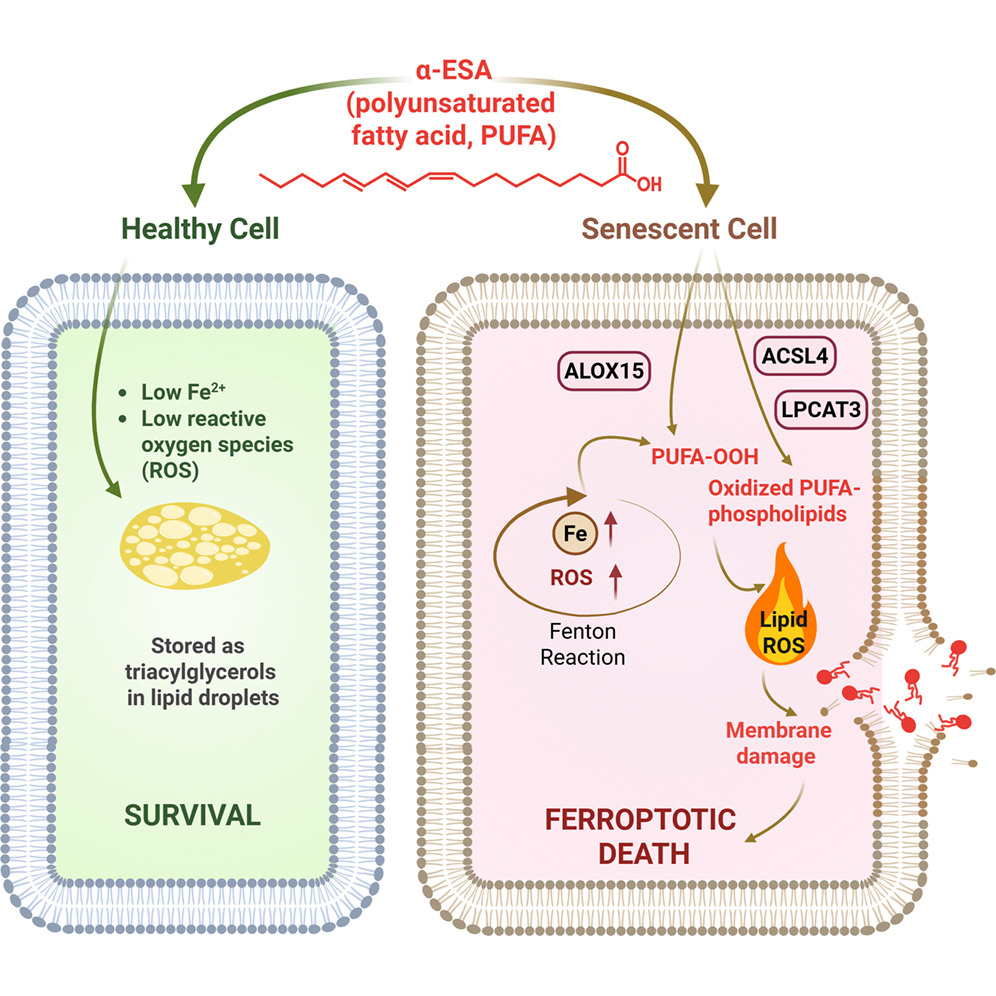
Two Polyunsaturated Lipids Demonstrate Senolytic Activity: A new study identified two polyunsaturated fatty acids, α-eleostearic acid (α-ESA) and α-ESA methyl ester (α-ESA-me), that showed senolytic activity in cell cultures and a mouse model.

MitochondriaMitochondria Delivery Method Rescues Parkinson’s in Mice: Scientists used red blood cells as membrane donors to encapsulate healthy mitochondria and send them into diseased cells, achieving improvements across multiple models and conditions.

How a Growth Factor and SIRT1 Might Combat Disc Degeneration: Researchers publishing in Aging Cell have discovered that using FGF21 to upregulate the sirtuin SIRT1 delays spinal disc degeneration in a rat model.

Immune cellsModified Immune Cells Target Cancer’s Metabolic Signature: Arming NK and T cells with metabolite-sensing receptors enhances their ability to infiltrate tumors and improves cancer outcomes in mice.

Human microphysiological systems of aging recreate the in vivo process expediting evaluation of anti-geronic strategies: This chip recapitulates, in 4 days, aging-associated hallmarks that occur after decades of aging in people, including gene expression shifts and oxidative DNA damage.

Ultrasonic exposure enhances the body’s antioxidant capacity: This study is the first in the world to demonstrate enhanced antioxidant capacity in vivo through non-invasive intervention using ultrasound.

Lifelong behavioral screen reveals an architecture of vertebrate aging: These researchers suggest that aging involves discrete life stages rather than a gradual, continuous decline.

A hierarchy of causes of death in senescent C. elegans: Late-life pathologies can compete in a hierarchical fashion to cause death, such that removal of one cause of death can unmask another.

The glycolytic metabolite phosphoenolpyruvate restricts cGAS-driven inflammation to promote healthy aging: Here, the researchers show that phosphoenolpyruvate (PEP), a glycolytic metabolite, acts as a protective factor against age-related chronic inflammation.

A global metagenomic atlas of aging identifies a microbiota phase transition associated with disease risk: Overall, the global gut microbiome atlas uncovers a critical age transition phase, highlighting opportunities for microbiota-based therapies and offering novel insights into evolutionary dynamics during aging.

Astaxanthin, meclizine, mitoglitazone, pioglitazone, alpha-ketoglutarate, mifepristone, methotrexate, and atorvastatin-telmisartan do not increase lifespan in UM-HET3 mice: Despite prior evidence suggesting lifespan benefits, none of these tested compounds significantly increased lifespan in male or female mice.

Restoring circadian rhythms in the hypothalamic paraventricular nucleus reverses aging biomarkers and extends lifespan in male mice: Age-related circadian disruptions accelerate physiological decline and shorten lifespan. Enhancing circadian amplitude has emerged as a promising strategy for ameliorating age-associated disorders.

Metabolomic signatures of extreme old age: findings from the New England Centenarian Study: These results highlight metabolic pathways that may be targeted to promote metabolic resilience and healthy aging.

Comparing fourteen consensus biomarkers of aging: epigenetic pace of aging as the strongest predictor of mortality in BASE-II: In adjusted models of all-cause mortality, HGS, IL-6, standing balance, cognitive health, and the epigenetic clock (DunedinPACE) statistically significantly predicted mortality, with DunedinPACE emerging as the strongest predictor.

Biologically Younger Individuals, as Identified by MARK-AGE Biological Age Scores, Display a Distinct Favourable Blood Chemistry Profile Regardless of Age: These researchers discovered a dichotomy of correlations that may point to different roles of such markers: drivers versus bystanders of aging.

Longitudinal changes in epigenetic clocks predict survival in the InCHIANTI cohort: These findings suggest that dynamic changes in epigenetic aging reflect evolving health status and may serve as sensitive indicators for interventions aimed at extending healthspan and longevity.

Effects of daily multivitamin–multimineral and cocoa extract supplementation on epigenetic aging clocks in the COSMOS randomized clinical trial: Although the statistically significant but small effects of daily MVM supplementation on slowing biological aging are encouraging, additional studies are needed.

Inosine promotes erythrocyte metabolic reprogramming and restores oxygen release for rejuvenation via 2,3-BPG-PNP axis: Impaired glucose metabolic reprogramming resulting from decreased BPGM activity underlies red blood cell bioenergetic decline and is a novel hallmark of aging.

Vitamin C inhibits ACSL4 to alleviate ferro-aging in primates: This work establishes iron-related aging (ferro-aging) as a core, targetable mechanism of primate aging and positions vitamin C as a translatable geroprotective strategy.

Dietary rhythms and biological aging risk across multiple organs: This study revealed optimal meal timing and duration differ for biological aging across different organs, ages, genders, disease status, energy intake, and dietary quality.

Biological evidence of the life expectancy limit in human aging: The life expectancies of many countries are expected to reach the Japanese life expectancy of 87.5.

Avoidance of rejuvenation: a stress test for evolutionary theories of aging: With data from eusocial insects that can rejuvenate, the researchers present the idea that the avoidance of such rejuvenation is poorly explained by classic theories of aging in their standard formulations.

Aging is not a disease: an evolutionary and comparative biological reappraisal: Maintaining a clear conceptual distinction between time-dependent biological remodeling and pathological dysfunction may provide a more coherent basis for both scientific inquiry and therapeutic development.

News Nuggets

Healthspan HorizonsBuck Institute Launches Healthspan Horizons: Healthspan Horizons is a new initiative designed to address one of the most urgent challenges in modern medicine: how to measure, understand, and extend healthspan.

BioAge Labs Provides Business Updates: BioAge provided financial results for the full year ended December 31, 2025 and business updates for the fourth quarter ended December 31, 2025.

RubedoRubedo Announces Positive Preliminary Results for RLS-1496: Rubedo announced preliminary results from a single-center, ascending-dose, randomized, double-blind, vehicle-controlled trial in patients with plaque psoriasis, atopic dermatitis, and skin aging.

Coming Up

Vitalist Bay 2026 Returns to Berkeley May 14–17: The Vitalism Foundation announces Vitalist Bay 2026, the world’s largest longevity festival, returning to the Lighthaven Campus in Berkeley, California from May 14–17, 2026.

LongX LogoXplore Program 2026: A Remote Summer Fellowship in Longevity: For the third summer in a row, Longevity Xplorer (LongX) is opening applications for the Xplore Program, a fully remote summer fellowship designed to help students and early-career professionals translate interest in longevity into practical experience.

Neuroscience of Vitality and Aging Conference in Boston: The Neuroscience of Vitality and Aging (NOVA) Conference is bringing together leaders from across neuroscience, biotechnology, policy, and investment to examine one of the most urgent questions in medicine today: how to preserve brain health across the lifespan and accelerate progress against neurodegenerative disease.

We would like to ask you a small favor. We are a non-profit foundation, and unlike some other organizations, we have no shareholders and no products to sell you. All our news and educational content is free for everyone to read, but it does mean that we rely on the help of people like you. Every contribution, no matter if it’s big or small, supports independent journalism and sustains our future.

Immune cells

Modified Immune Cells Target Cancer’s Metabolic Signature

Arming NK and T cells with metabolite-sensing receptors enhances their ability to infiltrate tumors and improves cancer outcomes in mice in a new study [1].

How to get immune cells into the tumor?

One of the central challenges in cancer immunotherapy is getting the right immune cells to the right place. Natural killer (NK) cells and cytotoxic T cells can recognize and destroy cancer cells, but even when artificially enhanced, such as by being armed with chimeric antigen receptors (CARs), these cells often fail to rein in solid tumors [2].

One reason is that the immune cells have trouble getting in, since solid tumors are surrounded by a hostile microenvironment that creates physical and biochemical barriers to immune cell entry. Tumors also actively suppress the signaling pathways used by immune cells to home on their targets [3]. In a new study from Stanford University, published in Nature Immunology, the researchers attempted to address this “targeting problem.”

Targeting metabolites

First, they ran an unbiased gain-of-function search for which receptors, if artificially switched on in killer cells, would cause those cells to migrate into tumors. The search targeted 256 candidate genes derived from two separate datasets. NK cells expressing any of eight receptors – GPR183, GPR84, GPR34, GPR18, LPAR2, FPR3, C5AR1, and CXCR2 – were consistently found at higher rates inside tumors than in reference tissues across all breast cancer models. Six of these also appeared in the ovarian cancer screen. A larger follow-up screen of over 5,500 genes in the ovarian cancer model again returned GPR183 and GPR84 as top hits.

Notably, only one chemokine receptor (CXCR2) appeared as a hit. Chemokines are signaling proteins that are often suppressed by cancer cells in an attempt to fool the immune system, which might be a reason why only one of them made it to the top-hit list. GPRs, on the other hand, are a large group of metabolite-sensing receptors. Tumor metabolism is usually very different than that of healthy tissues. The top-hit receptors reacted to those “metabolic idiosyncrasies,” causing the NK cells to home on their sources.

To specifically test directed migration toward a chemical gradient (chemotaxis) and infiltration, the authors ran two ingenious in vitro screens using cancer breast cancer cells and three-dimensional spheroids – miniature tumor-like structures. All GPRs were among the top 10 hits, confirming that NK cells expressing these receptors actively migrate toward factors secreted by cancer cells and effectively infiltrate spheroids. GPR183 was consistently at the top.

GPR signaling was also found to alter gene expression. GPR183 activation caused dramatic transcriptional remodeling, but only in the presence of its ligand. This ligand dependence means that GPR183 functions as a conditional switch, only altering cell behavior when the ligand is present – such as in a tumor environment.

Improved survival in breast cancer

Next, the authors tested whether the improved infiltration actually translates to better therapeutic outcomes. Mice bearing subcutaneous triple-negative breast cancer xenografts received weekly intravenous injections of either control NK cells or GPR183-overexpressing NK-92 cells. The latter significantly delayed tumor growth compared to both untreated mice and control NK cells.

To test the combination of tumor targeting (via CAR) and migration enhancement (via GPR183), the authors built a CAR targeting a surface antigen broadly expressed on breast cancer cells. GPR183-overexpressing CAR NK cells produced much better control of tumor growth than control CAR NK cells and significantly improved survival. The team achieved similar results with T cells from different human donors.All prior in vivo experiments used immunocompromised NSG mice, which lack functional mouse immune cells. This means that any interference – beneficial or harmful – from the host’s own immune system was absent.

To address this, the authors moved to a fully immunocompetent mouse model of breast cancer. The mouse homolog Gpr183 was introduced into mouse T cells, and these cells significantly delayed tumor growth and prolonged survival compared to control T cells. 7 out of 10 mice achieved complete responses (tumor elimination), compared to only 3 out of 10 in the control group.

“We found that when we equip immune cells with receptors that sense metabolites released by cancer cells, they can sense the tumor, migrate toward it, infiltrate it and control tumor growth, which markedly enhances the survival of mice with human breast and ovarian cancers,” said Livnat Jerby, Ph.D., assistant professor of genetics and the senior author of the paper.

“Surprisingly, we didn’t see many chemokine receptors among the winners,” she added. “What came up were receptors that recognize bioactive, chemoattracting metabolites that have not been studied nearly as much in the context of cell engineering and tumor immunology. To the best of our knowledge, no one has tried to use cancer metabolism, a hallmark of drug resistance and aggressive tumor growth, to attract cancer-killing immune cells to the tumor, but our study uncovered the potential of this approach, and the results are quite promising.”

We would like to ask you a small favor. We are a non-profit foundation, and unlike some other organizations, we have no shareholders and no products to sell you. All our news and educational content is free for everyone to read, but it does mean that we rely on the help of people like you. Every contribution, no matter if it’s big or small, supports independent journalism and sustains our future.
Literature

[1] Kim, Y. M., Tsai, M. K., Sun, C., Laveroni, O., Akana, R. V., Frombach, K., & Jerby, L. (2026). Engineering NK and T cells with metabolite-sensing receptors to target solid tumors. Nature Immunology, 1-14.

[2] Marofi, F., Motavalli, R., Safonov, V. A., Thangavelu, L., Yumashev, A. V., Alexander, M., … & Khiavi, F. M. (2021). CAR T cells in solid tumors: challenges and opportunities Stem cell research & therapy, 12(1), 81.

[3] Joyce, J. A., & Fearon, D. T. (2015). T cell exclusion, immune privilege, and the tumor microenvironment. Science, 348(6230), 74-80.

Lower back pain

How a Growth Factor and SIRT1 Might Combat Disc Degeneration

Researchers publishing in Aging Cell have discovered that using FGF21 to upregulate the sirtuin SIRT1 delays spinal disc degeneration in a rat model.

A common cause of lower back problems

Intervertebral disc degeneration (IDD) is one of the core reasons for lower back pain in older people. This nearly ubiquitous problem is a frequent target of anti-aging interventions, and we have reported on previous work in this area, which focused on a specific, senescence-related signaling pathway.

This paper, however, takes a different approach. While it also focuses on cellular senescence, it looks into the effects of FGF21, a growth factor that declines with aging and that has been reported to fight against sarcopenia. These researchers note that it has been found to have several other benefits, including slowing thymic involution [1] and, critically for this paper, improving mitophagy [2], a maintenance process that involves the consumption of damaged mitochondria.

Rather than using naturally aged rats, these researchers used a rat model of IDD, which was induced by puncturing their vertebrae under anaesthesia. Compared to a sham-operated group, the affected rats had considerable disorganization of the nucleus pulposus (NP) tissues that are vital for disc integrity along with significant fibrosis. Senescence biomarkers, including p16 and p21, were upregulated in this group, and FGF21 was significantly downregulated.

This matched data from NP tissues derived from human donors. The more degenerated samples had increased fibrosis, reduced cellular counts, increased cellular senescence markers, and fewer of the proteoglycans that are necessary for proper function of spinal discs. While FGF21 was not found to be an independent risk factor, which the researchers suggested was due to the small sample size (n = 26), it was strongly correlated with both age and symptom severity.

The researchers then looked into administering FGF21 directly into an NP cell culture. After the cells were stressed using TBHP, a low dose of FGF21 (50 ng/mL) was found to have modest benefits for cellular senescence markers, and a higher dose (200 ng/mL) was found to have more substantial benefits, reducing p16, p21, p53, and the key senescence marker SA-β-gal. This treatment also restored natural antioxidant production and the creation of ATP, which are both reduced in these cells under TBHP stress. The researchers found similar results when exposing the cells to the inflammatory factor IL-1β.

Finding the causal links

Compared to cells treated with TBHP alone, cells that were also treated with FGF21 were found to have substantial gene upregulations in autophagic maintenance processes, including mitophagy. In both humans with IDD and their rat model, the researchers noted that such autophagic markers were diminished. A closer look at the treated NP cells found that mitochondria in the TBHP-only cells are swollen and perform minimal mitophagy, while FGF21 restores some of this capacity.

The researchers hold that this process is specifically how FGF21 fights senescence in these cells. To confirm this finding, they administered a mitophagy inhibitor, Mdivi-1, alongside TBHP and FGF21, to NP cells. As they expected, suppressing mitophagy nullified the effects of FGF21, as did knocking down the mitophagy-related gene Drp-1.

Further experiments found that the PINK1-Parkin pathway was also necessary for FGF21 to upregulate mitophagy; when either of these factors was interfered with, the effects of FGF21 on both mitophagy and senescence were severely attenuated. The researchers also discovered that the sirtuin SIRT1, which is downregulated in both human IDD and this rat model, was also upregulated by FGF21. Another series of cellular experiments found the causal pathway: in these NP cells, FGF21 upregulates SIRT1, which then engages the PINK1-Parkin pathway to stimulate mitophagy and ameliorate cellular senescence.

With these results in hand, the researchers then returned to their rat model. While FGF21 did not fully ameliorate the symptoms of IDD, it substantially improved NP tissue morphology, partially restoring proteoglycans and restoring some of the discs’ size. Knocking down SIRT1 prevented these benefits from occurring.

These results are from an induced-IDD rat model, and naturally aged rats were not tested. However, the researchers have discovered a clear causal chain that occurs in NP cells. Further work will need to be done to determine if these results apply to naturally aged organisms and to human beings.

We would like to ask you a small favor. We are a non-profit foundation, and unlike some other organizations, we have no shareholders and no products to sell you. All our news and educational content is free for everyone to read, but it does mean that we rely on the help of people like you. Every contribution, no matter if it’s big or small, supports independent journalism and sustains our future.

Literature

[1] Youm, Y. H., Gliniak, C., Zhang, Y., Dlugos, T., Scherer, P. E., & Dixit, V. D. (2025). Enhanced paracrine action of FGF21 in stromal cells delays thymic aging. Nature Aging, 5(4), 576-587.

[2] Ma, Y., Liu, Z., Deng, L., Du, J., Fan, Z., Ma, T., … & Zhang, Y. (2024). FGF21 attenuates neuroinflammation following subarachnoid hemorrhage through promoting mitophagy and inhibiting the cGAS-STING pathway. Journal of Translational Medicine, 22(1), 436.

Rubedo

Rubedo Announces Positive Preliminary Results for RLS-1496

Rubedo Life Sciences, Inc. (Rubedo), an AI-driven, clinical-stage biotech focused on discovering and rapidly developing selective cellular rejuvenation medicines targeting aging cells, today announced preliminary results from a single-center, ascending-dose, randomized, double-blind, vehicle-controlled trial in patients with plaque psoriasis, atopic dermatitis, and skin aging (photo-aged skin). The recently completed Phase 1 clinical trial, conducted in the European Union, was designed to assess the safety, tolerability, clinical effects, plasma bioavailability, and pharmacodynamics of topical RLS-1496—the first-ever GPX4 (selective glutathione peroxidase 4) modulator to be studied in human trials, and the first specifically targeting cellular rejuvenation, an area of great interest to the scientific community as a new therapeutic pathway. The study met its primary endpoint, with RLS-1496 also demonstrating early signs of efficacy.

“We are excited by the potential of this treatment with the clinical and biomarker changes we have observed already.” – Rubedo CEO Frederick Beddingfield, III, MD, PhD, FAAD.

Preliminary Trial Results

  • RLS-1496 was well-tolerated, with no serious adverse events (AEs) and no discontinuations due to AEs or tolerability issues during the 4-week study
  • In psoriasis patients:
    • Clear dose-response seen during the trial (0.1%, 0.5%, and 1.0%); all doses were well-tolerated so only 1.0% dose will be evaluated moving forward
    • Dose-related target engagement of RLS-1496 and GPX4
    • Overall reduction in senescent cells seen with RLS-1496 in the mid- and high-dose cohorts
    • Some subjects treated with RLS-1496 had a reduction of senescent cells, which was associated with a reduction of inflammatory cytokines such as IL-19 and S100A7; this reduction was not seen in the vehicle cohort
    • An average 20% reduction in epidermal thickness was observed on histology in subjects treated with RLS-1496 for one month
    • A statistically significant relationship was seen between target engagement and improvement in clinical psoriasis severity
  • In atopic dermatitis patients:
    • Even higher levels of target engagement and substantial clinical improvement were seen in atopic dermatitis subjects on RLS-1496
    • After one month of treatment, 25% of subjects on RLS-1496 had a >/=4-point change in pruritus (or itching) on the numeric rating scale (NRS); no vehicle subjects had a 4-point or more change on the NRS
  • Early photo-aging data show:
    • Dose-dependent target engagement in non-lesional photo-aged skin
    • Histology, proteomics, and spatial transcriptomics indicate that collagen gene and protein expression increase with treatments over time, in particular, spatial transcriptomics shows an effect in dermal fibroblasts
    • Spatial transcriptomics show indication that SASPs and inflammatory biomarkers decrease with treatments over time in keratinocytes

“We’re pleased by the positive safety and tolerability seen in the trial, with the additional preliminary results exceeding our expectations by showing very promising and clinically meaningful results across multiple measures including histologic, cellular, biomarker, and clinical evaluations in psoriasis, atopic dermatitis, and photo-aged skin,” said Rubedo CEO Frederick Beddingfield, III, MD, PhD, FAAD. “It’s uncommon to see clinical effect in a Phase 1 dermatology study given the shorter study duration and smaller sample size, and we are excited by the potential of this treatment with the clinical and biomarker changes we have observed already.”

Dr. Beddingfield will preview these results during a panel he will moderate on senescence and skin at the Dermatology Innovation Forum (DIF) during the American Academy of Dermatology annual meeting on Thursday, March 26, at 1:05 pm MT in Denver. Additional results from this trial will be presented during an oral presentation at the Society for Investigative Dermatology (SID) from May 13-16, 2026, in Chicago.

A second study for RLS-1496 – a Phase 1b/2a study in actinic keratosis (precancerous skin lesions) – is underway in the United States with completion expected later this year. In both trials, all subjects have their photo-aged skin treated with RLS-1496 in addition to their lesional skin relating to their medical condition. From these trials, Rubedo expects to obtain a large dataset on the treatment of aging skin from approximately 70 subjects.

Rubedo Chief Scientific Officer and Founder Marco Quarta, PhD, said, “This is one of the first comprehensively evaluated trials of a senotherapeutic drug that targets aging pathologic cells and regenerates healthy cells, and also the first human trial of a GPX4 modulator. These preliminary results show the drug working mechanistically as expected and even better than should be expected clinically in a 4-week trial. We are excited for the upcoming comprehensive results from this trial, as well as the results of the ongoing trial in actinic keratosis.”

About RLS-1496 and GPX4 Modulation

Rubedo’s lead candidate RLS-1496, being developed for topical and oral administration, is a potential first-in-class, disease-modifying GPX4 modulator selectively targeting pathologic senescent or “aged” cells that drive chronic degenerative diseases and conditions associated with biological aging processes. These include immunology and inflammation (I&I), dermatology and skin aging, metabolic syndrome (obesity, diabetes, liver fibrosis), sarcopenia, and neurodegenerative disease.

In certain pathologic cells, aging is associated with an imbalance in GPX4. Modulation of GPX4 sensitizes cells to ferroptosis, which is a type of programmed cell death and is believed to be an Achilles heel of senescent cells. By modulating GPX4 in ferroptosis-sensitive senescent “aged” cells, RLS-1496 may be able to clear these cells to not only fight disease, but also support healthy cells to function properly and restore tissue homeostasis. Beyond its targeted senolytic function in triggering selective ferroptosis within pathological senescent cells, RLS-1496 could also act as a restorative modulator that induces a vital ‘redox-reset’ in stressed neighboring cells, effectively clearing the source of chronic inflammation while actively re-establishing healthy tissue homeostasis.

RLS-1496 uses Rubedo’s proprietary, AI-driven drug discovery platform ALEMBIC™, which identifies targets within pathologic senescent cells and develops selective cellular rejuvenation medicines for these targets.

About Rubedo Life Sciences

Rubedo Life Sciences is a clinical-stage biotech developing a broad portfolio of innovative selective cellular rejuvenation medicines targeting aging cells that drive chronic age-related diseases. Our proprietary AI-driven ALEMBIC™ drug discovery platform is developing novel first-in-class small molecules to selectively target pathologic and senescent cells, which play a key role in the progression of pulmonary, dermatological, oncological, neurodegenerative, fibrotic, and other chronic disorders. Our lead drug candidate – RLS-1496, a potential first-in-class disease-modifying GPX4 modulator – is currently in Phase I clinical trials. The Rubedo leadership team is composed of industry leaders and early pioneers in chemistry, AI technology, longevity science, and life sciences, with expertise in drug development and commercialization from both large pharmaceutical and leading biotechnology companies. The company is headquartered in Mountain View, CA, USA, and has offices in Milan, Italy. For additional information, visit www.rubedolife.com.

We would like to ask you a small favor. We are a non-profit foundation, and unlike some other organizations, we have no shareholders and no products to sell you. All our news and educational content is free for everyone to read, but it does mean that we rely on the help of people like you. Every contribution, no matter if it’s big or small, supports independent journalism and sustains our future.
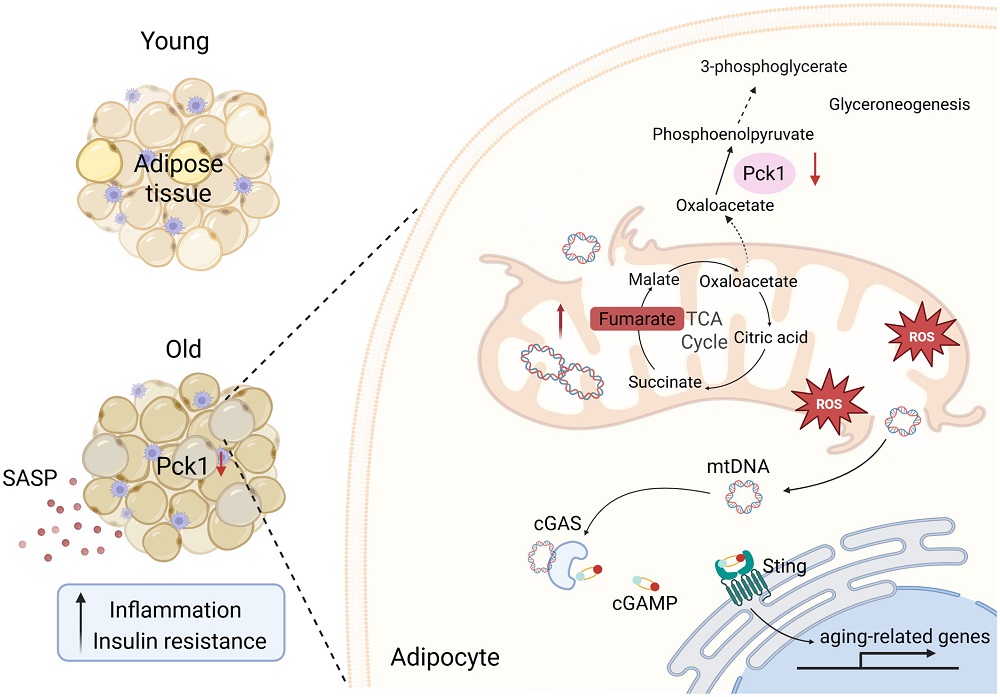
Mitochondria

Mitochondria Delivery Method Rescues Parkinson’s in Mice

Scientists used red blood cells as membrane donors to encapsulate healthy mitochondria and send them into diseased cells, achieving improvements across multiple models and conditions [1].

The delivery problem

Mitochondrial diseases are a diverse group of disorders that arise when mitochondria malfunction. They are often caused by mutations in mitochondrial DNA (mtDNA) itself or in nuclear genes encoding mitochondria-related proteins.

Mitochondrial dysfunction is also considered one of the hallmarks of aging – no wonder, given that mitochondria are the main source of energy for most cellular processes. When mitochondria falter due to accumulating mutations or persistent damage, such as oxidative stress, no tissue or organ is safe. Parkinson’s disease is a prominent example of a neurodegenerative disease in which mitochondrial dysfunction plays a central role [2].

If only we could deliver healthy, functional mitochondria into diseased cells! However, researchers pursuing this enticing idea have encountered multiple hurdles. Physical approaches like optical tweezers or photothermal nanoblades can transfer mitochondria with precision, but only into a tiny number of cells, while simply injecting free-floating mitochondria into the bloodstream has produced only modest effects [3].

Success in a dish

In this new study published in Cell, a group of Chinese scientists attempted to solve this problem by encapsulating healthy mitochondria in cellular membranes taken from red blood cells (erythrocytes), hoping that this would protect mitochondria while in the bloodstream and facilitate their uptake by recipient cells. Conveniently, erythrocytes are just plasma membranes with no other organelles inside, which makes them an ideal and clinically safe source of membrane material.

Mitochondria were isolated from donor cells, mixed with erythrocyte plasma membranes from mice or humans, and allowed to self-assemble into capsule-like structures. Mitochondria inside the capsules showed two improved markers of mitochondrial function, higher membrane potential and higher ATP levels, than free mitochondria, suggesting the packaging actually preserves or enhances mitochondrial health.

Capsules containing fluorescently labeled donor mitochondria were then incubated with acceptor cells. Time-lapse videos showed donor mitochondria entering cells through membrane fusion. By 48 hours, donor mitochondria fused with the cell’s endogenous mitochondrial network, with about 80% of acceptor cells acquiring donor mitochondria.

Transplanted mitochondria maintained normal membrane potential, and donor mtDNA reached 71% of the total mtDNA pool. Critically, capsule-mediated delivery was dramatically more efficient than delivering free mitochondria.

In the next experiment, rho zero (ρ0) cells, which have been deliberately depleted of all their mtDNA, were treated. These cells can survive in supplemented culture, but they have severely impaired mitochondrial function.

Donor mitochondria entered ρ0 cells in large numbers, and mitochondrial morphology recovered from swollen (a sign of dysfunction) to normal tubular forms. MtDNA levels were restored to near-normal and persisted for at least 21 days. mtDNA-encoded transcripts and proteins were detected, confirming the DNA was being read and translated.

Next, the researchers treated GM04516 cells – human fibroblasts with a large fragment deletion in mtDNA – with capsules loaded with mitochondria from normal human fibroblasts. 86% of patient cells acquired donor mitochondria. The proportion of mtDNA carrying the deletion fell from 14.4% to 2.67%, while oxygen consumption, ATP production, and cell viability increased.

The team then treated human fibroblasts harboring m.3243A>G, the most common pathogenic mtDNA point mutation, which causes mitochondrial encephalomyopathy, lactic acidosis, and stroke-like episodes (MELAS) and a range of other syndromes. The mutation rate fell from 92.6% to 73.3%, while mitochondrial protein levels increased. The reduction was smaller than in the deletion model, but cells usually tolerate mitochondrial dysfunction until the fraction of mutant mtDNA exceeds a critical threshold (typically 60-90%, depending on the mutation and cell type).

Improvements in Leigh and Parkinson’s models

The researchers then moved to in vivo experiments, injecting mitochondrial capsules into mice via different routes: intramuscular injection, direct injection into the substantia nigra (a region of the brain important for movement control), and intravenous injection. They also performed intramuscular injection in two cynomolgus monkeys.

After intramuscular injection, transplanted mitochondria were detected in surrounding muscle tissue, after direct brain injection, they were found in both the substantia nigra and cortex, and after IV injection, donor mitochondria were distributed systemically. In cynomolgus monkeys, mitochondria were successfully delivered to muscle tissue.

Next came the turn of mice with a severe Leigh syndrome phenotype. In humans, it is a rare and fatal inherited mitochondrial disorder, usually appearing in infancy and resulting in death within few years. Median survival increased from 48.5 days (untreated) to 61 days (free mitochondria) to 74 days with mitochondrial capsules – impressive in a model with a severe, fully penetrant phenotype.

The big test was a mouse model of Parkinson’s disease. The animals received a toxin that caused mitochondrial dysfunction and cell death specifically in dopaminergic neurons, and then IV injections of mitochondrial capsules twice weekly for one month. The number of functioning dopaminergic neurons was significantly rescued by the treatment. Behavioral testing showed substantial reversal of bradykinesia, the slow movement that is characteristic of Parkinson’s.

The researchers confirmed improvement of mitochondrial function. The effects persisted for at least three months after treatment – the timeframe of the experiment. Free mitochondria failed to produce comparable effects at the same dose and schedule.

Finally, rather than systemic IV injection, the authors injected mitochondrial capsules directly into the substantia nigra. A single intracerebral injection produced a high local abundance of transplanted mitochondria in both the substantia nigra and cortex, significant neuron recovery, and improvements in motor behavior and mitochondrial function. This shows that targeted delivery can achieve therapeutic effects with a minimal number of doses, and that the IV results did not come from a systemic (such as anti-inflammatory) effect.

We would like to ask you a small favor. We are a non-profit foundation, and unlike some other organizations, we have no shareholders and no products to sell you. All our news and educational content is free for everyone to read, but it does mean that we rely on the help of people like you. Every contribution, no matter if it’s big or small, supports independent journalism and sustains our future.

Literature

[1] Du, S., Long, Q., Zhou, Y., Fu, J., Wu, H., Yang, L., … & Liu, X. (2026). Transplantation of encapsulated mitochondria alleviates dysfunction in mitochondrial and Parkinson’s disease models. Cell.

[2] Schapira, A. H. V., Cooper, J. M., Dexter, D., Clark, J. B., Jenner, P., & Marsden, C. D. (1990). Mitochondrial complex I deficiency in Parkinson’s disease. Journal of neurochemistry, 54(3), 823-827.

[3] Nakai, R., Varnum, S., Field, R. L., Shi, H., Giwa, R., Jia, W., … & Brestoff, J. R. (2024). Mitochondria transfer-based therapies reduce the morbidity and mortality of Leigh syndrome. Nature metabolism, 6(10), 1886-1896.

Drug Development

Cellular Senescence and Senotherapeutics: The Expert Roundup

Cellular senescence, a state in which cells stop dividing but resist dying, accumulating in tissues over time, has emerged as one of the most promising targets in longevity medicine. Senescent cells actually serve important roles in development, wound healing, and cancer prevention, but as they accumulate with age or pathology, they become harmful: they secrete the senescence-associated secretory phenotype (SASP), a cocktail of pro-inflammatory factors, driving chronic inflammation, fibrosis, and tissue dysfunction, and “infecting” neighboring cells with senescence.

The seminal 2011 Baker et al. study showed that clearing senescent cells could extend healthspan in INK-ATTAC mice, giving rise to an entirely new therapeutic category. Since then, senolytics, which selectively kill senescent cells, and senomorphics, which modulate the SASP or reprogram senescent cells, have become major areas of research and investment.

The field is now transitioning from preclinical promise to clinical reality, with several companies advancing candidates into human trials across indications such as fibrosis, dermatology, and metabolic disease. However, significant challenges remain, including the lack of standardized biomarkers, the heterogeneity of senescent cell populations, and questions about safety and long-term efficacy. Some experts go as far as questioning the senescence paradigm itself. There have also been notable failures of senolytics in clinical trials, which has somewhat cooled down interest in the field.

We asked four leaders of senescence-focused biotech companies to discuss what drew them to the field, what makes their approaches unique, the obstacles they face on the path to the clinic, and what senotherapeutics might ultimately achieve for human health.

What do you find most compelling about senolytic/senomorphic therapies, and what convinced you that this path was worth pursuing seriously?

Marco Quarta, Co-Founder and CEO, Rubedo Life Sciences

What I find most compelling about senolytic and senomorphic therapies is their potential to address a root cause of aging. Cellular senescence is a causal driver of multiple chronic diseases, offering a rare medicinal opportunity to intervene upstream at a fundamental biological level rather than merely treating downstream symptoms.

My conviction grew from evidence showing how senescent cells actively orchestrate inflammation, fibrosis, and stem cell dysfunction. Recognizing that this biology is a major translational frontier led us to develop RLS-1496 at Rubedo. This first-in-class GPX4-modulating senotherapeutic emerged from ALEMBIC, our AI-driven multi-omics platform.

Seeing RLS-1496 progress into clinical trials across the U.S. and Europe has been the ultimate proof point. It transforms a fascinating scientific concept into a clinically actionable reality. For me, this confirms that the field is ready to move beyond discovery and into the lives of patients.

Lorna Harries, Professor of Molecular Genetics, University of Exeter; Founder, SENISCA

I first started thinking seriously about senescence as a drug target when the data emerged from the initial INK-ATTAC mouse studies. Until then, although there was evidence that these cells were deleterious, conclusive proof that they were drivers of aging rather than passengers was lacking. The work showing that removal of senescent cells improved functionality in multiple organ systems was very persuasive.

Going after the underpinning mechanisms of age-related disease rather than dealing with endpoint consequences is a much more efficient approach to medicine. At the moment, we patch up the consequences of ongoing disease after the event. Because the diseases of aging have common roots, many older people live with several chronic conditions and end up taking multiple drugs that can interact. Treatment is often delivered long after symptom onset, whereas an earlier, more proactive approach would allow us to reduce the drug burden on patients, simplify treatment regimens, and intervene earlier. The evidence base for senescence as a driver of disease is, in my opinion, now unequivocal. I think this is the new frontier of medicine.

Robin Mansukhani, CEO, Deciduous Therapeutics

Senescent cells are a compelling area for novel therapies because they are an upstream, multi-indication target. Senescent cells commonly express multiple fibrotic and inflammatory pathways, whereas most therapies target only a single pathway. These single-target pathways are often well downstream, providing only minimal and heterogeneous benefits. Our data supports senescence as a master regulator in both metabolic and fibrotic diseases.

Moreover, in the context of aging, most patients will have senescence-driven comorbidities. Systemically ablating senescent cells can have multi-indication impacts. Finally, with anti-senescence approaches, a single treatment often has durable effects lasting several months or more. Taken together, we believe an effective and safe anti-senescence approach could be revolutionary.

Adam Freund, Co-Founder and CEO, Arda Therapeutics

What I find most compelling isn’t the ‘senescence’ label, but the clinical power of targeted cell depletion. We’ve seen this work with B cells in autoimmunity, eosinophils in asthma, and myeloid cells in GvHD. If these relatively coarse strategies are effective, then a more targeted approach – the precise removal of only the most pathogenic cell states – likely represents a powerful therapeutic strategy that can be applied across multiple diseases and cell types.

Senescent cells have been postulated to drive multiple diseases, including aging itself, but this senescence hypothesis and its therapeutic corollary – targeting senescent cells for depletion (senolytic) or modulation (senomorphic) – has struggled to translate into patient benefit. This is because the senescence field is built on a paradox: it is simultaneously too narrow in its foundational models and too inclusive in its subsequent definitions.

First, the field anchors on a narrow set of in vitro models that don’t reflect human disease (e.g., DNA damage-induced senescence in fibroblasts) to define senescence markers (e.g., p16, Bcl-2, SA-β-gal, or inflammatory cytokines). Then it shoehorns any in vivo cell expressing a handful of those markers into the senescence bucket.

This creates a spurious framework in which vastly different cell states are deemed biologically related and assumed to play similarly causal roles in disease. In reality, single-cell data show that traditional in vitro models of senescence have little overlap with cell states found in human disease, and the classic markers of senescence are expressed by a multitude of normal cell types and cell states.

The senolytic field has provided preclinical proof of concept that we can safely apply cell-depleting strategies to solid tissues and non-immune cells. This is a significant technical advance. However, the next era of clinical success will come from moving away from this in vitro-defined cell state and instead mapping the unique endogenous cellular architecture of each human disease to identify and surgically eliminate the specific aberrant cell states driving it forward.

How is your company unique in the senescence landscape – what is your technical approach, and why was it chosen?

Marco Quarta

Rubedo is unique because we rejected the idea of senescence as a monolith. Senescent cells are heterogeneous and context-dependent; they are only meaningfully druggable if you understand their specific vulnerabilities. Our philosophy is precision senotherapeutics: identifying functional dependencies and designing selective therapies matched to specific disease biology.

Our technical edge lies in ALEMBIC, which resolves cell heterogeneity at high resolution. This platform allowed us to identify GPX4-related biology as a critical vulnerability in certain senescent states. By focusing on how these stress-adapted cells survive, we can disrupt them with surgical precision.

This is no longer just a discovery story. With RLS-1496 in the clinic, we are validating a novel mechanistic approach. We aim to move the field away from “broad-spectrum” hits toward therapies that are selective, practical, and biologically grounded.

Lorna Harries

I think our work is quite different from other players in the space. There is some amazing work going on in senomorphics, in senescent cell subtype-specific senolytic approaches, in immune rejuvenation, and in epigenetic reprogramming. Our approach is a bit different. We were among the first academic teams to demonstrate that senescence was not irreversible and have been researching the underpinning biology of the systems we are targeting in an academic setting for decades. This has allowed us to identify a novel and unique point of traction that works with the cells’ own biology.

We have a unique single-gene reprogramming approach, distinct from conventional epigenetic reprogramming, that works with the underpinning biology of the genes in question to restore their natural, endogenously regulated gene expression. It’s not an overexpression or a knockdown of genes involved in senescence; it’s a resetting of the cell’s ability to properly regulate them. I wish we could say we chose it, but it’s just what our technology does! We think it will be useful for preservation of cellular function in the correct cellular context, leaving the cells where they are with all the cell-to-cell crosstalk maintained and the correct tissue microenvironment intact.

Robin Mansukhani

It is well understood that an effective immune system can quickly recognize and ablate senescent cells. However, this immune function – specifically that of iNKT cells – becomes compromised over time. First, we did the heavy lifting to understand which immune cells (Natural Killer T cells) were actually responsible for senescence removal. Subsequently, we designed a novel small molecule that specifically restores NKT function, leading to single-dose disease efficacy in metabolic and fibrotic diseases.

Off-target safety issues have been a primary bottleneck in the senescence field. This is because many senolytic therapies are repurposed cancer therapies. As a result, they often target not just senescent cells but also healthy cells for removal based on non-specific anti-apoptotic pathways. Our approach is to restore endogenous immune pathways. Additionally, we have not observed any safety issues even at 30x the efficacious dose.

Adam Freund

Most companies in the senescence space are built on a “senescence-first” hypothesis: starting with senescent cell markers and then searching for diseases where those markers are expressed. However, as discussed above, single-cell data demonstrate that the classic in vitro senescence phenotype does not occur in most diseased human tissues, and indexing on markers identified in artificial models has led to repeated translational failures across the industry.

Arda’s approach is fundamentally “disease-first.” Rather than searching for senescent cells, Arda’s platform identifies and targets disease-driving cell states, irrespective of their relationship to traditional senescence markers.

We leverage a high-resolution discovery engine to pinpoint the specific cell populations most clearly linked to causal involvement in disease. By combining large-scale, multi-modal single-cell transcriptomics with human genetics and disease biomarkers, we identify pathogenic cell states at a granular level. Once a pathogenic state is identified, we integrate transcriptomic and proteomic data to nominate high-fidelity surface markers, enabling the design of therapies that offer selective and sensitive depletion of target cells while sparing healthy tissue.

This cell-centric approach yields more tractable and durable interventions. Instead of attempting to tune individual pathways or unravel complex and redundant intracellular signaling, we eliminate the dysregulated cells themselves. This “reset” of the tissue microenvironment bypasses the limitations of molecular modulation via a mechanism of action that removes the source of the pathology.

What is your strategy for bringing your therapy to the clinic, including target indications and work with partners and regulators?

Marco Quarta

Our strategy focuses on indications where senescence is measurable and clearly pathogenic, such as dermatology and fibrotic disease. For RLS-1496, we utilized a unique design, skipping healthy volunteers to test the drug directly on various patient groups in a “basket trial.” By testing both chronic skin lesions and healthy skin, we are simultaneously evaluating effects on disease and skin aging.

This approach treats the skin as a “fast track” validation gateway for future systemic expansion. We also prioritize regulatory alignment and early engagement with the FDA and EMA. One of the major bottlenecks is the lack of standardized biomarkers, which is why I am involved with the Phaedon Institute to build a shared translational framework.

Partnerships are central to this. We work with academic and industry leaders to ensure our data is robust. If the field is to succeed, we need not only strong drugs but also a clear, unified path for how senescence is measured and interpreted in humans.

Lorna Harries

Like other approaches that target senescence, our technology has the potential to impact multiple age-related diseases and beyond. Our early market research indicated opportunities in several applications, including medicine and cosmeceuticals, and we have exploited both. We are developing oligonucleotide therapeutics for aging diseases, initially idiopathic pulmonary fibrosis (IPF), because it’s a bona fide senescence disorder, designated as a rare disease (and thus eligible for orphan drug designation), and there is a real clinical need. We see this very much as a gateway indication, though: proof of concept in this area will open the doors to other diseases.

The barrier for wider expansion is not “does the drug work” but “can we deliver it.” Oligonucleotides have several important advantages over a conventional small-molecule approach in that you can drug the undruggable in a precise and targeted manner. Off-target profiles and drug tolerability are often much cleaner than with small molecules. The challenge is getting them where they need to be. We have tried our lead asset in multiple different cell lineages and know it works in cells from the skin, lung, brain, joint, and eye. We made an early strategic decision to focus on diseases where local delivery was possible for an earlier clinical win. In the longer term, as the technology evolves, we fully intend to move into diseases that require more complex delivery.

In the medical aesthetics space, we have been very successfully partnered with a global leader in the cosmeceutical space to deliver new skin health options, which has validated our technology and will provide human in vivo proof of concept.

Robin Mansukhani

We focus on senescence-driven indications such as lung fibrosis and various metabolic diseases. As these are comorbidities, we plan to collect multiple disease readouts in our first clinical studies. Our goal is not just to produce an effective therapy for removing senescent cells but, more importantly, to demonstrate a significant improvement over the current standard of care in the specific disease indication. In the future, we also plan to test age-related cancers, autoimmune disorders, and genetic disorders.

Adam Freund

We are pursuing precision cell depletion across multiple inflammatory and immunological indications, with an initial focus on fibrosis. Each program is optimized for its specific disease context, including target selection, molecule design, and clinical and regulatory strategy.

How close do you think we are to seeing multiple approved senolytic/senomorphic therapies, and what most limits the pace of progress today?

Marco Quarta

We are significantly closer to approved therapies than we were even three years ago. The shift from “conceptual excitement” to “mechanical execution” is evident as novel senolytic mechanisms like GPX4 modulation and novel senomorphic mechanisms like PAI-1 inhibitors have entered the clinic and are advancing to Phase 2 studies. However, the pace is still limited by translational complexity: senescence manifests differently across tissues and disease stages.

The two biggest hurdles are biomarkers and funding. We lack standardized ways to confirm target engagement and link biological changes to clinical outcomes. Additionally, while the field has matured, it requires sustained financial support to overcome the hurdles typical of any emerging therapeutic class.

The science is robust, and the opportunity is real. The field will advance fastest if we combine innovative biology with rigorous clinical trial design and a focus on validated measurement tools.

Lorna Harries

I think we are still some way off, but we are seeing more and more early entries into the clinic now. One thing that has hindered wider adoption of these emerging technologies is that we still lack standardized and validated biomarkers to link reduction or reprogramming of senescent cells to disease outcomes in trials. The clinical arena has very well-defined outcomes for most of the disorders we are aiming to treat, but the challenge is how we link those outcomes to traction on senescence.

Drug regulatory frameworks may also require adjustments to fold these new approaches into the mainstream. It’s easy to forget that this is a very new field that requires a regulatory and policy mind shift, so we should not be surprised that existing infrastructure is not yet set up to assess and evaluate these therapies. Our approaches remain very different from the established one-drug-one-indication model that has been the status quo until now and is familiar to regulatory authorities and big pharma partners.

Once we see real traction in the clinic from one of these early adopters, I think the floodgates will open. A win for one of us is a win for the field and will create opportunities for others. These are still early days, though, and we need to move carefully and with consideration.

Robin Mansukhani

The primary bottleneck is safety. Most senolytic therapies are repurposed cancer drugs and have off-target effects, resulting in a very narrow therapeutic window. While this may be acceptable in oncology settings, it is a bottleneck in chronic age-related diseases. That said, there are a few next-generation senolytic therapies in the clinic or approaching clinical studies now. These approaches have demonstrated cleaner safety profiles and therefore larger therapeutic windows. As such, we believe early proof of concept in senolytics is no longer far off.

Adam Freund

I believe we are far from seeing a wave of approvals, if that milestone is ever reached. The field is bottlenecked by a “senescence-first” framework that starts with a hammer and searches for a clinical nail rather than seeking a ground-up understanding of disease biology.

This problem is exacerbated by the field being trapped in a circular technical loop. First, it relies on cell culture models that bear minimal resemblance to the cell states driving human disease. Then it uses an overly flexible definition to bridge the translational gap: the few markers defined from those artificial models are used to identify cells in disease. When those markers are found, it “validates” the original in vitro model, ignoring the fact that the rest of the cell’s phenotype is entirely different.

This loop persists because a rigorous, full-phenotypic comparison between the model and the human disease state is rarely performed, leaving the field to chase reductionist signatures that increasingly appear irrelevant to most human pathology. Until we stop trying to validate a pre-defined category and start identifying causal, disease-specific cell populations, translational failures will likely continue.

What do you expect senolytic/senomorphic therapies will be able to do for humans in the short and long term?

Marco Quarta

In the short term, I expect senotherapeutics to show immense value in specific diseases where senescence is clearly pathogenic, such as fibrosis, chronic inflammatory conditions, and metabolic disorders. These therpies will reduce pathological inflammation and restore regenerative capacity with long-term, sustained effects in ways that conventional medicines cannot.

Looking ahead, we are envisioning a preventive medical paradigm. By restoring tissues to a physiological state before overt disease emerges – similar to how we approach prediabetes – we can delay or attenuate multiple age-related conditions by treating preconditions predicted by cellular senescence-related biomarkers.

Senotherapeutics won’t “solve” aging alone; it is a multifactorial process. However, they will be a foundational pillar of longevity medicine alongside metabolic and epigenetic interventions. The goal is to preserve function and resilience for as long as possible, fundamentally changing the human experience of growing older.

Lorna Harries

I think these approaches have truly transformational potential. In the short term, we will be able to provide better options for the treatment of specific age-related diseases that differ from what’s currently available because they will be genuinely disease-modifying.

I also think it’s possible that early treatment for one aging disease will delay the onset of others, so we may see knock-on benefits for organ systems outside the original site of treatment. If we are successful, we may find ourselves in a situation where only a couple of drugs are needed to treat multiple diseases, which would reduce healthcare costs and improve quality of life.

In the longer term, I think prevention of disease will become an option. We will be able to treat earlier, with simplified drug regimens, that will give better outcomes for patients. It may be that at the time of diagnosis of their initial chronic age-related disease, patients could be offered preventive, proactive medicines to delay or even prevent the next one. With preventive treatment, the risk-benefit relationship is obviously different, so thorough assessment of long-term safety will be necessary, but I think this is an enormously exciting area.

Robin Mansukhani

I believe anti senescence therapies with strong safety and efficacy profiles will serve as single agent therapies with multi-indication impacts. Given most anti-senescence therapies are small molecules, the cost and patient access are quite attractive. Consequently, I believe the right therapy will be revolutionary and widely adopted by the broader global population.

Adam Freund

I think the term “senolytic” will eventually fade from the clinical lexicon, as it does not provide a unifying framework that simplifies the search for targets or increases the chance of translational success. If senescence, by some permissive definition, actually plays a role in multiple diseases, it is a sufficiently heterogeneous process that any therapies eventually approved will be as distinct in their mechanisms and target populations as any two unrelated medicines. Consequently, “senolytics” is unlikely to become a meaningful therapeutic category.

In the long term, success in the pathogenic cell space will not look like a single drug that removes senescent cells to treat multiple diseases; it will be a suite of highly specific, cell-centric therapies designed to deplete the exact pathogenic populations driving individual diseases.

We would like to ask you a small favor. We are a non-profit foundation, and unlike some other organizations, we have no shareholders and no products to sell you. All our news and educational content is free for everyone to read, but it does mean that we rely on the help of people like you. Every contribution, no matter if it’s big or small, supports independent journalism and sustains our future.

Two Polyunsaturated Lipids Demonstrate Senolytic Activity

A new study identified two polyunsaturated fatty acids, α-eleostearic acid (α-ESA) and α-ESA methyl ester (α-ESA-me), that showed senolytic activity in cell cultures and a mouse model [1].

An anti-aging strategy

Cellular senescence is one of the most critical aging-related processes. Senescent cells, which accumulate with age, are arrested in the cell cycle and are resistant to cell death. The inflammatory senescence-associated secretory phenotype (SASP) factors they release have detrimental effects on the surrounding cellular environment and contribute to many age-related diseases, such as diabetes, cancer, osteoarthritis, and Alzheimer’s disease [2, 3, 4].

Targeting senescent cells has been widely investigated as an anti-aging strategy. While progress has been made and several senolytics that eliminate senescent cells have been identified, many have substantial side effects, preventing their widespread use [5, 6, 7]. Therefore, there is still a need to identify safer and effective options. The researchers of this study focused on fatty acids, natural compounds with various therapeutic effects [8], and investigated their potential as senolytics.

In search of senolytics

The researchers began their study by using senescent cell cultures to screen fatty acids that were previously reported to have health benefits and dietary functions [8]. They observed that the structural features of certain fatty acids were correlated with their potential for senolytic activity.

While there doesn’t seem to be a simple correlation between senolytic activity and carbon chain length, other structural features, such as the position and configuration of double bonds in fatty acids, appeared to influence senolytic activity, with some fatty acids showing senolytic activity in one configuration but not the other. Esterification and conjugation, in which double bonds are not separated by multiple single bonds but occur in an alternating pattern, also affected senolytic activity; for example, most unconjugated fatty acids lacked senolytic activity.

Based on this screen, two fatty acids were selected: the most potent senolytic, α-eleostearic acid (α-ESA), and the most selective senolytic, α-ESA methyl ester (α-ESA-me), both of which are 18-carbon conjugated fatty acids.

Senolysis without toxicity

Identified fatty acids were further tested in various models, including mice and human cell lines with senescence induced by multiple stressors. Those tests confirmed robust senolytic activity of α-ESA and α-ESA-me; however, there was some cell-specific variability. There were also some differences between the two fatty acids. For example, α-ESA showed greater potency and induced senolysis more rapidly, whereas α-ESA-me showed higher selectivity and a more stable, long-lasting effect.

In addition to cell culture testing, the researchers tested the two fatty acids in naturally aged mice (20-22 months) by treating them for 5 days. α-ESA-me was more effective in reducing tissue senescence, especially in the liver and heart. In even older (32-month) mice, “α-ESA-me significantly reduced senescence and SASP factors in multiple tissues” with the strongest effects in kidney, liver, and lung tissues.

Since the effect of α-ESA-me was stronger, it was further tested in progeric mice. A short-term (3-day treatment) led to a reduction in senescence markers and SASP factors. α-ESA-me long-term treatment (three times per week for 6 weeks, starting at 10 weeks of age) led to decreased DNA damage, senescence, and SASP markers, a reduction in the composite score of aging symptoms, and an increase in the number of proliferating cells, all without showing systemic toxic effects. These observations point to α-ESA-me’s senolytic activity and rejuvenating potential.

Going after the mechanism

Furthermore, the researchers investigated the mechanism underlying α-ESA- and α-ESA-me-induced senescent cell death. First, the researchers ruled out the possibility that cells may be converting α-ESA and α-ESA-me into metabolites that play a role in these compounds’ senolytic activity.

The next line of investigation was whether α-ESA and α-ESA-me act by inducing programmed cell death (apoptosis), as is the case with most senolytics. Investigations into different forms of cell death pointed that it wasn’t apoptosis, but ferroptosis, an “iron-dependent form of programmed cell death triggered by the accumulation of ROS and lipid peroxidation” [9], since blocking ferroptosis-related pathways stopped α-ESAs from inducing cell death. Additionally, a gene expression analysis in the treated senescent cells suggested that α-ESA and α-ESA-me can initiate a ferroptosis-associated transcriptional program and confirmed ferroptosis as a key player in the selective elimination of senescent cells treated with these fatty acids.

To gain further insights, the researchers used a machine learning approach that suggested that these two α-ESAs had molecular pathway interaction profiles similar to those of several known senolytic compounds, such as dasatinib and quercetin, and ferroptosis inducers, such as erastin and sulfasalazine, at a global level. However, compared to those compounds, α-ESAs had a low probability of systemic toxicity while having high oral bioavailability and blood-brain barrier permeability. The results also suggested that α-ESAs might not directly interact with proteins involved in cell-cycle arrest and senescence signaling but may exert an indirect impact.

An in silico analysis identified a potential role for ferroptosis-related pathways and a few proteins (ACSL4, LPCAT3, and ALOX15) as essential for α-ESA-induced senolysis. Inhibiting each of those enzymes significantly protected cells from α-ESA-induced ferroptosis, experimentally confirming that each of those enzymes is necessary for α-ESA’s senolytic effect.

Those results, combined with additional lipidomics experiments, suggested a possible mechanism for α-ESA and α-ESA-me senolytic activity. It appeared that senescent cells have increased levels of ferrous ions and ROS compared to non-senescent cells, and increased iron levels in senescent cells facilitate increased ROS production.

This process is enhanced by α-ESA and α-ESA-me, as their chemical structures make them highly prone to radical formation and propagation, thereby contributing to lipid radical production. In this process, α-ESAs are used as highly oxidizable ‘‘fuel’’ that is further used by the ACSL4-LPCAT3-ALOX15 axis and incorporated in the membrane, leading to the loss of membrane integrity and ferroptotic senolysis.

PUFA ferroptosis

“This paper is the first to show that lipids can function as senolytics by triggering a distinct form of cell death, called ferroptosis, unlike most current senolytic strategies,” said Paul Robbins, corresponding author of the study, Ph.D., professor at the University of Minnesota Medical School and College of Biological Sciences, and associate director of the Masonic Institute on the Biology of Aging and Metabolism. “Our study reveals that ferroptosis represents a distinct and targetable vulnerability in certain types of senescent cells. Thus, this work opens a new direction for designing senolytic therapies that leverage ferroptotic biology and demonstrates the therapeutic potential of specific bioactive fatty acids.”

We would like to ask you a small favor. We are a non-profit foundation, and unlike some other organizations, we have no shareholders and no products to sell you. All our news and educational content is free for everyone to read, but it does mean that we rely on the help of people like you. Every contribution, no matter if it’s big or small, supports independent journalism and sustains our future.

Literature

[1] Zhang, L. J., Salekeen, R., Soto-Palma, C., Elsallabi, O., Ye, H., Hughes, B., Zhang, B., Nunes, A., Lee, K.-A., Xu, W., Mohamed, A., Piepgras, E., McGowan, S. J., Angelini, L., O’Kelly, R., Han, X., Niedernhofer, L. J., & Robbins, P. D. (2026). Polyunsaturated lipid senolytics exploit a ferroptotic vulnerability in senescent cells. Cell Press Blue, 100004.

[2] Childs, B. G., Durik, M., Baker, D. J., & van Deursen, J. M. (2015). Cellular senescence in aging and age-related disease: from mechanisms to therapy. Nature medicine, 21(12), 1424–1435.

[3] Baker, D. J., Wijshake, T., Tchkonia, T., LeBrasseur, N. K., Childs, B. G., van de Sluis, B., Kirkland, J. L., & van Deursen, J. M. (2011). Clearance of p16Ink4a-positive senescent cells delays ageing-associated disorders. Nature, 479(7372), 232–236.

[4] He, S., & Sharpless, N. E. (2017). Senescence in Health and Disease. Cell, 169(6), 1000–1011.

[5] Prašnikar, E., Borišek, J., & Perdih, A. (2021). Senescent cells as promising targets to tackle age-related diseases. Ageing research reviews, 66, 101251.

[6] Zhang, L., Pitcher, L. E., Prahalad, V., Niedernhofer, L. J., & Robbins, P. D. (2021). Recent advances in the discovery of senolytics. Mechanisms of ageing and development, 200, 111587.

[7] Kirkland, J. L., & Tchkonia, T. (2020). Senolytic drugs: from discovery to translation. Journal of internal medicine, 288(5), 518–536.

[8] Kremmyda, L. S., Tvrzicka, E., Stankova, B., & Zak, A. (2011). Fatty acids as biocompounds: their role in human metabolism, health and disease: a review. part 2: fatty acid physiological roles and applications in human health and disease. Biomedical papers of the Medical Faculty of the University Palacky, Olomouc, Czechoslovakia, 155(3), 195–218.

[9] Dixon, S. J., Lemberg, K. M., Lamprecht, M. R., Skouta, R., Zaitsev, E. M., Gleason, C. E., Patel, D. N., Bauer, A. J., Cantley, A. M., Yang, W. S., Morrison, B., 3rd, & Stockwell, B. R. (2012). Ferroptosis: an iron-dependent form of nonapoptotic cell death. Cell, 149(5), 1060–1072.

BioAge Labs

BioAge Labs Provides Business Updates

BioAge Labs, Inc. (“BioAge”, “the Company”), a clinical-stage biopharmaceutical company developing therapeutic product candidates for metabolic diseases by targeting the biology of human aging, today provided financial results for the full year ended December 31, 2025 and business updates for the fourth quarter ended December 31, 2025.

“The past few months have been a defining period for BioAge as we delivered positive interim Phase 1 data for BGE-102 demonstrating potential best-in-class reductions in inflammatory biomarkers of cardiovascular risk, including hsCRP, IL-6, and fibrinogen,” said Kristen Fortney, PhD, CEO and co-founder of BioAge. “These results support BGE-102’s potential to deliver injectable-like anti-inflammatory efficacy in a convenient oral therapy, and we are advancing toward a Phase 2a proof-of-concept study in the first half of this year. We also expanded BGE-102 into ophthalmology, where its unique profile positions it as a potential ‘pipeline in a pill’ across cardiovascular, CNS, and ocular diseases. In parallel, we are actively advancing a follow-on NLRP3 inhibitor program to create optionality to address the many diseases driven by the inflammasome. With our upsized $132.3 million follow-on offering, we have further strengthened our balance sheet to support our expanding clinical programs.”

Business Highlights

NLRP3 inhibitor clinical development

  • In December 2025, BioAge announced positive interim data from the ongoing Phase 1 single ascending dose (SAD) / multiple ascending dose (MAD) trial of BGE-102, its oral, brain-penetrant NLRP3 inhibitor. BGE-102 was well tolerated across all doses, with dose-proportional pharmacokinetics supporting once-daily dosing, 90–98% suppression of IL-1β in an ex vivo whole blood assay at Day 14, and cerebrospinal fluid concentrations exceeding the IC90 at doses of 60 mg and above — a key differentiator from other NLRP3 inhibitors in development. The Company expanded the trial to include MAD cohorts in participants with obesity and elevated hsCRP.
  • In January 2026, BioAge announced additional positive interim Phase 1 data from the first MAD cohort in participants with obesity and elevated hsCRP. At Day 14, BGE-102 120 mg once daily achieved an 86% median reduction in hsCRP, with 93% of participants reaching levels below 2 mg/L, a threshold for reduced cardiovascular risk.
  • BGE-102 also achieved a 58% reduction in IL-6 and a 30% reduction in fibrinogen.
  • Full Phase 1 data are anticipated in the first half of 2026.
  • The Company plans to initiate a Phase 2a proof-of-concept trial in cardiovascular risk in the first half of 2026. The trial has been expanded to incorporate dose-ranging, with the goal of potentially enabling initiation of a Phase 3 registration study by the end of 2027. Phase 2a data are expected in the second half of 2026.

BGE-102 indication expansion into ophthalmology

  • BioAge announced the expansion of its BGE-102 development program into ophthalmology, with an initial proof-of-concept study planned in patients with diabetic macular edema (DME). NLRP3 inflammasome activation is a central pathological feature in a range of retinal diseases. In preclinical models, oral BGE-102 demonstrated dose-dependent preservation of retinal vascular integrity, achieving near-complete protection from vascular leakage.
  • The Company plans to initiate a Phase 1b/2a proof-of-concept trial in patients with DME in mid-2026, with results anticipated in mid-2027. The DME trial will run in parallel with the BGE-102 Phase 2a cardiovascular risk trial.

APJ agonist program advancement

  • The Company continued to advance its oral and parenteral APJ agonist development strategy. Under the exclusive option agreement with JiKang Therapeutics announced in June 2025, BioAge and JiKang are jointly advancing a novel APJ agonist nanobody demonstrating at least 10-fold greater potency than apelin toward Investigational New Drug (IND)-enabling studies.
  • In parallel, BioAge is progressing its proprietary portfolio of orally active APJ agonists for which it filed a U.S. provisional patent application in May 2025.
  • BioAge intends to file the first IND for an APJ program by 2026 year end.

Upsized follow-on public offering

  • In January 2026, BioAge completed an upsized follow-on public offering of 5,897,435 shares of common stock at a public offering price of $19.50 per share, generating gross proceeds of approximately $115.0 million. In February 2026, the underwriters exercised their overallotment option in full, purchasing an additional 884,615 shares of common stock at the public offering price, resulting in total gross proceeds from the offering of approximately $132.3 million. The offering was led by Goldman Sachs, Piper Sandler, and Citigroup. The Company estimates that the proceeds from this financing, together with our $285.1 million in cash, cash equivalents, and marketable securities as of December 31, 2025, will be sufficient to fund operations through 2029 based on its current operating plan.

Strategic partnerships and discovery platform

  • BioAge’s multi-year research collaboration with Novartis, focused on discovering novel therapeutic targets at the intersection of aging biology and exercise physiology, continued to advance, with multiple targets under evaluation.
  • The Company progressed its strategic collaboration with Lilly ExploR&D for the development of therapeutic antibodies targeting novel metabolic aging targets identified through BioAge’s discovery platform.
  • BioAge continued to advance its initiative to comprehensively profile and analyze samples from the HUNT Biobank in Norway through its collaboration with Age Labs AS, generating molecular insights from more than 17,000 individual samples tracking the transition from health to disease over decades of lifespan.

For more information, read the full release here.

We would like to ask you a small favor. We are a non-profit foundation, and unlike some other organizations, we have no shareholders and no products to sell you. All our news and educational content is free for everyone to read, but it does mean that we rely on the help of people like you. Every contribution, no matter if it’s big or small, supports independent journalism and sustains our future.