Lifespan.io – Join Us: Become a Lifespan Hero!
We are building public awareness and access to innovative treatments for controlling aging and age-related diseases!
- 49% Funded
- $2,459 per month


We are building public awareness and access to innovative treatments for controlling aging and age-related diseases!
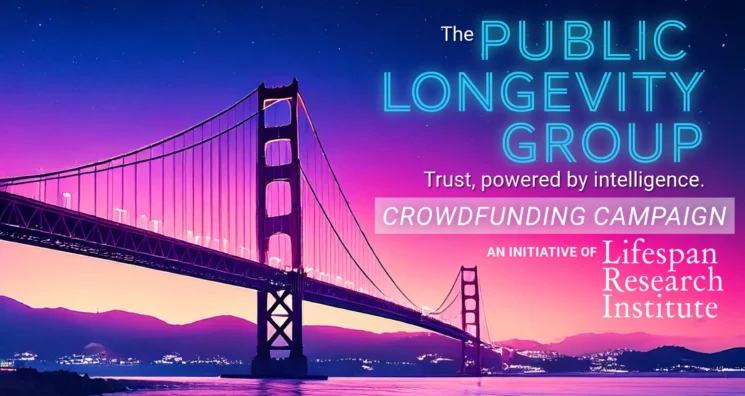
Building the first public sentiment analysis engine to unlock public trust in longevity.

The first large-scale placebo-controlled clinical trial to determine the effects of Rapamycin on human longevity.

Creating a transgenic mouse demonstrating the rescue of Mitochondrial DNA mutations in mammals. We will express the mitochondrial ATP8 gene from the nucleus as...
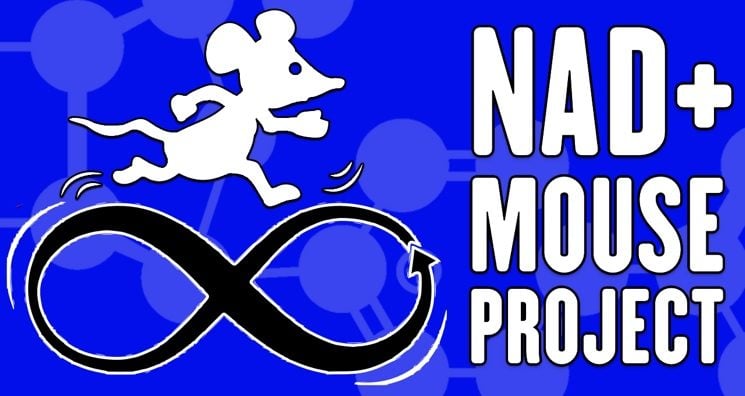
The first long-term lifespan study in mice involving supplementation with NMN, a precursor of NAD+ metabolism, which has been shown to reduce aging markers and...

Using AI and Computer Vision Techniques to Determine Age and Assess the Effect of Therapies Against Aging in Mice, Increasing the Pace of Research.

Developing a diagnostic system to measure human functional age in comparison to chronological age, and assist in the assessment of anti-aging therapeutics.

Designing better systems for detection and safe removal of dysfunctional “senescent” cells to improve health and treat age-related diseases.

High-throughput screening of a library of diverse drugs to find treatments for ‘ALT’ cancers, those which rely on Alternative Lengthening of Telomeres.

Testing a new class of compounds, Senolytics, on their ability to extend healthy lifespan by clearing out dysfunctional cells in the body.