
September 24, 2026
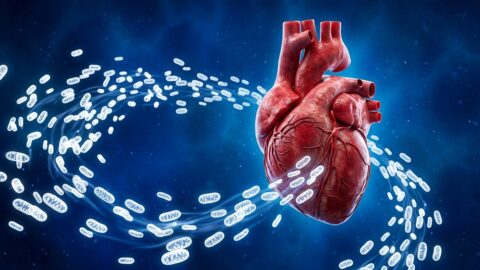
Researchers have discovered that BNIP3, which regulates mitochondrial maintenance, is increased with aging, harming the heart's ability to process energy. Mitochondrial transplantation was found to be effective against this increase in a mouse model. The heart needs energy Mitochondrial DysfunctionAs they age, the mitochondria in our cells lose their ability to provide cellular energy and...
September 17, 2026
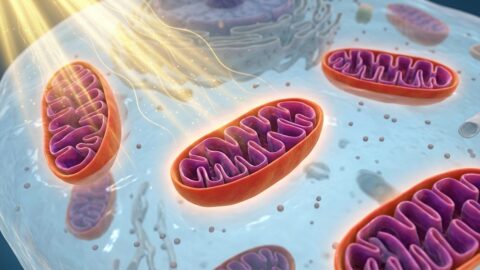
Researchers publishing in Aging Cell have found that a cocktail of molecules released by human umbilical cord mesenchymal stem cells (hUC-MSCs) can mitigate sun-induced skin aging (photoaging) in mice by restoring their cells' ability to get rid of their own damaged mitochondria (mitophagy). Wrinkles are only a small part of the problem Chronic exposure to...

April 16, 2026
In Aging Cell, researchers have described how suppressing the ghrelin receptor improves muscle function and fights sarcopenia in older mice. An appetite hormone with negative effects Ghrelin has been well-documented as stimulating both appetite and growth [1]. However, this hormone, which increases with aging [2], has negative effects in older organisms; deleting ghrelin has been...
March 27, 2026
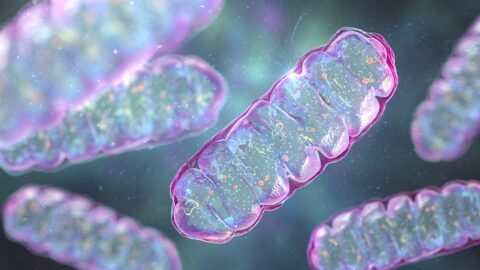
Scientists used red blood cells as membrane donors to encapsulate healthy mitochondria and send them into diseased cells, achieving improvements across multiple models and conditions [1]. The delivery problem Mitochondrial diseases are a diverse group of disorders that arise when mitochondria malfunction. They are often caused by mutations in mitochondrial DNA (mtDNA) itself or in...
March 09, 2026
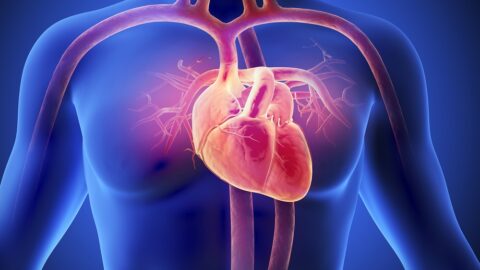
The European Heart Journal has published a review of what happens to the human heart as it ages, noting the cellular effects of mitochondrial dysfunction and cellular senescence along with more visible changes such as hypertrophy and fibrosis. A constantly working organ The reviewers begin this paper by noting the constant work of the heart,...
March 03, 2026
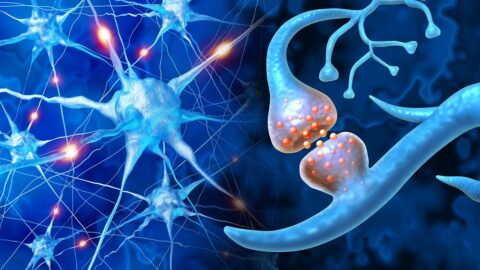
Scientists have discovered that ATP deficiency disrupts dopamine processing in synapses, leading to the accumulation of the harmful protein species that characterize Parkinson’s disease. ATP supplementation helps, but the road to the clinic might be long [1]. Parkinson’s and dopamine Parkinson's disease is defined by two hallmarks: the death of dopamine-producing neurons in a midbrain...