
October 08, 2026
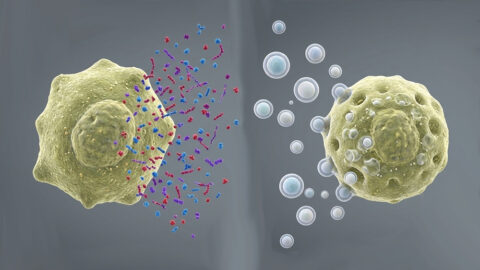
In Aging, researchers have described the differences between the secretions of cells driven senescent through a cancer gene and cells that stopped proliferating due to p16 expression. A difference of kind Cellular SenescenceAs your body ages, more of your cells become senescent. Senescent cells do not divide or support the tissues of which they are...

October 06, 2026
A new study links an age-related decline in cellular maintenance to impaired immune clearance. Activating the pathway reduced signs of senescence in aged mice [1]. Senescence and autophagy Cellular senescence, which occurs when cells stop dividing and start emitting largely pro-inflammatory stress signals, the senescence-associated secretory phenotype (SASP), is a double-edged sword. On the one...
September 28, 2026
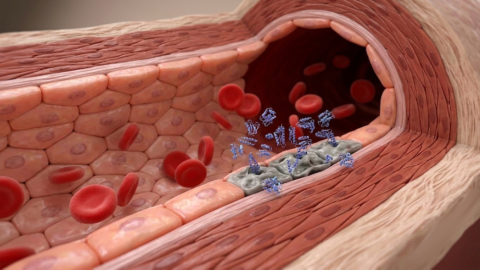
Researchers have created a deep learning-based biomarker, SASP Score, that evaluates the combined effects of the senescence-associated secretory phenotype (SASP) circulating in the bloodstream. Measuring an overall burden Cellular SenescenceAs your body ages, more of your cells become senescent. Senescent cells do not divide or support the tissues of which they are part; instead, they...

September 15, 2026
Researchers have established how a protein that is nearly absent in the literature, PTCHD4, is linked to cellular senescence. Very little previous work In most papers, after a customary discussion of the mechanics of cellular senescence and current methods of handling it and its repercussions, the researchers go on to discuss previous work relating to...

August 27, 2026
A recent study has examined whether senescence might allow cancer cells to survive oncogene withdrawal and become even more dangerous [1]. Some blocking techniques are temporary Many cancers depend heavily on a particular oncogenic signal to maintain their growth. Drugs that block these drivers can, therefore, produce dramatic tumor shrinkage. A major clinical problem, however,...

August 20, 2026
Using cohort studies and a mouse model, researchers have found that the circulating factor ANGPTL8, which is produced by senescent fat cells, is related to age-related diseases and mortality in mice and people. Too much of a regulator leads to dysregulation Chronic InflammationChronic inflammation refers to a persistent, low-grade buzz of immune activity that settles...