Public engagement is key to building momentum for longevity science, and you can make a real difference. Our nonprofit team works hard to bring you the latest news in the field, based on a clear code of journalistic ethics. Please consider making a donation to support our work. Thank You.
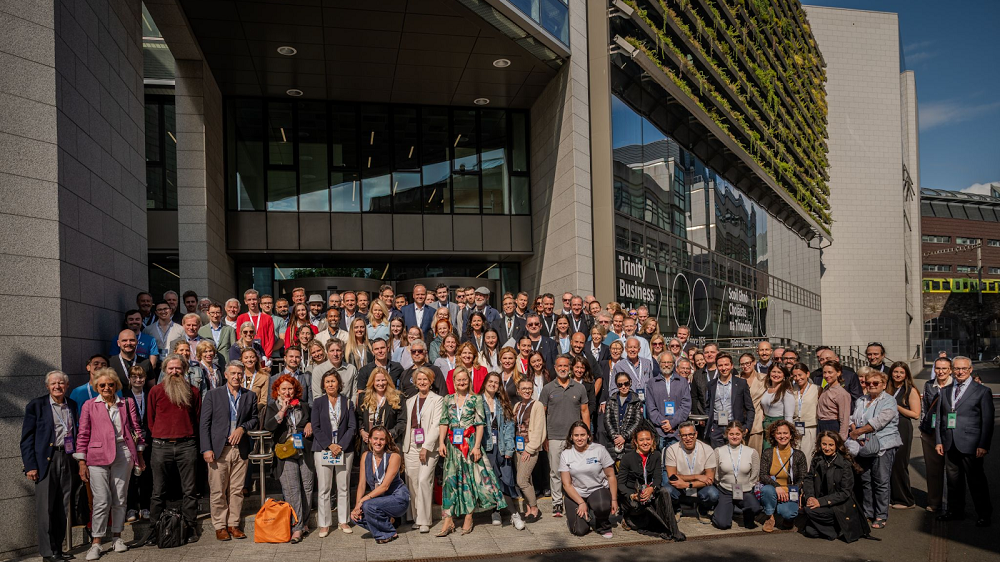
One of the oldest and biggest longevity conferences moved this year across the Atlantic, from Copenhagen to Boston. The new location brought ARDD close to several important longevity hubs and
Life Biosciences (“Life Bio”), a biotechnology company pioneering cellular rejuvenation medicines to reverse diseases of aging, announced interim data from its Phase 1 clinical trial of ER-100 in three participants
Researchers are developing biomedical repair therapies to address multiple age-related diseases at once, yet they are forced to put them through regulatory pathways built for single-disease drugs. The result is
Laura Minquini is not a scientist, but that hasn’t stopped her from joining the front lines of the war on aging: specifically, female reproductive aging. Several years ago, after a
A team of researchers has written a paper with a surprising finding: that many of the benefits of caloric restriction and increased NAD+ may be due to their effects on
A new study suggests that CT scans can provide information about a wide range of conditions, including some not typically diagnosed through imaging. Direct comparison with human radiologists is the
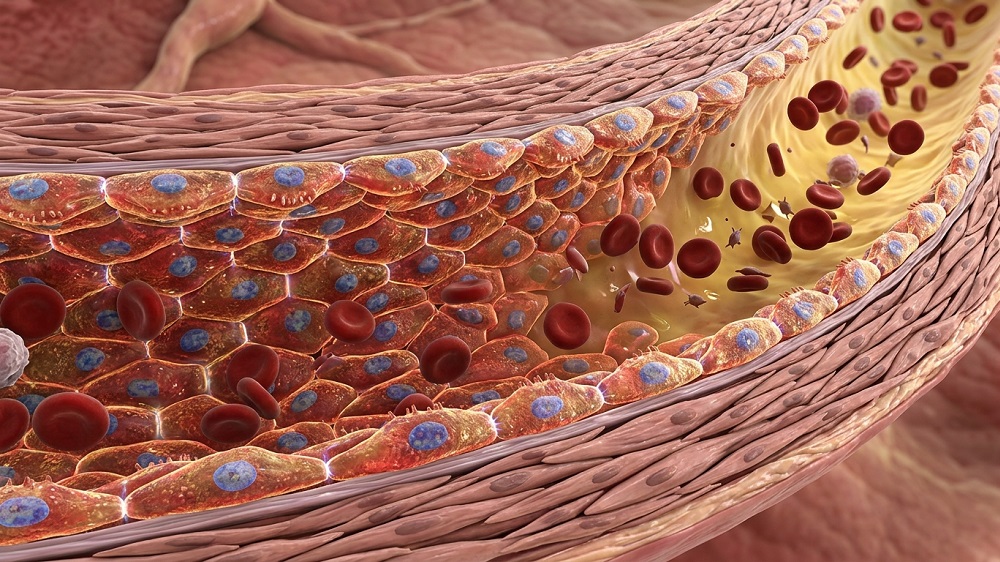
Researchers publishing in Aging Cell have found that the regulatory protein MTR4 fights DNA damage in the blood vessel lining but decreases with aging. Vulnerable by nature This paper begins
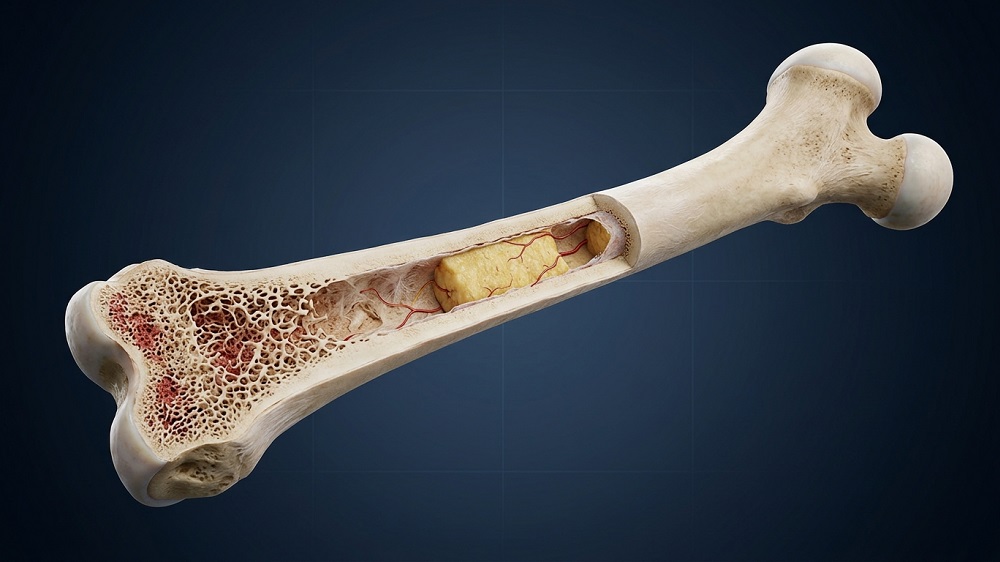
A new study links STING-mediated signals from marrow fat cells to inflammation and declining NAD⁺ levels in bone-forming cells. Interrupting this pathway helped preserve aging bone [1]. Making old bones
Reviewers publishing in Biology have elucidated SIRT1 functional reserve as an aspect of aging, describing how its depletion is an upstream cause of age-related disorders at the cellular level and
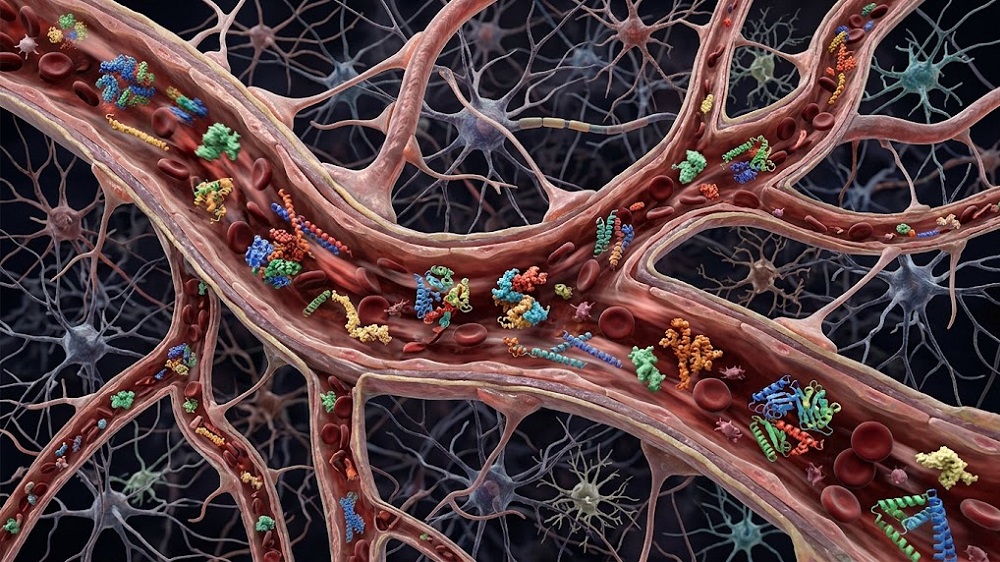
A recent analysis of serum protein changes identified 16 proteins related to inflammatory, synaptic, metabolic, and Alzheimer’s disease processes whose levels change during the menopausal transition [1]. These changes were
A human trial found that even without caloric restriction, a low-fat, plant-based diet improved blood sugar control, reduced liver fat, and lowered the quantity of advanced glycation end products (AGEs)
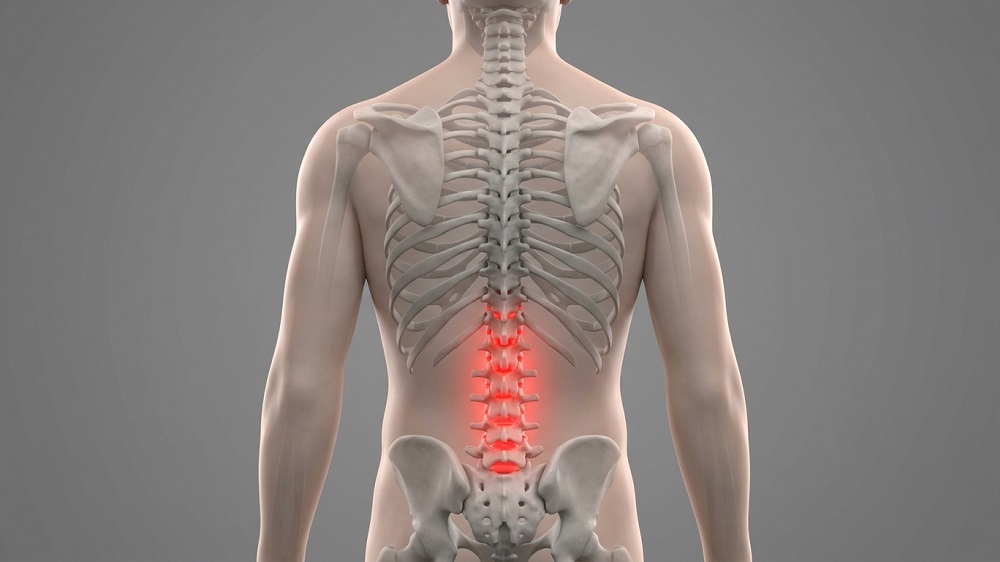
In Aging Cell, a team of researchers has described how a little-known gene, ZNF865, has a significant influence on back pain through the regulation of cellular senescence. Lower back pain
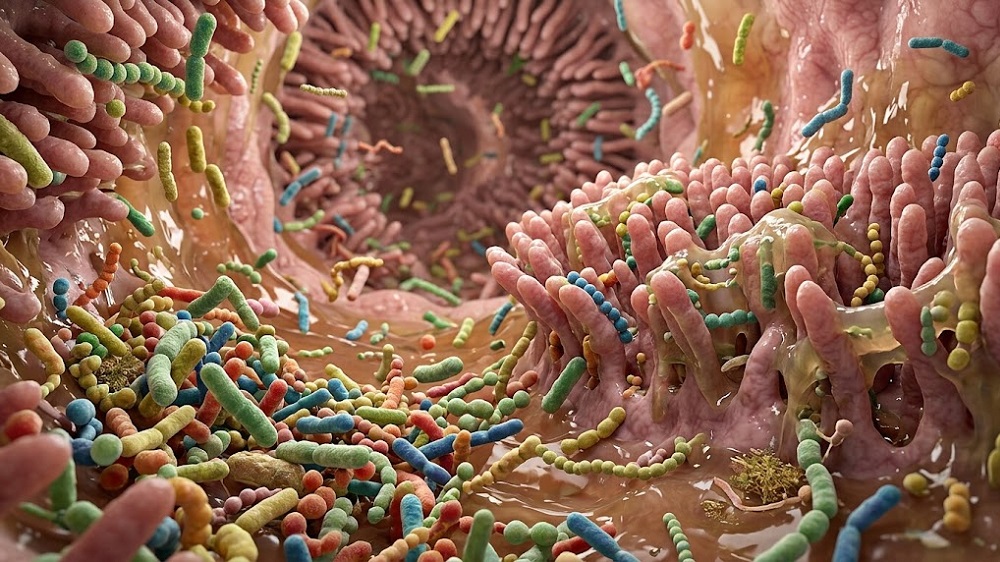
A new study highlights a fatty acid produced by a particular genus of bacteria as a “natural statin,” suggesting a new way of treating atherosclerosis [1]. Bacteria and cholesterol Atherosclerosis
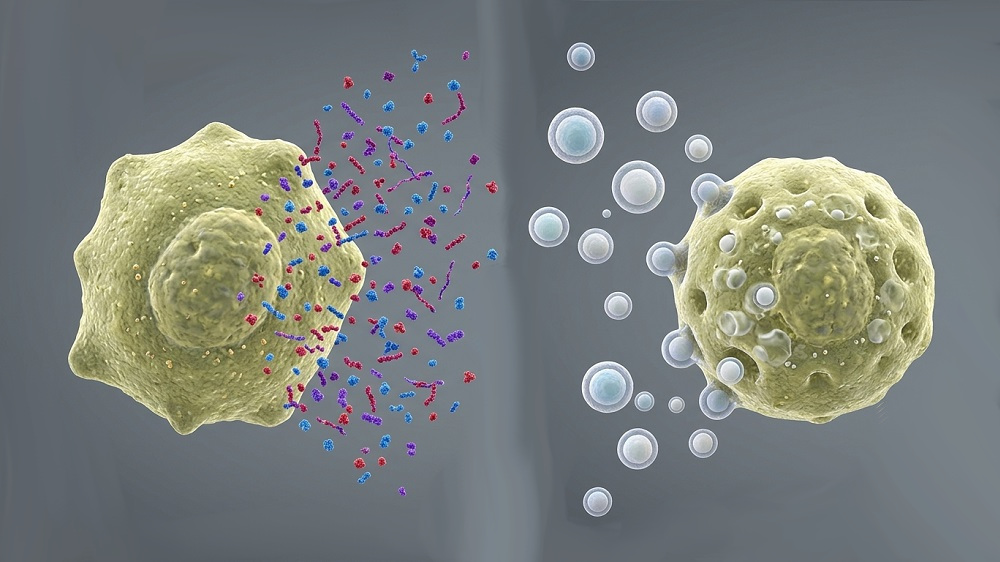
In Aging, researchers have described the differences between the secretions of cells driven senescent through a cancer gene and cells that stopped proliferating due to p16 expression. A difference of
With more than 860 evidence reviews on health and longevity interventions, Evipedia is now probably one of the deepest online sources in this area. We have always been extremely open