Impact of Off-Label Low-Dose Rapamycin on Healthy Adults
- Clinical studies are often limited to small numbers of participants and short durations.

- Rapamycin has been found in some clinical trials to reduce inflammation at low doses.
- Other clinical trials, including ones involving handgrip strength and walking speed, were less conclusive.
- Many of these studies were found not to be sufficiently powered to yield statistically significant results.
- Rapamycin continues to be studied in humans, including on brain function.
A team of scientists has reviewed the clinical data regarding low-dose rapamycin therapy in healthy adults. They concluded that, while there is plenty of preclinical data regarding the impact of rapamycin, there is no sufficient evidence that low-dose rapamycin use can extend healthspan and lifespan in healthy humans [1].
An old friend
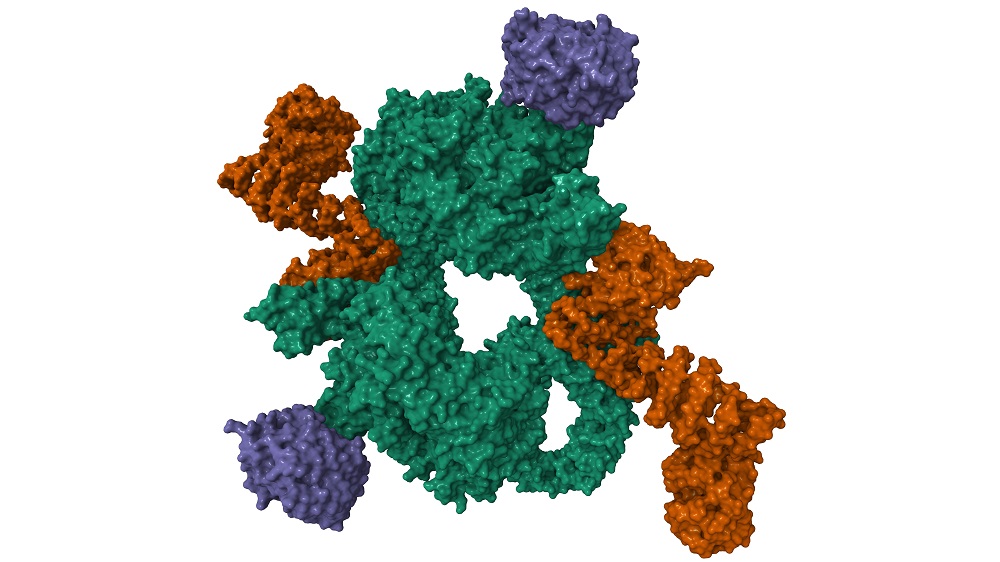
Rapamycin is a well-known compound in the longevity field. It has anti-fungal, anti-tumorigenic, and immunomodulatory properties. Its name is included in the mechanistic target of rapamycin (mTOR), which is a regulator of cell growth, autophagy, and division, and plays a role in age-related diseases. The results of preclinical studies, including data from the Interventions Testing Program (ITP), suggest that rapamycin can be used to delay age-related diseases and extend mean and maximal lifespan in model systems.
Some people, encouraged by such preclinical data, use rapamycin off-label to achieve the same benefits; however, it is unclear if this promising data translates to humans. The authors of this paper reviewed the current evidence for using low-dose rapamycin and rapalog therapies in healthy human adults. They note that such evidence is minimal, with only a handful of trials that assessed different biomarkers.
They list several reasons why there is such a scarcity of data. First, human longevity studies are challenging and require a long time and resources. Second, since rapamycin is a generic drug, there is no financial incentive for private companies to invest in studying its different applications. Nevertheless, a few studies have been performed, and the authors discuss their results.
The dose makes a difference
The first study the reviewers discussed was conducted in 2014, and it investigated markers of immune function in 218 older adults. Those researchers used everolimus (RAD001) therapy, an mTOR complex 1 (mTORC1) rapalog, which was followed by an influenza vaccination [2]. The everolimus treatment, rather than suppressing the immune system, resulted in a stronger and more youthful response of the immune system, with some side effects such as benign mouth ulcers.
The same group conducted a phase 2 trial of 264 healthy adults [3] using everolimus combined with an ATP-competitive kinase inhibitor, which displays secondary mTOR inhibition effects (RTB101), claiming that it reduced respiratory tract infections.
Further clinical trials at phases 2b and 3 demonstrated that 10 mg/day of RTB101 reduced respiratory tract infections compared to controls without significant side effects. This positive effect was not observed for different doses of RTB101 or the 10mg/day RTB101 + everolimus combination [4]. Further analysis also showed improved immune functions.
The authors note that there is probably a threshold at which low mTOR inhibition obtained with low doses of inhibitors is beneficial to immune system function. However, higher levels of mTOR inhibition lead to immunosuppression.
They also note some caveats and limitations of these studies, such as an increase in respiratory tract infections in smokers and the fact that not all results were replicable between phases 2b and 3; there were some complications with endpoint alterations, which could limit the statistical power to observe differences. Taking into account the obtained results and limitations, they summarize that the evidence “is compelling but not convincing at present.“
Not a clear answer
A study from a different group reported on people who use rapamycin for longevity purposes. They observed that they had decreased incidences of COVID infection and long COVID. Those people also self-report improved well-being and physical stamina along with improvements in abdominal cramps, depression, abdominal pain, muscle tightness, anxiety, and eye pain, without any side effects, compared to non-users; however, caution should be taken as this cohort might have experienced a placebo effect, since this was not a blinded study. Also, this study doesn’t show effects on lifespan [5].
Another 2020 study investigated 15-day everolimus use in 22 healthy young men, who experienced reduced levels of two interleukins, IL-2 and IL-10, one of which is an anti-inflammatory cytokine associated with increased longevity. Additionally, lower and medium doses of everolimus led to an increase in self-reported anxiety and increased noradrenaline [6].
A study of 25 healthy older adults (aged 70-95 years) who continuously used 1 mg/day sirolimus for 8 weeks didn’t show significant improvements in various metabolic parameters but showed some changes in hematologic parameters, which didn’t provide clear answers. The rapamycin-treated group had reduced body weight, but no change in handgrip strength was observed, and walking speed did not slow down in the rapamycin-treated group, while it slowed in the control group [7]. While there may have been small changes, measurements of inflammatory and immune system markers were not significantly different between groups due to the small number of trial participants. Overall, the study’s authors concluded that “rapamycin therapy did not demonstrate any significant adverse outcome in the short term, nor was a signal of clear benefit identified.“
The review authors used the data from this study and entered it into a biological clock, PhenoAge. When comparing the change from baseline to the end of the study, they observed 78.32 years and 78.47 years, respectively, for the placebo group (+0.15 years). For the rapamycin-treated group, the baseline and end-of-study PhenoAge were 81.34 years and 77.38 years (-3.96 years), suggesting a reduced biological age. However, this should be interpreted cautiously as not all necessary biomarkers were available, and the sample was small.
Theoretical studies that used Mendelian randomization suggest that mTOR inhibition can help to achieve longevity, and mTOR therapy is associated with a lower incidence of Parkinson’s and Alzheimer’s diseases. Still, such associations were not identified for many other age-related diseases [8-10].
Many unanswered questions
When the researchers evaluated the impact of rapamycin on cardiovascular health, they noted that while numerous studies in animal models and cell cultures suggest varying outcomes “across vascular territories and cardiac function,” human data is scarce and limited to biomarkers. Similarly, no data investigated the impact of low-dose rapamycin in healthy, non-immunocompromised people regarding cancer incidence. Additionally, investigations into rapamycin’s effect on muscle protein synthesis did not give clear answers.
No trials have been completed on cognitive functions. However, two Phase 2 ongoing trials will evaluate structural changes in the brain, cerebral glucose metabolism, and various markers of Alzheimer’s disease burden.
The authors of this review summarize that “Despite extensive preclinical evidence supporting sirolimus and other mTOR inhibitors as potential gero-therapeutics, human data have yet to demonstrate that rapamycin can extend mean or maximal lifespan or delay the onset of age-related diseases” and call for large clinical trials to answer those questions. They list three main issues that they believe should be addressed by future research. Efficacy and clinical endpoints in healthy adults should be developed, therapeutic dose-response curves should be developed, and interactions with other gerotherapeutics should be investigated.
Literature
[1] Hands, J. M., Lustgarten, M. S., Frame, L. A., & Rosen, B. (2025). What is the clinical evidence to support off-label rapamycin therapy in healthy adults?. Aging, 17(8), 2079–2088.
[2] Mannick, J. B., Del Giudice, G., Lattanzi, M., Valiante, N. M., Praestgaard, J., Huang, B., Lonetto, M. A., Maecker, H. T., Kovarik, J., Carson, S., Glass, D. J., & Klickstein, L. B. (2014). mTOR inhibition improves immune function in the elderly. Science translational medicine, 6(268), 268ra179.
[3] Mannick, J. B., Morris, M., Hockey, H. P., Roma, G., Beibel, M., Kulmatycki, K., Watkins, M., Shavlakadze, T., Zhou, W., Quinn, D., Glass, D. J., & Klickstein, L. B. (2018). TORC1 inhibition enhances immune function and reduces infections in the elderly. Science translational medicine, 10(449), eaaq1564.
[4] Mannick, J. B., Teo, G., Bernardo, P., Quinn, D., Russell, K., Klickstein, L., Marshall, W., & Shergill, S. (2021). Targeting the biology of ageing with mTOR inhibitors to improve immune function in older adults: phase 2b and phase 3 randomised trials. The lancet. Healthy longevity, 2(5), e250–e262.
[5] Kaeberlein, T. L., Green, A. S., Haddad, G., Hudson, J., Isman, A., Nyquist, A., Rosen, B. S., Suh, Y., Zalzala, S., Zhang, X., Blagosklonny, M. V., An, J. Y., & Kaeberlein, M. (2023). Evaluation of off-label rapamycin use to promote healthspan in 333 adults. GeroScience, 45(5), 2757–2768.
[6] Hörbelt, T., Kahl, A. L., Kolbe, F., Hetze, S., Wilde, B., Witzke, O., & Schedlowski, M. (2020). Dose-Dependent Acute Effects of Everolimus Administration on Immunological, Neuroendocrine and Psychological Parameters in Healthy Men. Clinical and translational science, 13(6), 1251–1259.
[7] Kraig, E., Linehan, L. A., Liang, H., Romo, T. Q., Liu, Q., Wu, Y., Benavides, A. D., Curiel, T. J., Javors, M. A., Musi, N., Chiodo, L., Koek, W., Gelfond, J. A. L., & Kellogg, D. L., Jr (2018). A randomized control trial to establish the feasibility and safety of rapamycin treatment in an older human cohort: Immunological, physical performance, and cognitive effects. Experimental gerontology, 105, 53–69.
[8] Sobczyk, M.K., Gaunt, T.R. (2023) Evaluating the life-extending potential and safety profile of rapamycin: a Mendelian Randomization study of the mTOR pathway. medRxiv.10.02.23296427.
[9] Cai, H. Y., Hou, S. J., Wen, R., Feng, Q. F., Xi, Y. J., Zhang, S. X., Qiao, J., & Wu, M. N. (2023). Causal Association Between mTOR-Dependent Protein Levels and Alzheimer’s Disease: A Mendelian Randomization Study. Journal of Alzheimer’s disease : JAD, 94(4), 1477–1485.
[10] Tan, C., Ai, J., & Zhu, Y. (2023). mTORC1-Dependent Protein and Parkinson’s Disease: A Mendelian Randomization Study. Brain sciences, 13(4), 536.
About the author

Anna Drangowska-Way